
Autumn migration may be winding down now, but there are still rare birds out there to be found. The east coast had surprises in store, with mega-rare thrushes from opposite compass points pitching down. Meanwhile, there was a welcome flurry of Nearctic gulls and terns in the South-West.
Atlantic arrivals
A strong jet stream produced and associated westerlies did the business, with Cornwall logging two Franklin's Gulls: a first-winter tracked along the Penwith coast between St Ives and Sennen during the morning and a first-winter found at Par Pool that afternoon, with the local consensus treating the pair as different individuals. The arrival of multiple birds brings back memories of the famous arrival of Laughing and Franklin's Gulls in November 2005, when two Franklin's were found in Cornwall, alongside birds in Shetland, Co Galway and Co Wexford.
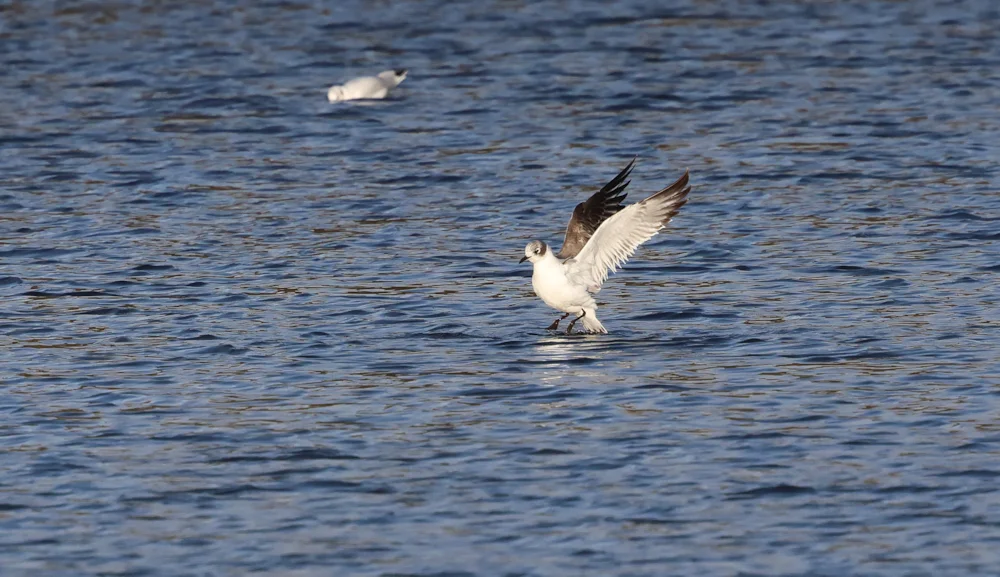
Franklin's Gull, Par Sands, Cornwall (Bob Bosisto).
Birders at Penzance would do one better the next morning by finding a Forster's Tern hawking along the seafront. Notably, it was identified as a first-winter, confirming it as different to the regular adult last seen in Brittany, France, on 8 November. The next surprise came from Hampshire on Friday, where a second Forster's was sensationally located in Langstone Harbour while the Cornwall bird was still present. The species has never previously appeared in Hampshire.
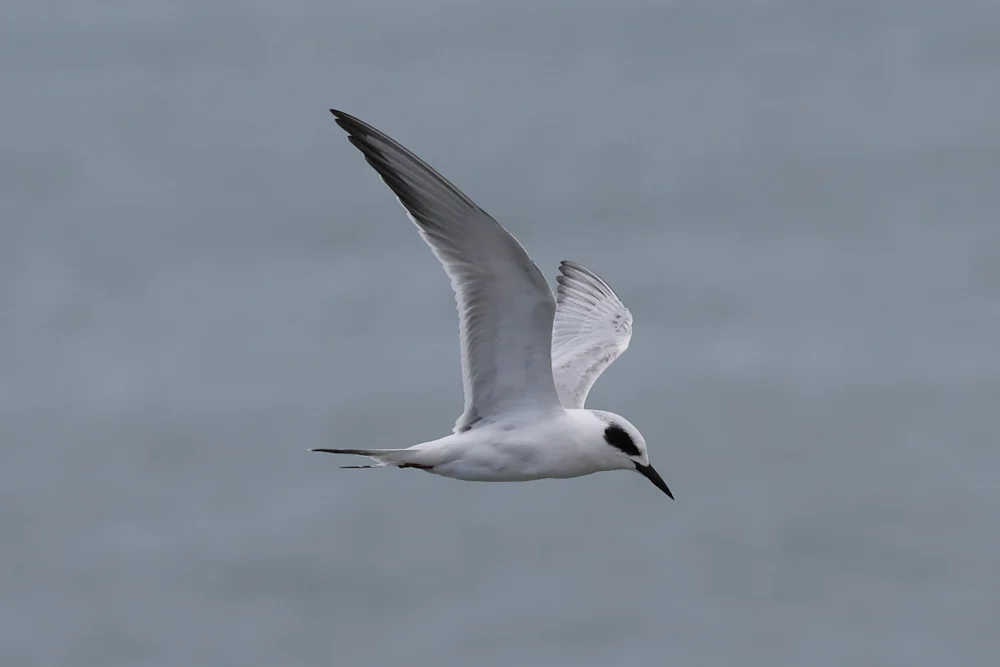
Forster's Tern, Penzance, Cornwall (Adrian Lea).
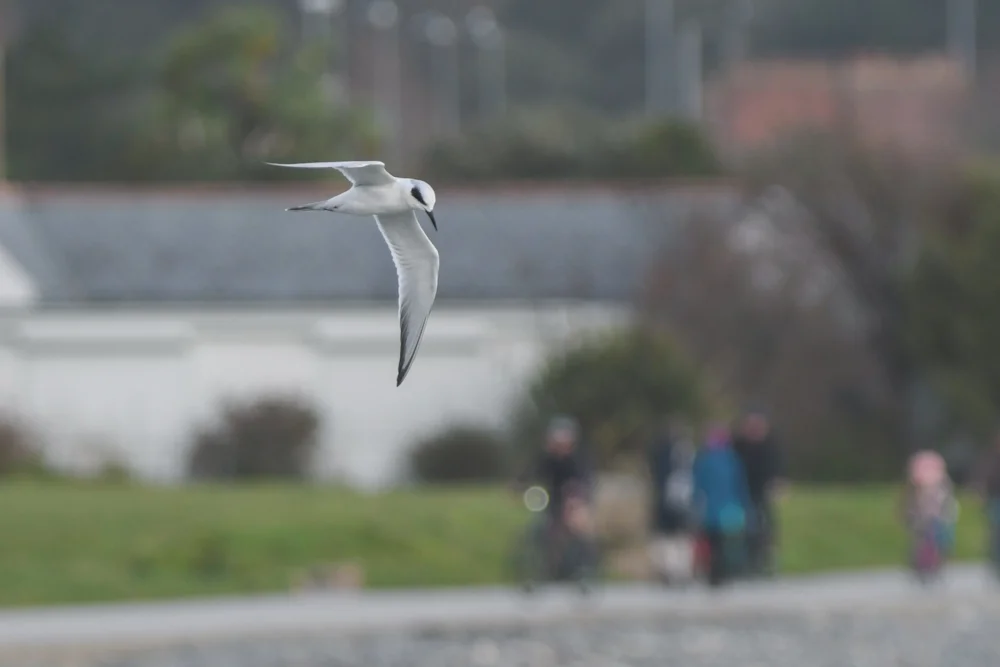
Forster's Tern, Newlyn, Cornwall (Deena Sharp).
Rosscarbery, Co Cork, also fared well with three Ring-billed Gulls (two second-winters and a first-winter) and a first-winter Bonaparte's Gull. The second-winter Franklin's Gull in Hampshire remained throughout.
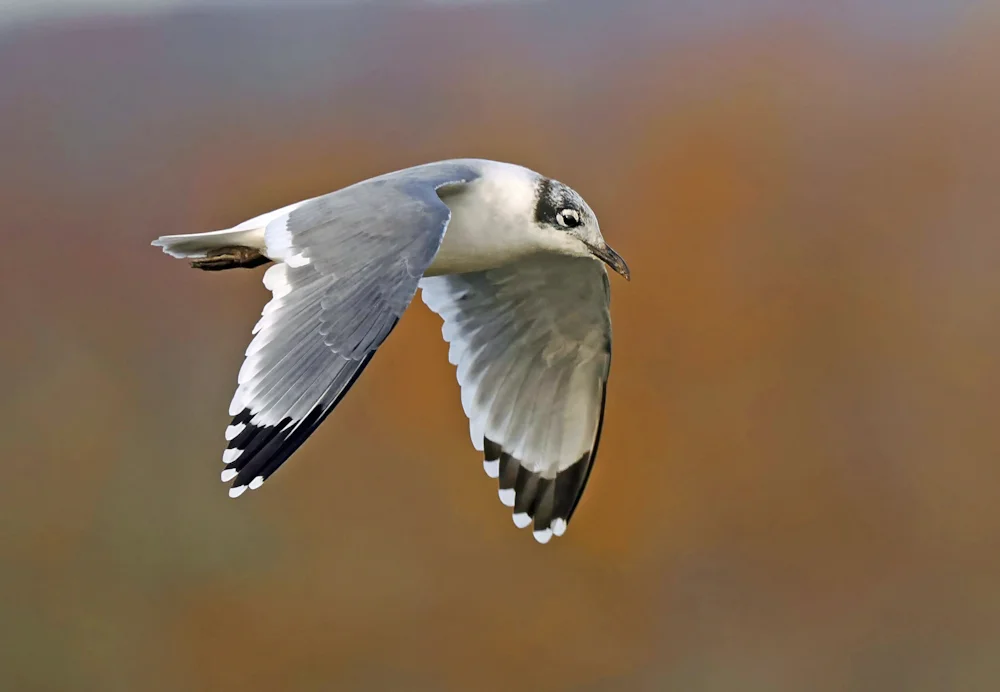
Franklin's Gull, Winchester, Hampshire (Mark Joy).
Rare thrushes from east and west
There has been an agonising run of county firsts for Norfolk listers in recent times, with three out of the last four new county-list additions not available to the masses. Two-day-old news of a first-winter Eyebrowed Thrush along Lady Anne's Drive at Holkham, Norfolk, shared late on 17th (after the finder had initially identified it as an aberrant Redwing) looked set to extend the frustrating run. However, a sterling effort by Steve Gantlett relocated the bird in nearly the same spot after several hours of searching the next day. Happily, it remained in place and allowed scores of nearby birders to connect before nightfall – though twitchers from further afield would have a much more painful time dipping the next day.
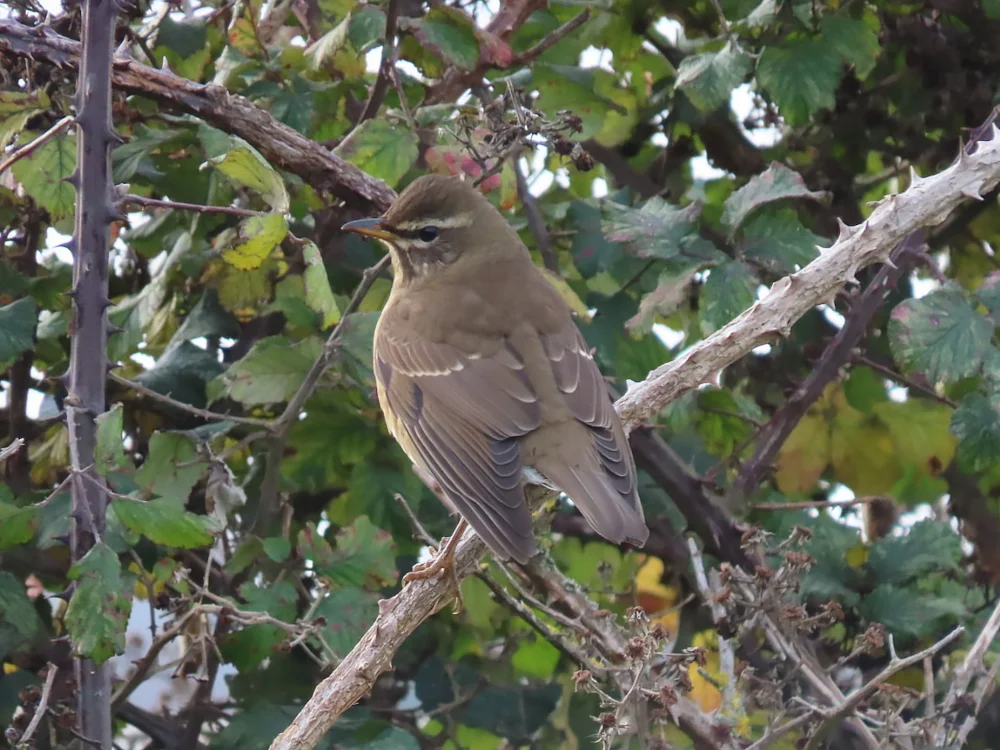
Eyebrowed Thrush, Holkham Pines, Norfolk (Dean Cornish).
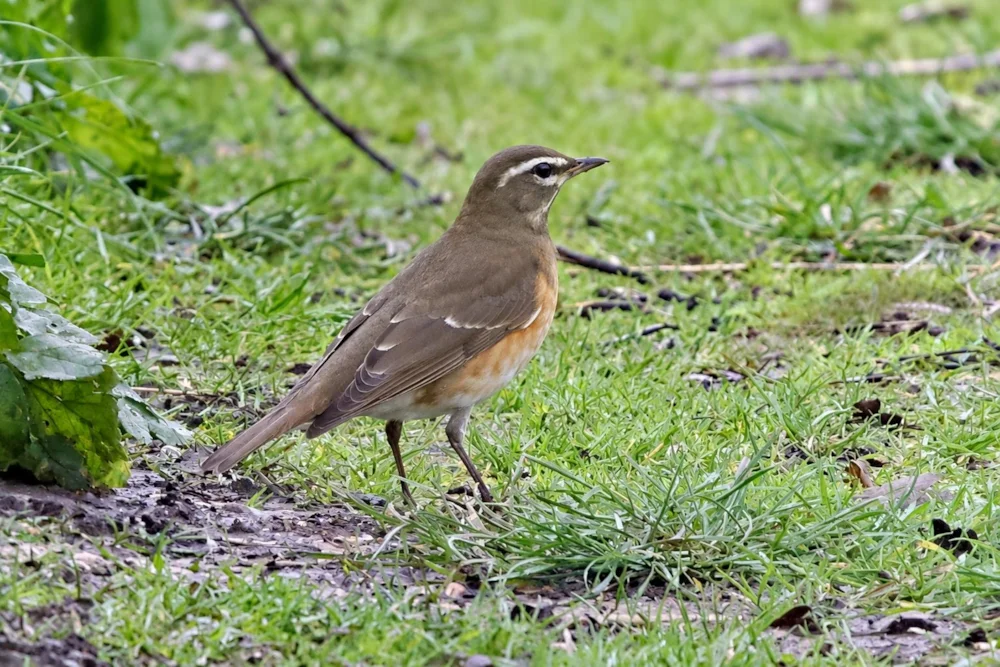
Eyebrowed Thrush, Holkham, Norfolk (Susan Bryan).
Eyebrowed Thrush can look surprisingly similar to American Robin at times, so the mega-alerting of the latter species at Alnwick, Northumberland, on 22nd would have raised question marks for some. However, the identification was correct: the east coast had been treated to both of these similar-looking but distant relatives in the very same week! The robin was only seen by the three joyous finders before nightfall. Unsurprisingly, it represents the first county record and is only the second sighting of the species along the North Sea coast following the famous bird at Grimsby, Lincolnshire, in early 2004.
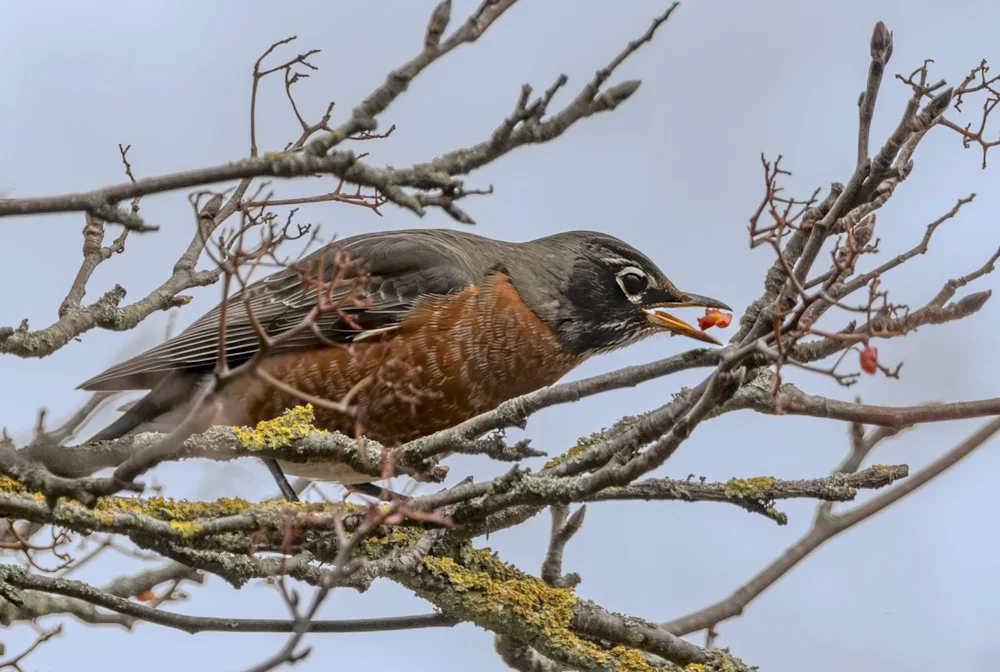
American Robin, Alnwick, Northumberland (Tim Tapley).
Dung-heap delight
Devon birders were delighted with a sprightly American Pipit favouring a dung heap near Exmouth, Devon, from 20th. It is the county's second after one at East Prawle in 2022.
Gore Ln, Orcombe Pt, Exmouth, Devon this lunchtime. M Knott's #AmericanPipit around its favoured dung heaps. Just the 2nd record for the county. Having also seen the Prawle bird, I'm glad I travelled for great views today. Thanks Mike P and @exeterbirder. https://t.co/ICzVY98NFv
— Shiphay Birder (@ShiphayBirder) November 21, 2026
An elusive Phylloscopus warbler at Morfa Madryn NR, Caernarfon, from 17th was confirmed as a Hume's Leaf Warbler from sound recordings obtained the next day. A second new arrival at Flamborough Head, East Yorkshire, brought the 2026 total so far to 80, with a further 10 lingering elsewhere. Meanwhile, the influx of Desert Wheatears continued with a popular male at Eastbourne, East Sussex, and a female at Perranporth, Cornwall.
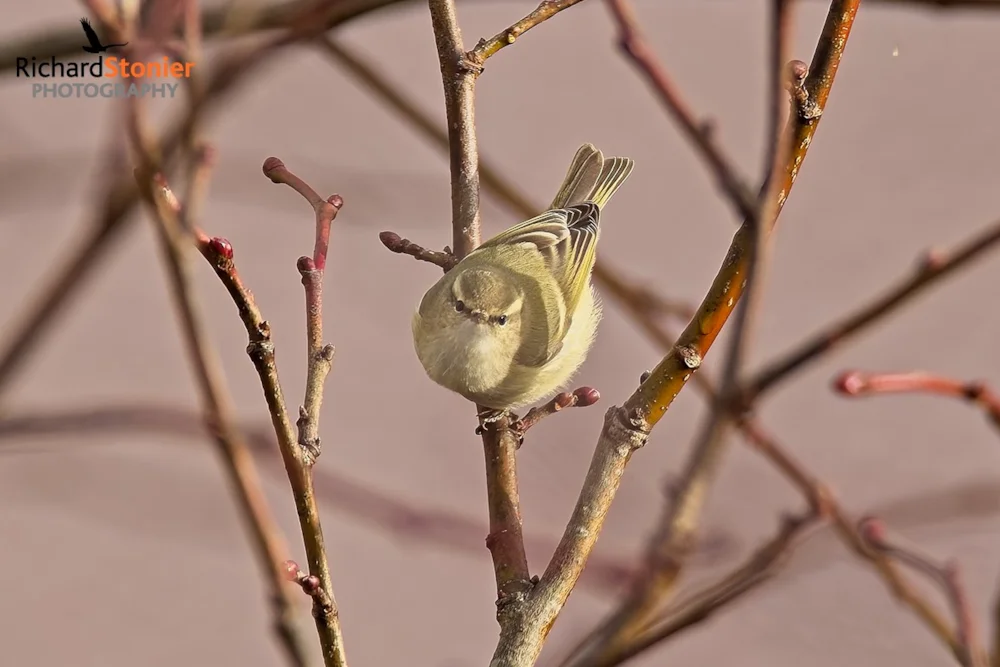
Hume's Leaf Warbler, St Mary's, Isles of Scilly (Richard Stonier).
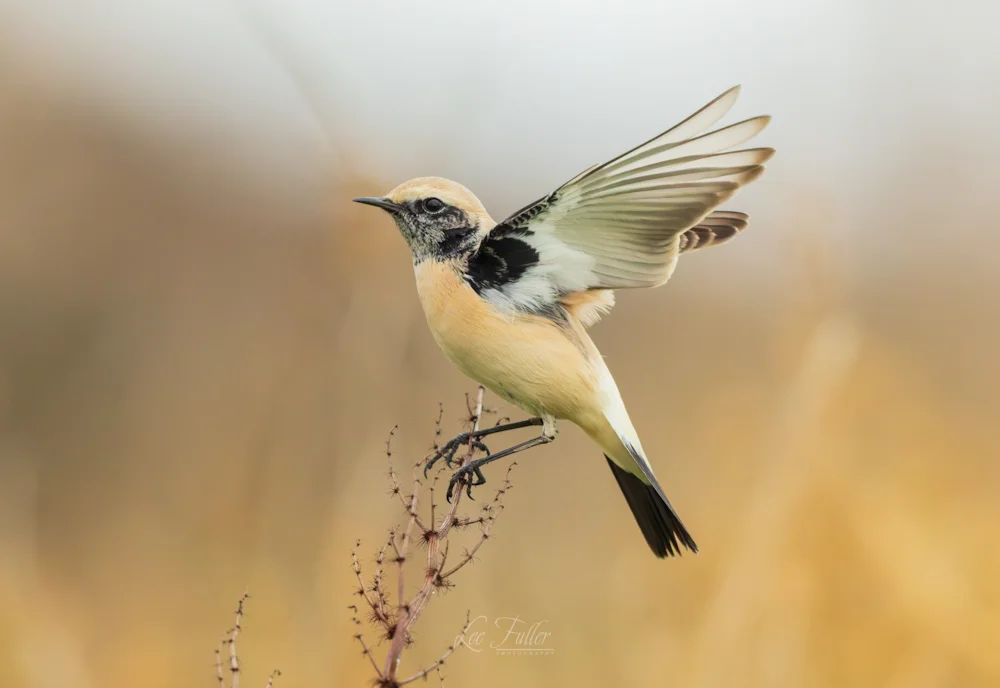
Desert Wheatear, Eastbourne, East Sussex (Lee Fuller).
New passerine discoveries included a Little Bunting at Galley Head, Co Cork, a Common Rosefinch in Dorset and Greater Short-toed Larks in Northumberland and Shetland, plus two each of Dusky Warbler and Wryneck, three apiece of Richard's Pipit and Hoopoe, and seven Coues's Arctic Redpolls. A run of new Great Grey Shrikes consisted of birds in Cambridgeshire, Derbyshire, Kent, Lancashire and Caernarfon. The Essex Olive-backed Pipit remained popular, though a clearout of migrants from Cape Clear, Co Cork, after 20th included the disappearance of Ireland's first Black-faced Bunting. Surprisingly, the Eurasian Crag Martin was reported back in Dundee on 20th.
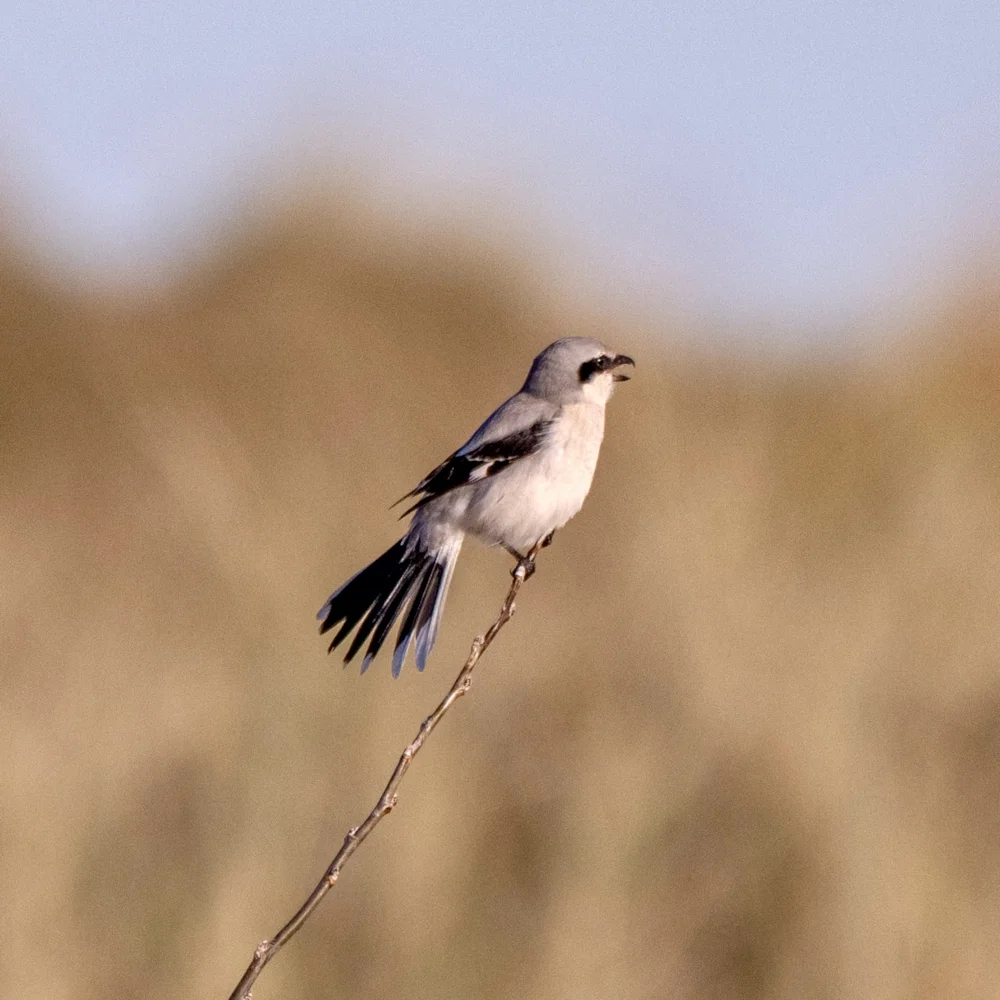
Great Grey Shrike, Ainsdale, Lancashire (Craig Smith).
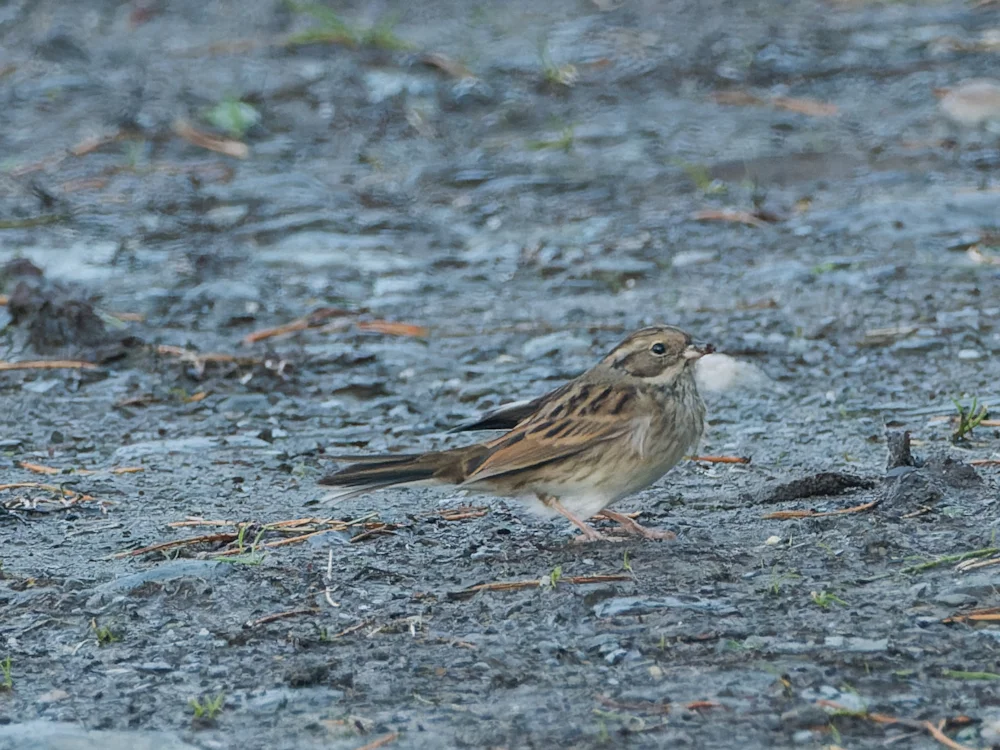
Black-faced Bunting, Cape Clear, Cork (Paul Keogh).
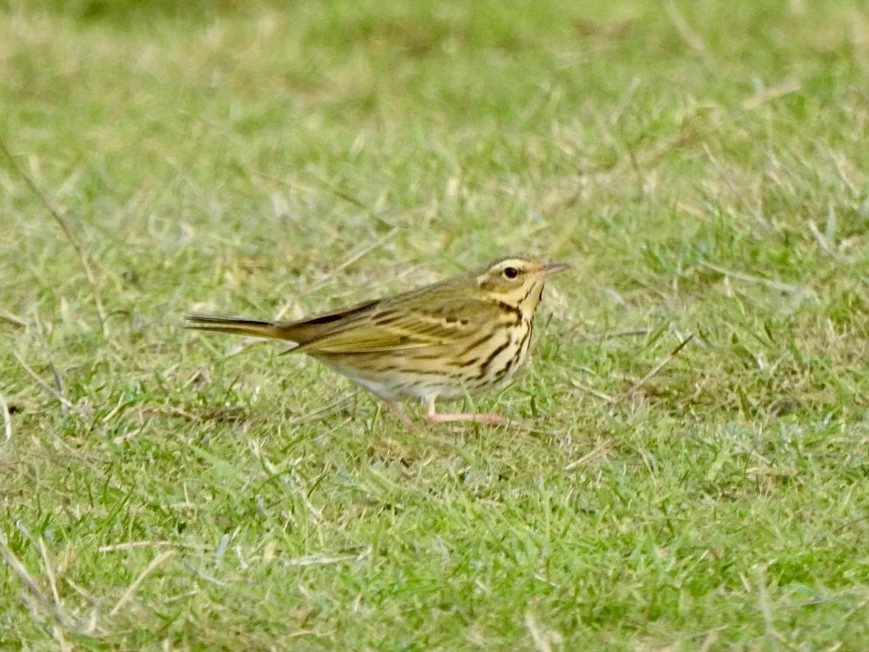
Olive-backed Pipit, Holland Haven CP, Essex (Olly Bournat).
Best of the rest
An interesting-looking harrier in the Isles of Scilly from 14-17th appears a strong candidate for a potential juvenile Hen × Northern Harrier hybrid. Pallid Harriers were found in Wiltshire and Co Clare. Rough-legged Buzzards were reported in Norfolk and Aberdeenshire, though there would be no sign of the West Sussex juvenile after Friday.
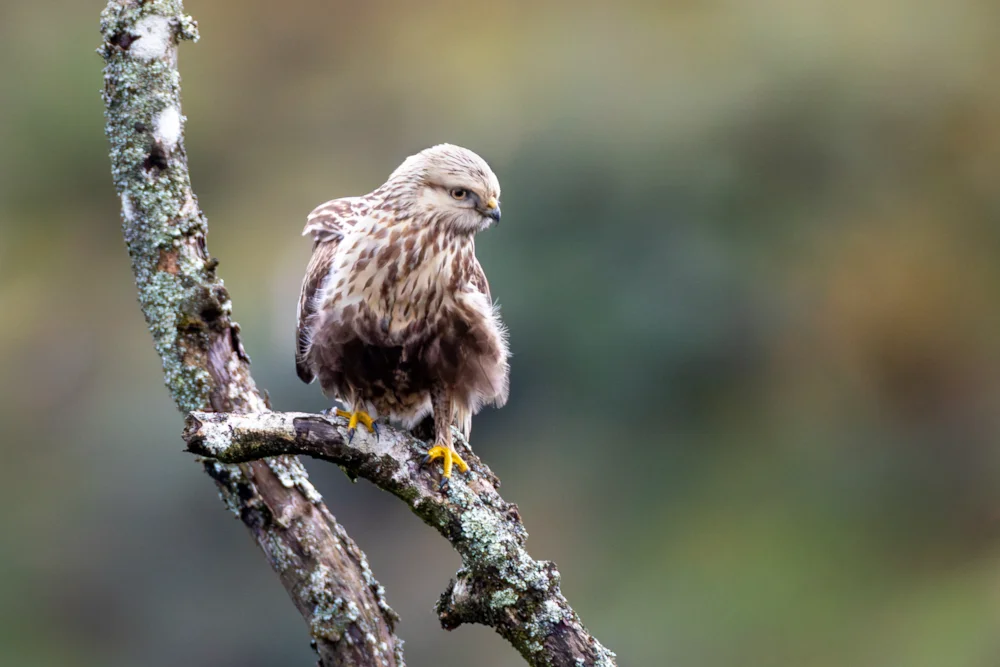
Rough-legged Buzzard, Bignor, West Sussex (Stuart Pevy).
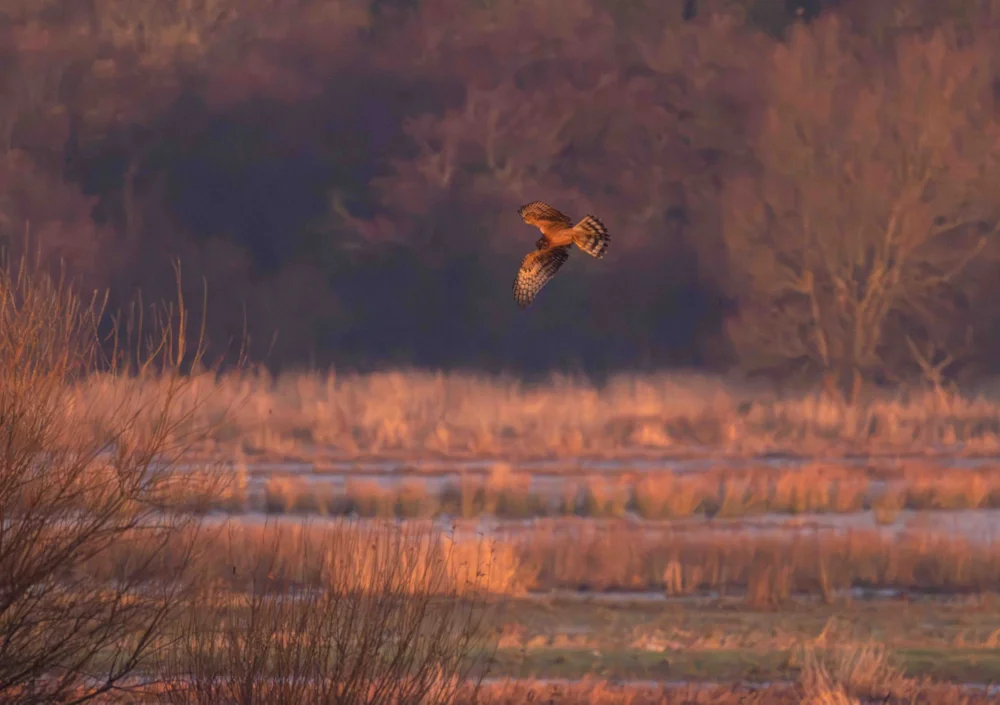
Northern Harrier, Inch Island Lake, Donegal (Ian Dickey).
Nottinghamshire birders were treated to the county's first Lesser Scaup since 2013 with a first-winter drake at Langford Lowfields RSPB from 20th. Another was found in Perth and Kinross. The discovery of a White-winged Scoter off the Fife coast meant at least two were present again in the Firth of Forth. Also new were four each of Surf Scoter and Green-winged Teal, five American Wigeon and 18 Ring-necked Duck. The Angus Hooded Merganser lingered for another week and King Eider were in Highland and Shetland.
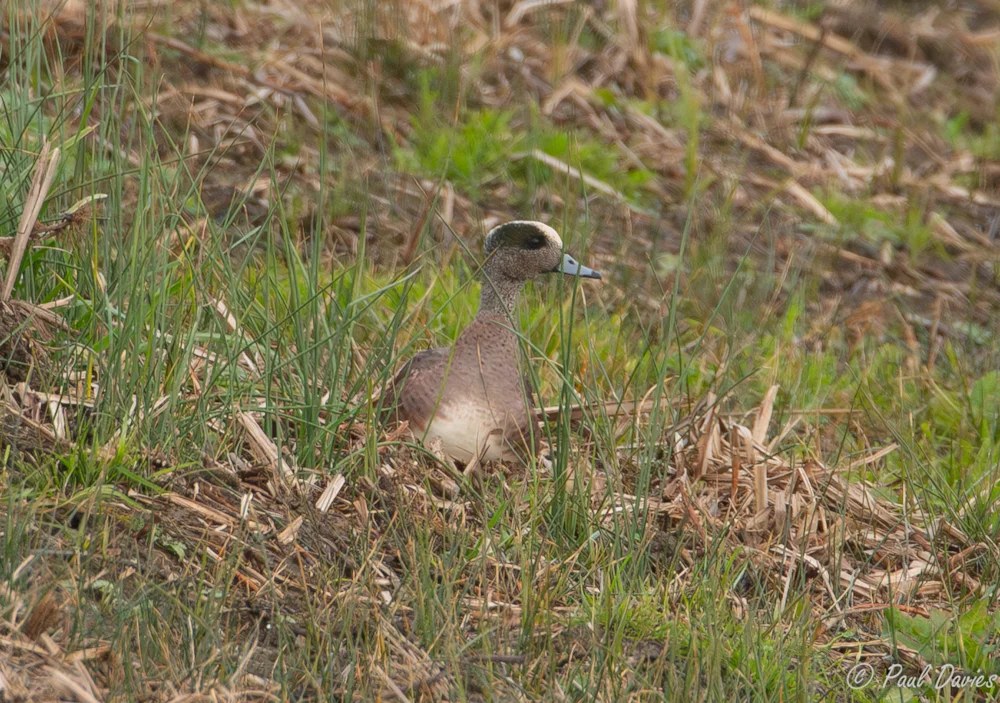
American Wigeon, Walmsley Sanctuary (CBWPS members' only), Cornwall (Paul Davies).
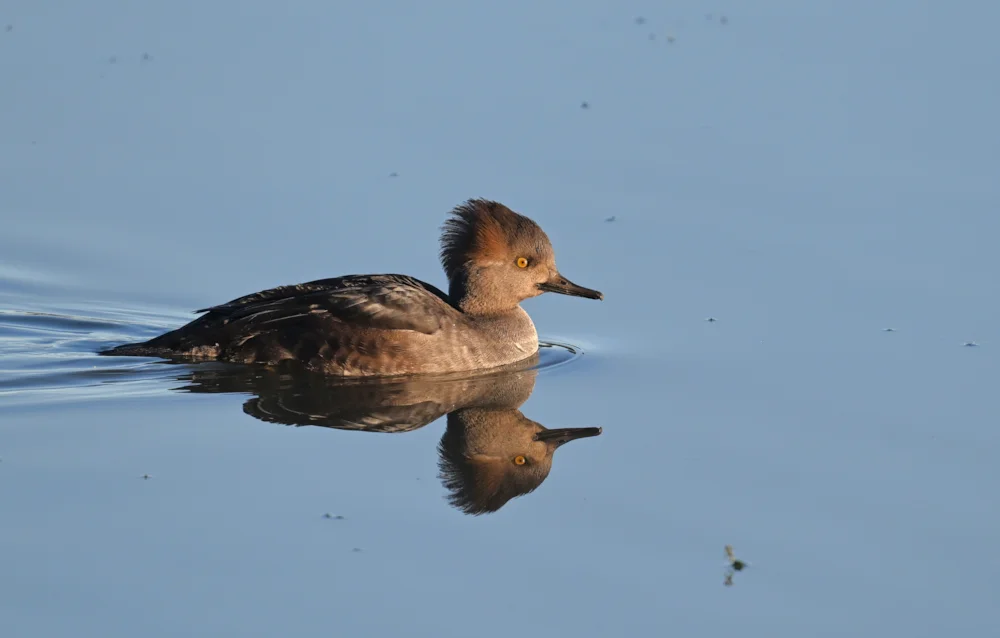
Hooded Merganser, Monikie CP, Angus & Dundee (Alex Shepherd).
The regular Pacific Diver returned to Mount's Bay, Cornwall, from 19th. With a second-winter seen in Gerrans Bay on 27-28 October, it appears that two birds may be set to winter in the county.
A juvenile Snow Goose found at Burt, Co Donegal, on 22nd appears to be the same bird seen on Barra, Outer Hebrides, and Islay, Argyll, earlier in the autumn. The Dumfries and Galloway Richardson's Cackling Goose relocated to Cumbria on 20th, with two Red-breasted Geese still in Ayrshire and four Black Brant in England.
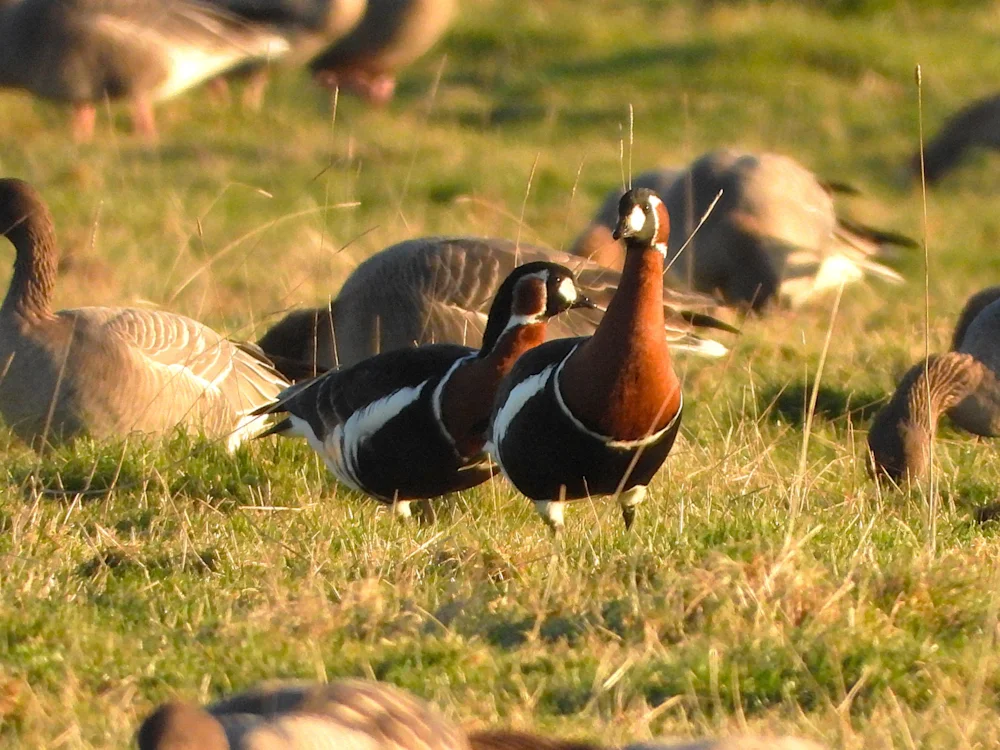
Red-breasted Geese (centre) with Pink-footed Geese, Loans, Ayrshire (John O'Neill).
Western Palearctic
Sweden's third-ever Pacific Diver flew past Simrishamn. Meanwhile, the country's fourth Asian Desert Warbler of the autumn was at Holmhällar, Gotland, on 14th, a Brown Shrike remained at Lund and an adult drake Stejneger's Scoter was off Halmstad.
In the Azores, a moribund Yellow-billed Cuckoo was on Pico and an adult Allen's Gallinule was trapped and ringed at Praia da Vitória, Terceira. The first Least Sandpiper for mainland Portugal was at Lezírias de Vila Franca de Xira. Interest in the Canary Islands peaked with a male Moussier's Redstart on Fuerteventura.
A strong start to the winter for Ivory Gulls in the North Atlantic saw three found in Iceland and another in the Faroes. A Great Bustard from the Salisbury Plain reintroduction scheme was located on Alderney, Channel Islands. Israel recorded its third Red-flanked Bluetail.

