
It was a somewhat sedate October by modern standards, with a dearth of easterly winds meaning totals of many expected eastern drift migrants were down on recent years. It felt like many species were 'queued up' waiting, however, and, as temperatures remained higher than average into November, a spell of south-easterly winds produced a pleasing arrival of several eastern passerine species. Meanwhile, strong westerlies at the start of the week produced a few surprises from out in the Atlantic, too.
The special start to November kicked off with the discovery of a first-winter Killdeer on Skokholm, Pembrokeshire, on 5th. Remaining on the island until dusk, it never seemed settled and flew off high east towards the mainland the next morning. A brief stay on Skomer followed on 6th before further visits to both islands that afternoon. However, it wasn't seen again after. It would certainly prove popular if nailed down on the mainland in the coming days: Britain's most recent multi-day bird was at Sandwick, Mainland Shetland, in the winter of 2016-17, while you would have to look back as far as 2006 for a stayer on the mainland (a three-day bird at Blakeney, Norfolk, in 2006). It is the fourth Welsh record of this attractive Nearctic shorebird, with the most recent previous sighting comprising a four-day bird near Holyhead, Anglesey, in 1993-94.
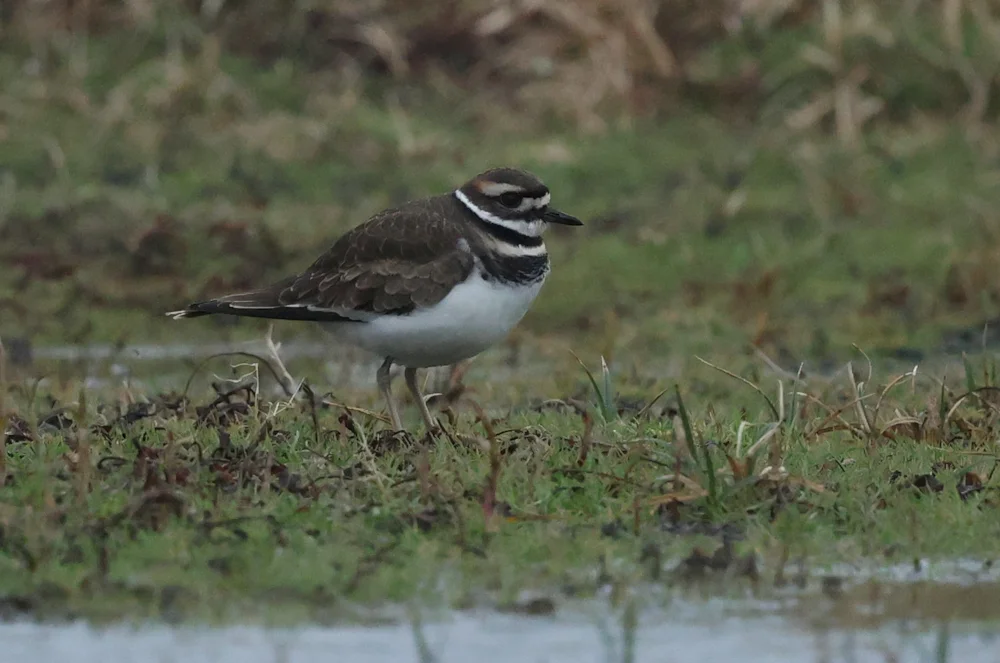
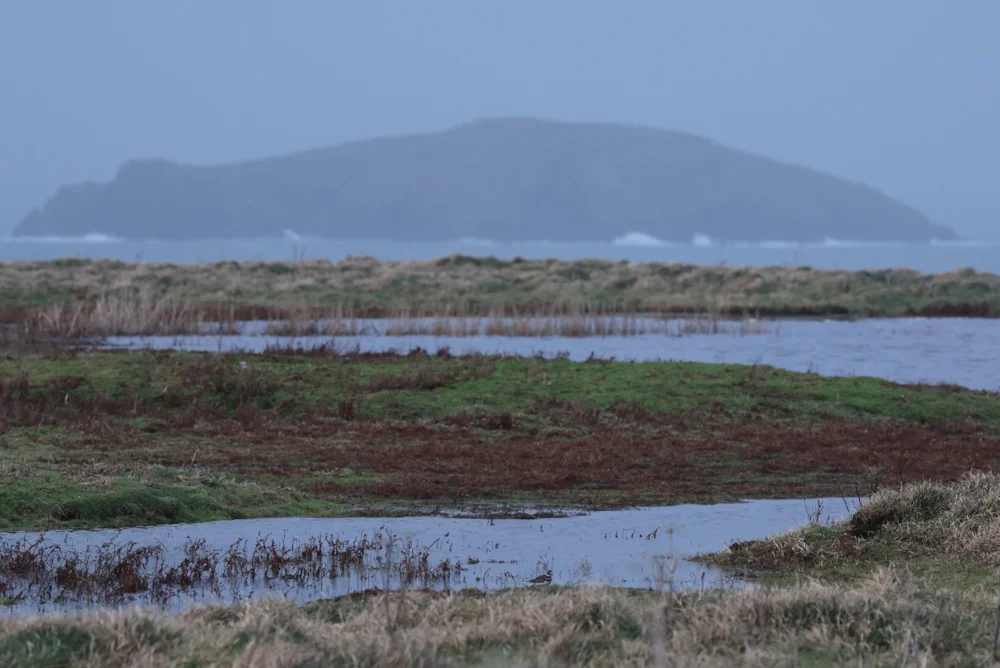
Killdeer, Skokholm, Pembrokeshire (Richard Brown/Skokholm Warden).
This autumn's mass arrival of Black-faced Buntings into Western Europe went from strength to strength this week. New finds at Portland, Dorset, Nanjizal, Cornwall, and Fair Isle, Shetland, brought Britain's 2025 total to seven, with additional finds in Belgium (two), Netherlands (two) and Sweden bringing the running European total to 16. Further easterlies are expected in the coming week, which may boost totals even further.
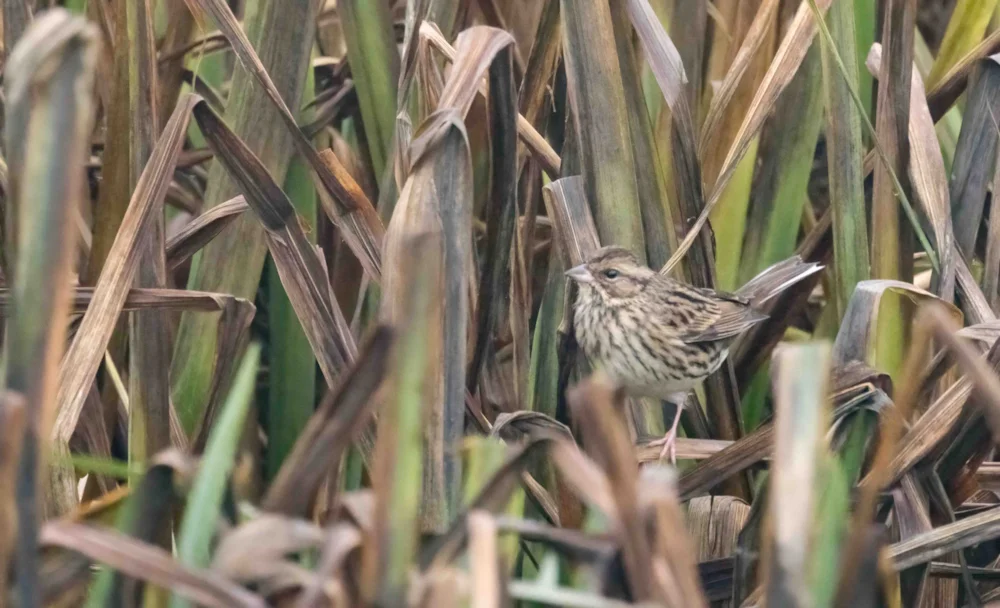
Black-faced Bunting, Fair Isle, Shetland (Alex Penn).
With the presence of Siberian Rubythroat, Pechora Pipit and Oriental Turtle Dove in Shetland, you could be forgiven for thinking we were still in the peak weeks of October. The rubythroat, a female, was another excellent find for David Cooper at Norwick, Unst, from 7th, with the Pechora Pipit in a birder's garden at Scalloway, Mainland, on 8th. Both juvenile Oriental Turtle Doves remained at Hillwell, Mainland. On 4th, a run of exciting finds on Mainland Orkney consisted of a first-winter male Rose-breasted Grosbeak at Tankerness and an Eyebrowed Thrush at Finstown. Disappointingly, neither proved twitchable.
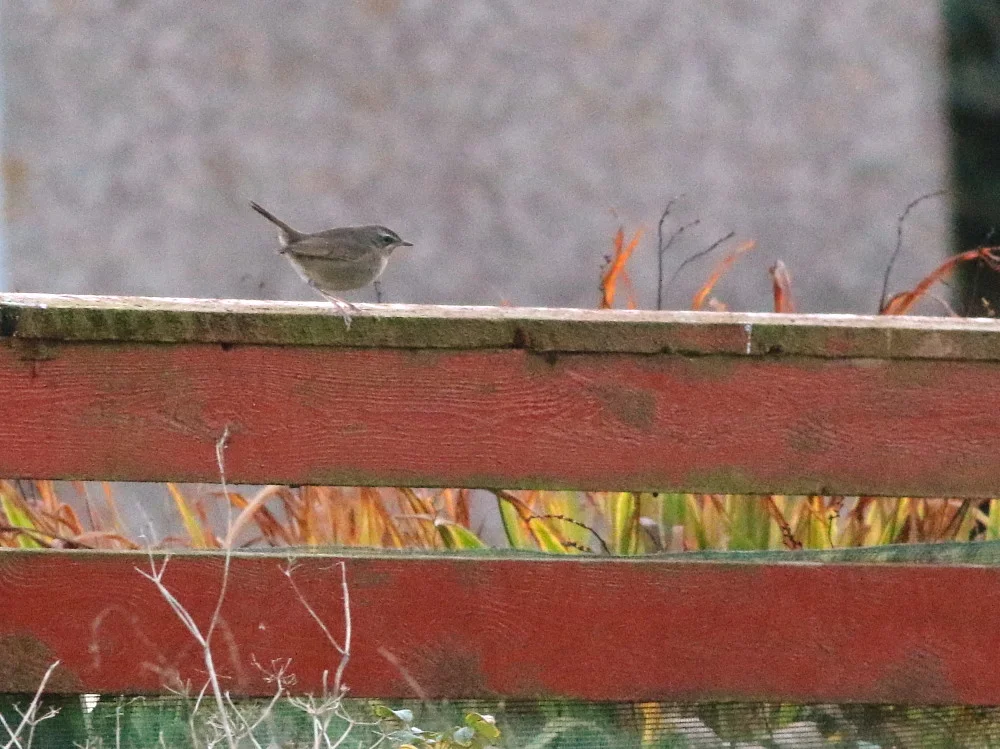
Siberian Rubythroat, Norwick, Unst, Shetland (David Cooper).
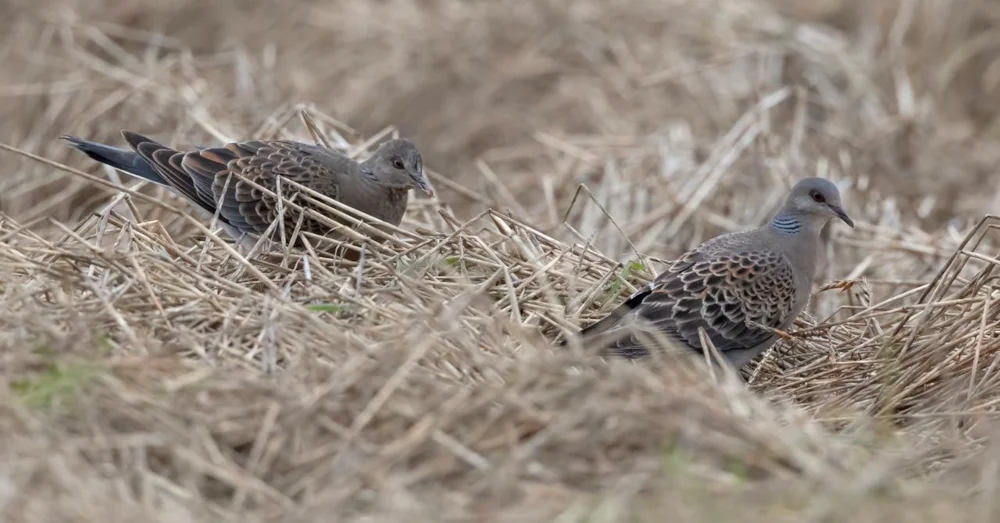
Oriental Turtle Doves, Hillwell, Mainland, Shetland (Roger Riddington).
A White-throated Sparrow was noted onboard RMS Queen Mary 2 in Southampton Docks, Hampshire, on 7th. The sparrow remained on the ship throughout its stay in Hampshire and was subsequently logged in Dutch and Danish waters on 8th, then in Norwegian waters on 9th. The ship left New York on a transatlantic crossing on 31 October. It likely sailed past in view of the male Boat-tailed Grackle: The grackle departed Calshot and flew off beyond Fawley Power Station on 6th, but there was a possible sighting in Holbury on 7th before a report back at Calshot on 9th.
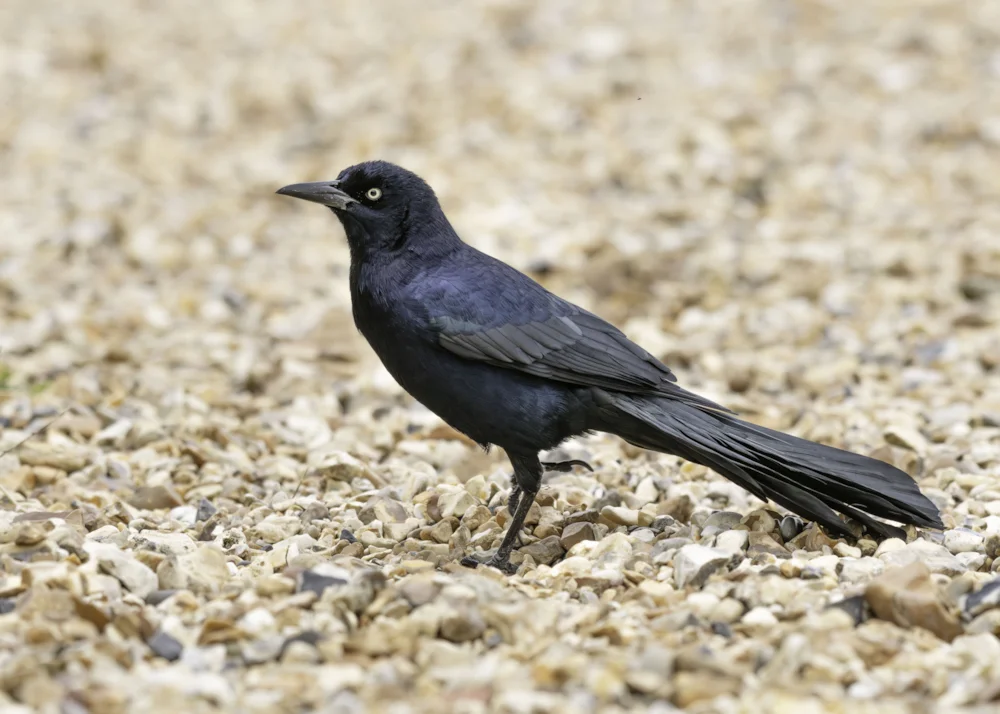
Boat-tailed Grackle, Calshot, Hampshire (Leigh Prevost).
Southerlies in early November these days are near-guaranteed to produce arrivals of Pallid Swift, and this week was no exception. No fewer than 20 were logged over Britain and Ireland, including notable finds at Sand Point, Avon, Carregwastad Point, Pembrokeshire, and Dundalk, Co Louth. Popular examples for twitchers included lingering birds near Margate, Kent, Dawlish Warren, Devon, and Cromer, Norfolk. Additional 'probables' would have brought totals closer to 30 if ID had been confirmed.
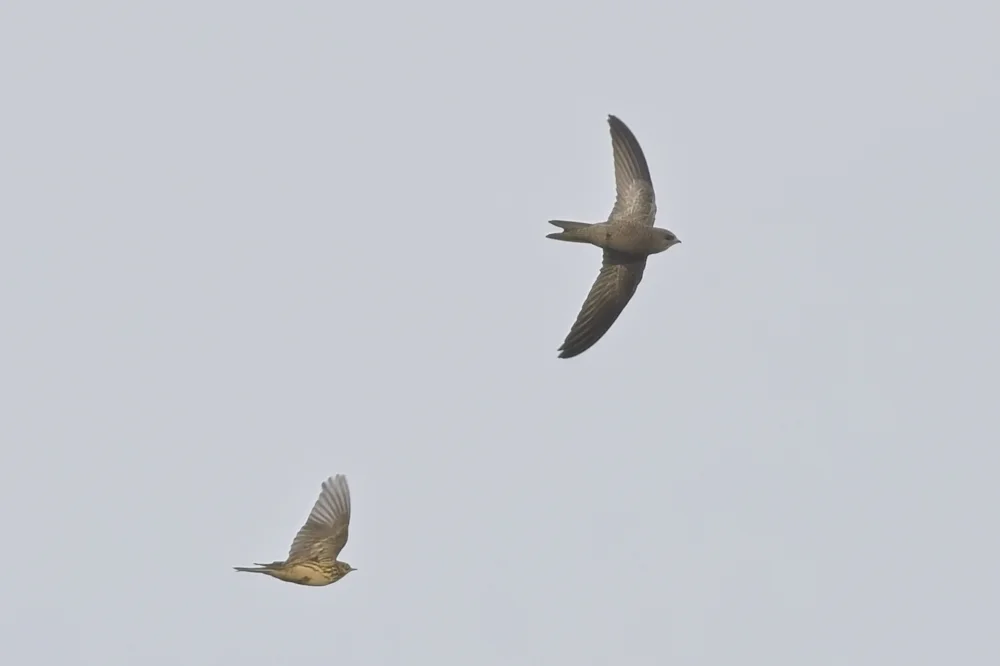
Pallid Swift (top bird) with Meadow Pipit, Foreness Point, Kent (Kenton Evans).
One of the highlights of light south-easterlies in the South-East over the weekend was a male Desert Wheatear at Seasalter, Kent, on 8th. Topping up the rare wheatear totals even further were a couple of Isabelline Wheatears found at Spurn, East Yorkshire, and on St Martin's, Scilly, on 9th. A likely first-winter male Eastern Black Redstart was in a garden at Withernsea, East Yorkshire, on 8th, while an eastern stonechat most closely resembling Amur Stonechat was on Stronsay, Orkney, the previous day.
A day that will live long in the memory… elation when this little beauty popped up in front of me… a 1stW male Desert Wheatear !!! At South Swale NNR on the seawall between the Sportsman Pub and Castle Coote (Seasalter). @RareBirdAlertUK @BirdGuides @KentishPlover pic.twitter.com/iVnIEFualN
— Neil Burt (@NeilBurt5) November 8, 2025
Desert Wheatear, South Swale NR, Kent (Neil Burt).
Shocking light and a very unobliging Isabelline Wheatear on the breach @spurnbirdobs today, present until dusk @RareBirdAlertUK @BirdGuides pic.twitter.com/YJjfHi3AMN
— John Hewitt (@wathingsmecca) November 9, 2025
Isabelline Wheatear, Spurn YWT, East Yorkshire (John Hewitt).
The adult male Isabelline Shrike at Ring, Co Wexford, continued to cut a popular figure and even tempted a few British twitchers across the Irish Sea. A first-winter was at North Warren RSPB, Suffolk, on 9th. A Great Grey Shrike remained in Hampshire, with the Cornish Steppe Grey Shrike still present until 5th.
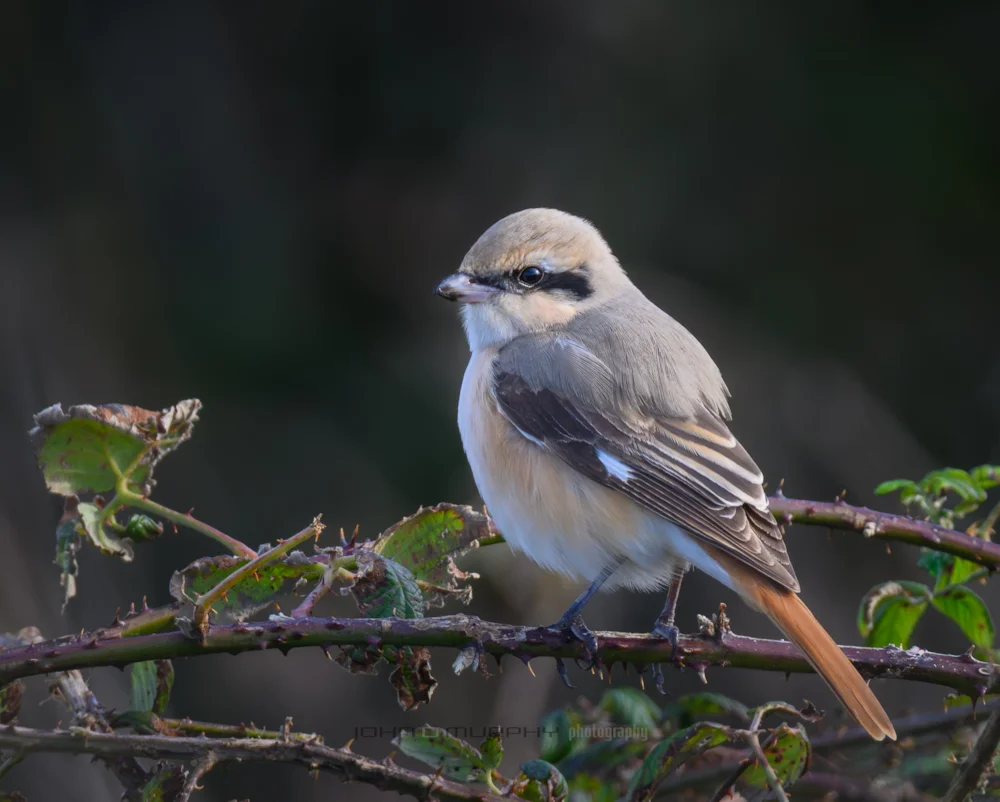
Isabelline Shrike, Ring Marsh, Wexford (John D Murphy).
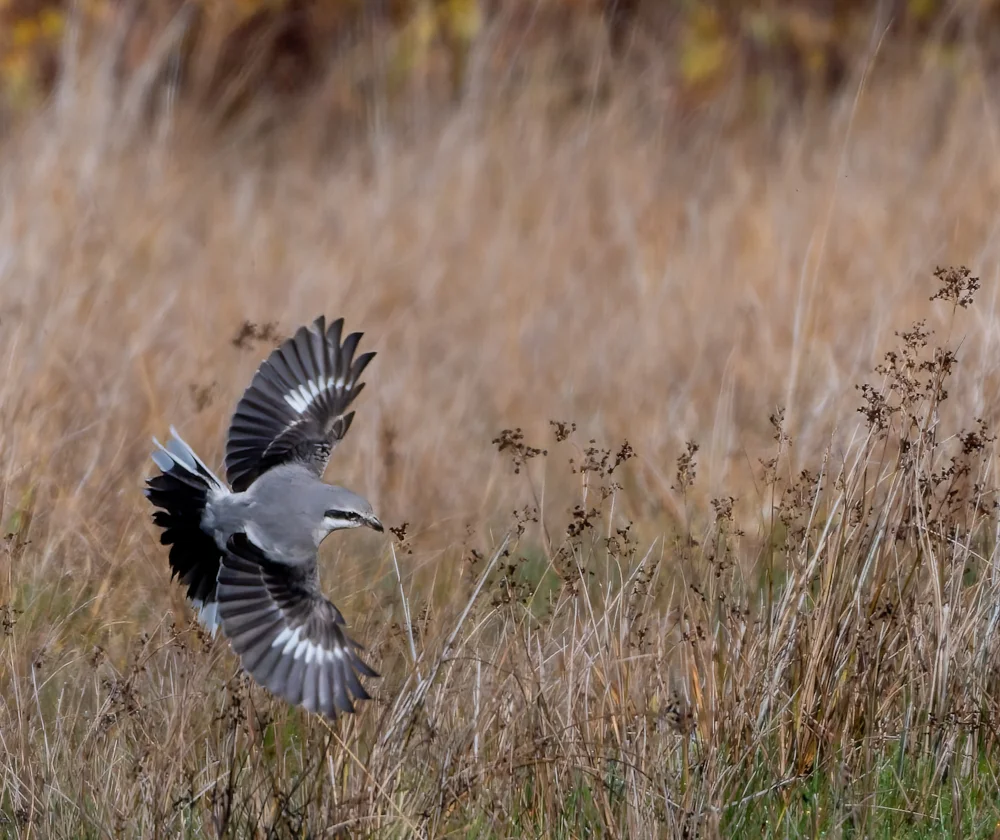
Great Grey Shrike, Shatterford, Hampshire (Tracey Jolliffe).
A bumper influx of Dusky Warblers saw no fewer than 22 discovered from Wednesday, the bulk along the east coast between Norfolk and Kent. This included twos at Craster, Northumberland, Weybourne, Norfolk, and Flamborough Head, East Yorkshire. Incredibly, one at Aylestone, Leicestershire, from 7th inhabited the very same stretch of riverbank as the only other county record back in 2021. Pallas's Warbler also arrived in their masses with some 43 discovered, all but five on the coasts of eastern and southern England. Radde's Warblers were in Orkney and Co Waterford, with a Blyth's Reed Warbler trapped and ringed in Suffolk.
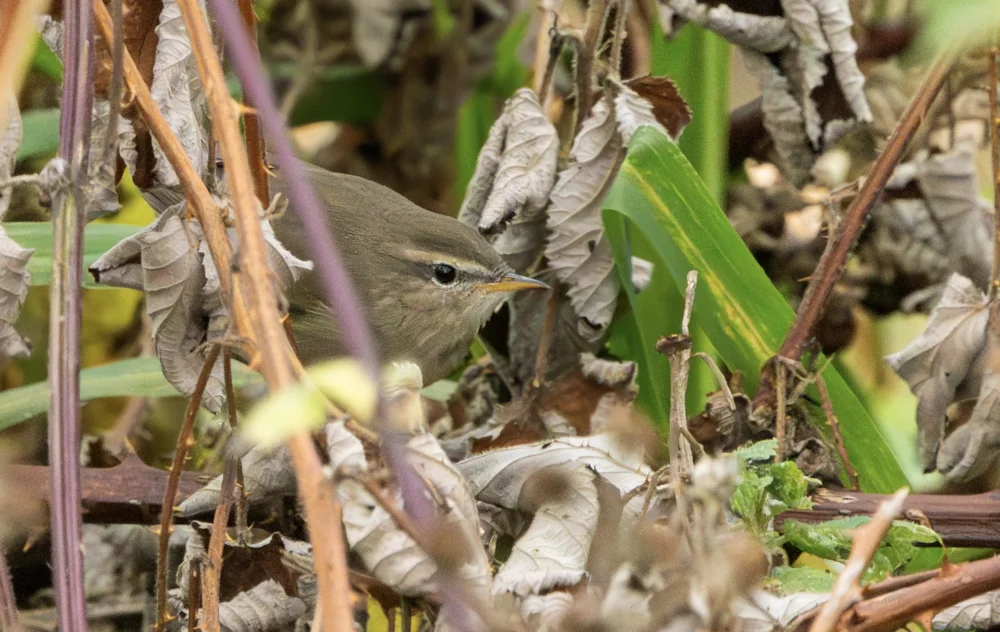
Dusky Warbler, Aylestone, Leicestershire and Rutland (Miles Cluff).
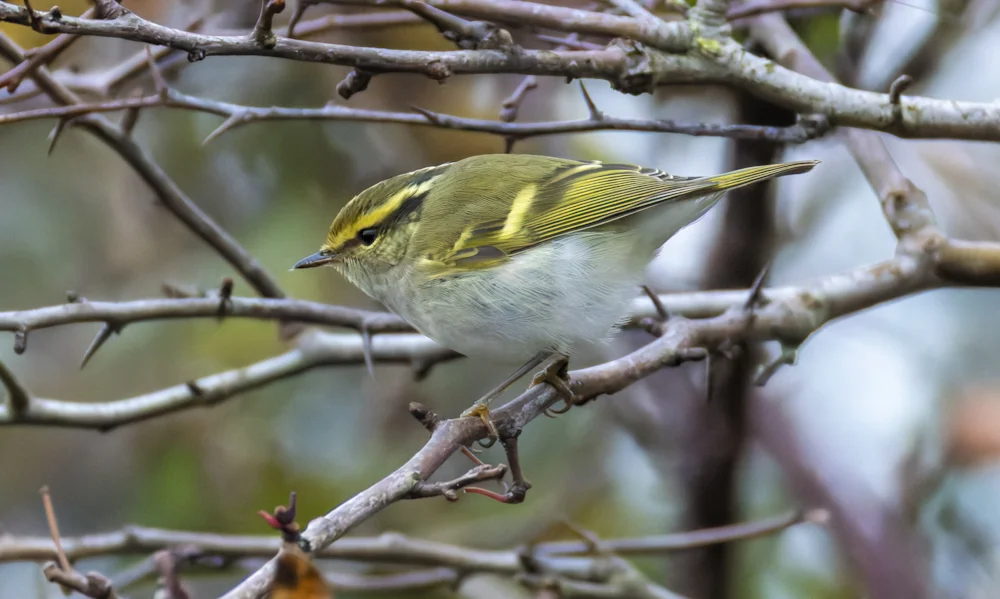
Pallas's Warbler, Flamborough Head, East Yorkshire (Glyn Sellors).
A concerted late push of Olive-backed Pipits came as a surprise, with one at South Gare, Cleveland, the most popular. Others were in Cornwall, Scilly and Shetland (two), plus a probable in Lincolnshire. Four Northern Long-tailed Tits and one or two Coues's Arctic Redpolls were in Shetland, while a small run of Eurasian Penduline Tits saw two at Titchfield Haven NNR, Hampshire, followed by one at Aust Warth, Gloucestershire.
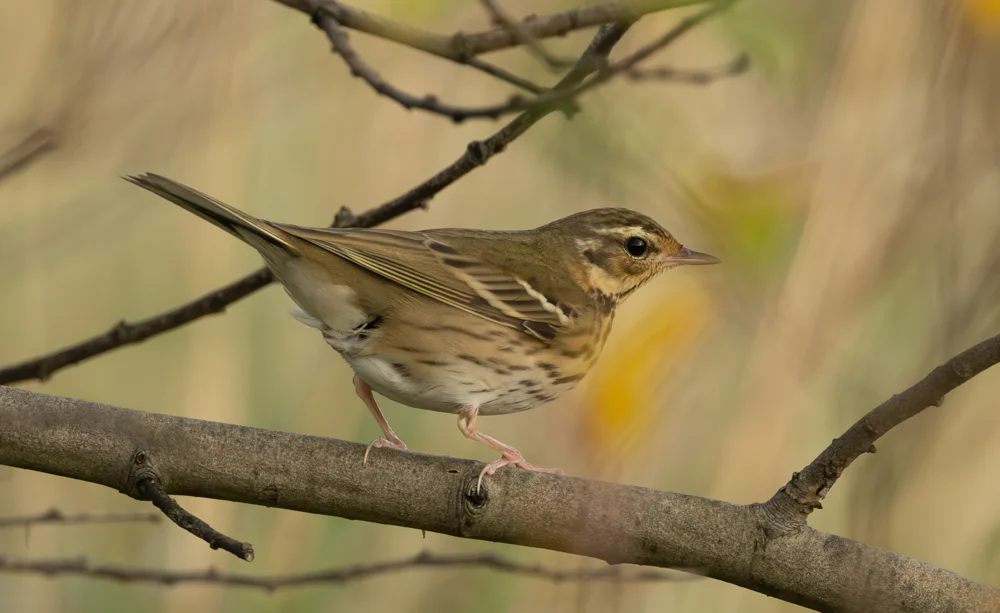
Olive-backed Pipit, South Gare, Cleveland (Steven Fryer).
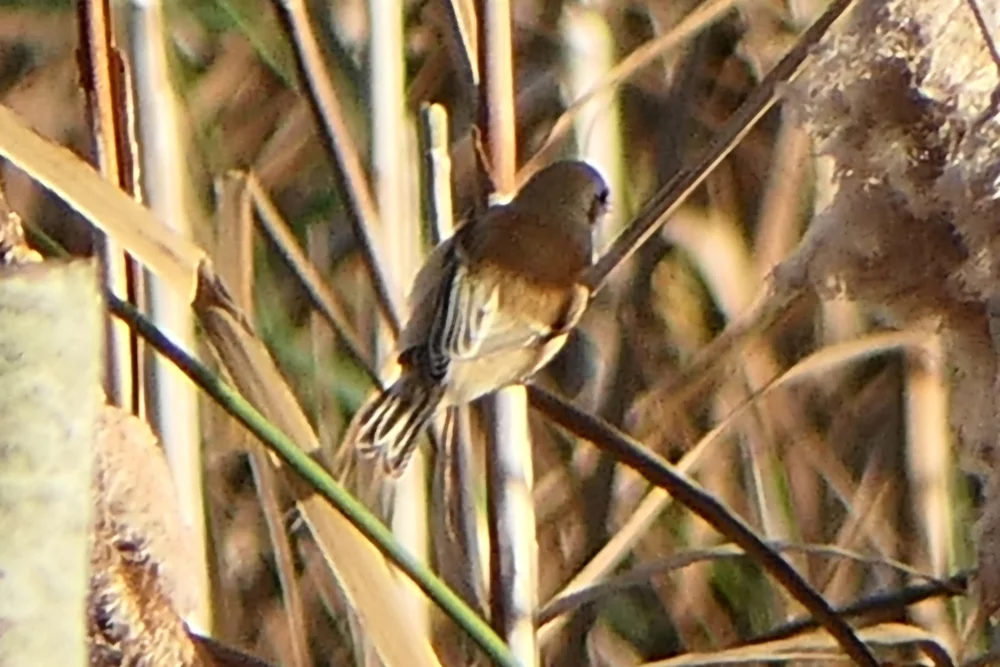
Eurasian Penduline Tit, Titchfield, Hampshire (Derrick Robinson).
A mobile Norfolk Hoopoe was complemented by others in Anglesey, Scilly and the Outer Hebrides; elsewhere were two Little Buntings, three Red-breasted Flycatchers in southern Ireland, at least three Zitting Cisticolas still in Suffolk and five confirmed Richard's Pipits.
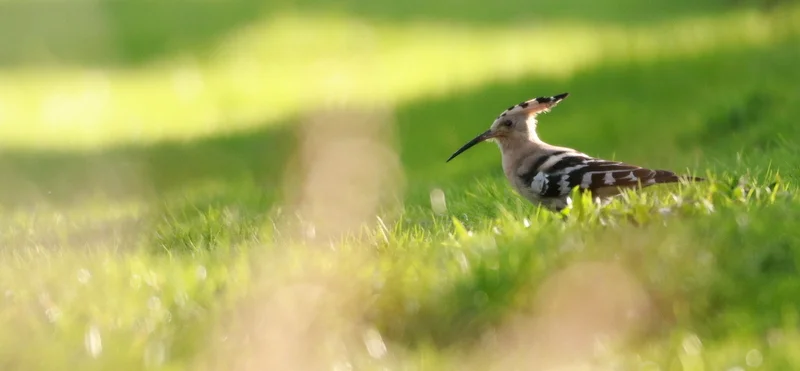
Hoopoe, St Mary's, Isles of Scilly (Kris Webb).
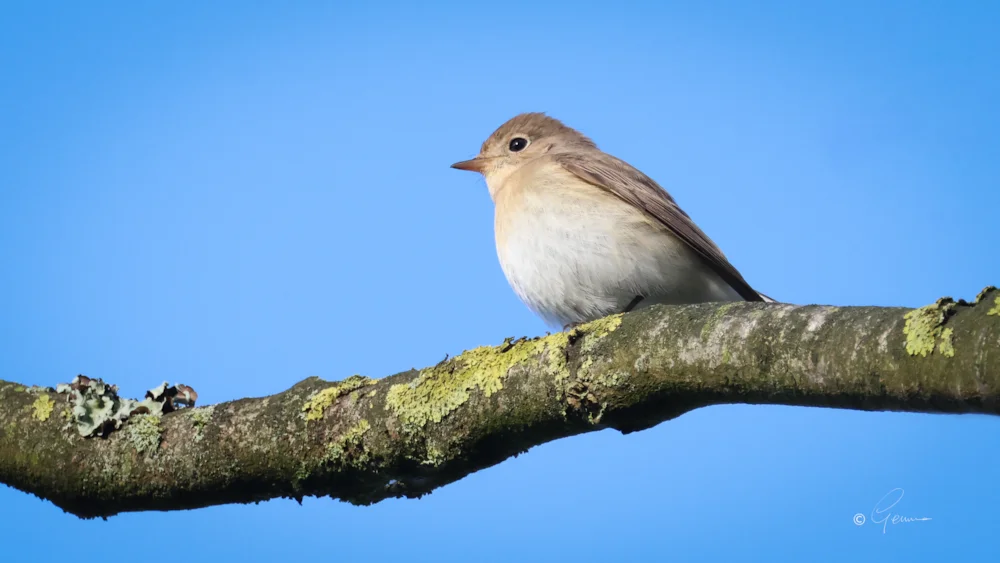
Red-breasted Flycatcher, Helvick Head, Waterford (Gemma Kelleher).
Both juvenile Northern Harriers continued in Co Wexford and two Pallid Harriers remained in Wales. Purple Herons were in four counties and a probable Spotted Crake was flushed at Swinister, Mainland Shetland, on 5th.
Extending the seabird season into November was a Soft-plumaged Petrel past both Seven Heads and Galley Head, Co Cork, on 3rd. The first Irish record, the species has seen a sea change in its regional status this summer, with the three birds seen since July (in Britain, Spain and now Ireland) matching the total number of previous Western Palearctic records. An adult Bonaparte's Gull was new on Westray, Orkney, with another still on Rathlin Island, Co Antrim, and a probable past St Abbs Head, Borders.
November arrivals of Lesser Scaup have seemed near-customary in recent years. A total of 11 were counted this week, boosted by the arrival of new birds in Cornwall (two), Essex and Bedfordshire. The last of these, at Broom GP, represented an arguably overdue county first. Amazingly, last week's female-type Baikal Teal at Abbotsbury Swannery was this week replaced by a drake. A first-winter female Blue-winged Teal at Hayle Estuary was another notable discovery over the weekend. Elsewhere were four American Wigeon, six Surf Scoter, nine Green-winged Teal and 16 Ring-necked Duck. An adult drake White-winged Scoter was found at Rossbeigh, Co Kerry, and the first-winter drake Harlequin Duck remained in Co Donegal.
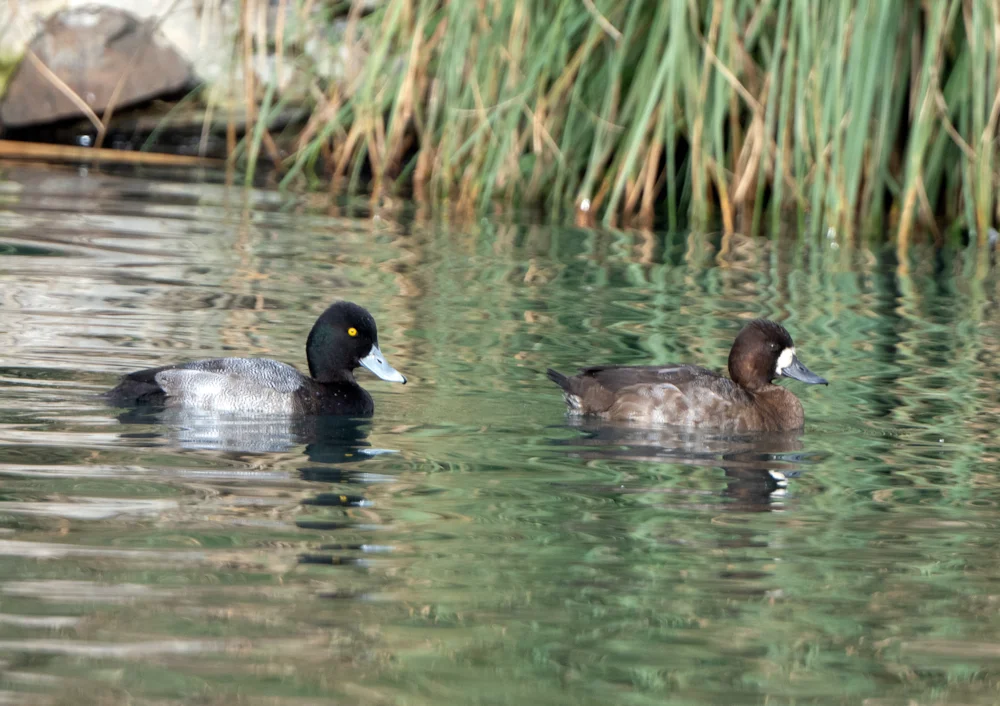
Lesser Scaup, Helston, Cornwall (Alex Mckechnie).
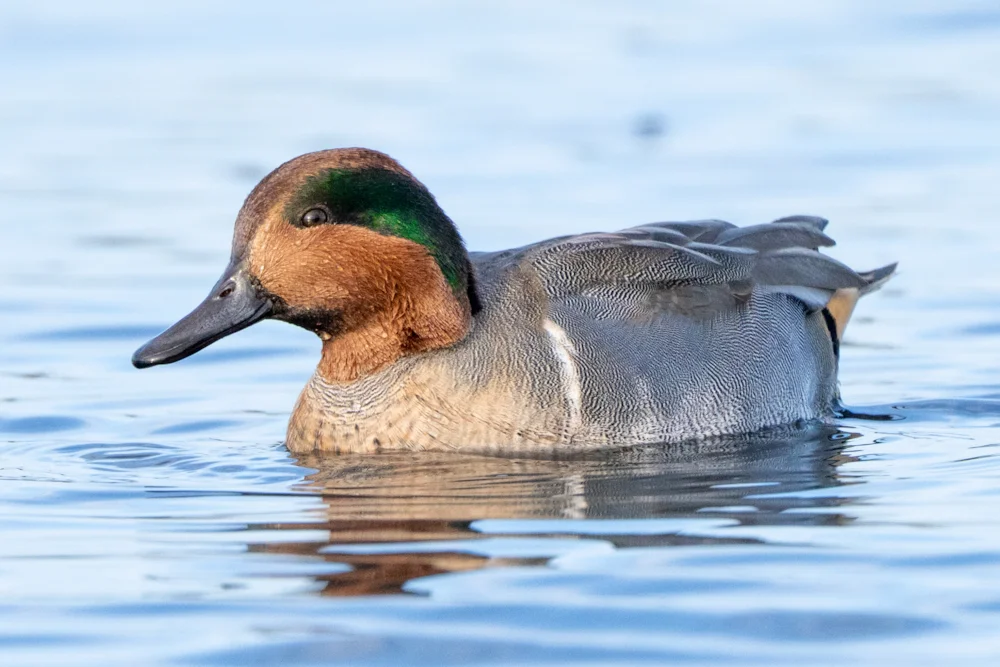
Green-winged Teal, Swords Estuary, Dublin (Holly Grogan).
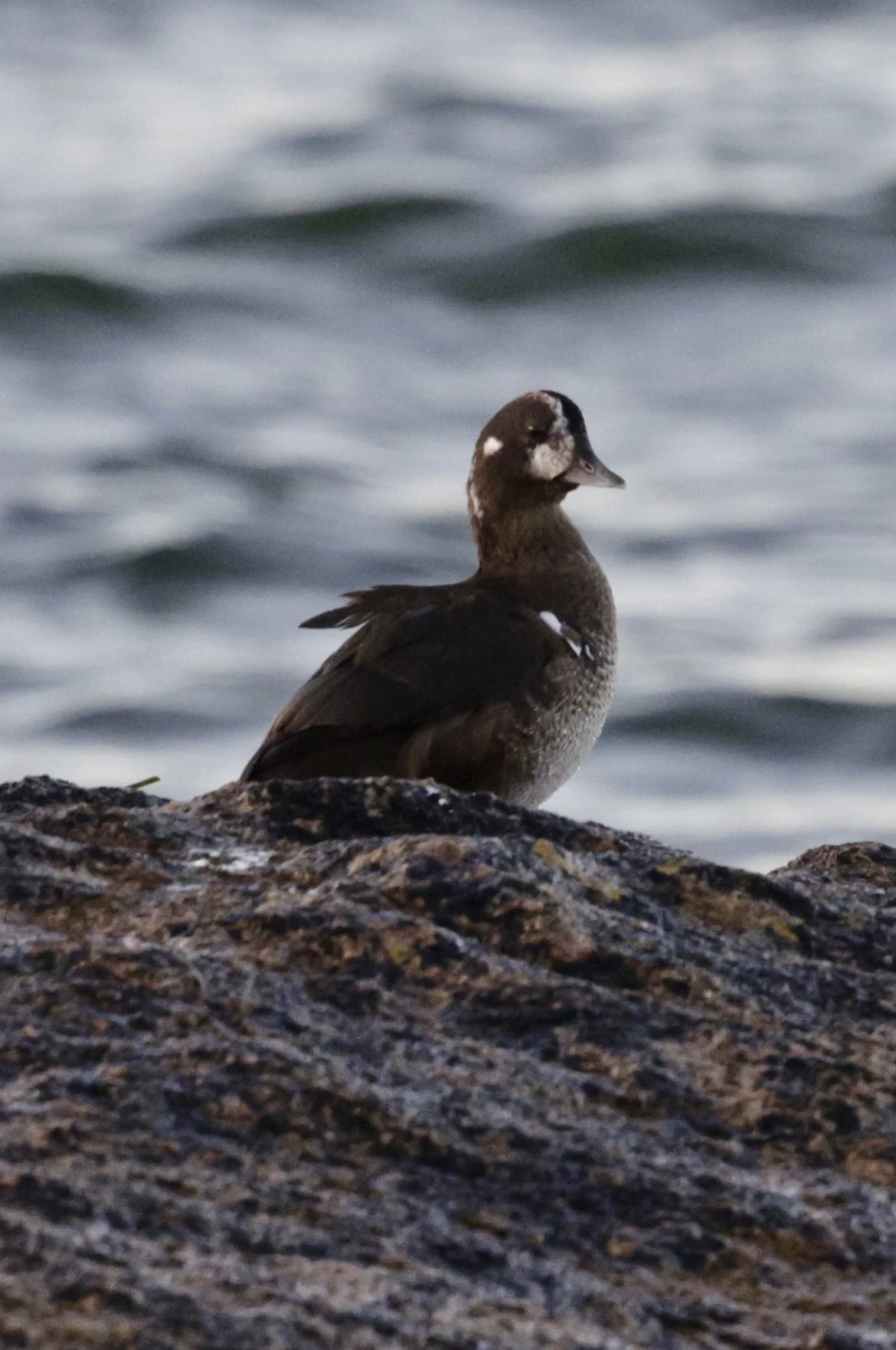
Harlequin Duck, Carrickboyle, Donegal (Liam Fleming).
Red-breasted Goose, Richardson's Cackling Goose, Todd's Canada Goose and Lesser Canada Goose were all on Islay, Argyll. Cumbrian birders enjoyed a twitchable Richardson's Cackling Goose at Rockcliffe Marsh, with another still in Co Sligo, and a Red-breasted Goose arrived in Essex. Two Snow Geese accompanied Pink-footed Geese in northern Scotland and two Black Brant were in eastern England.
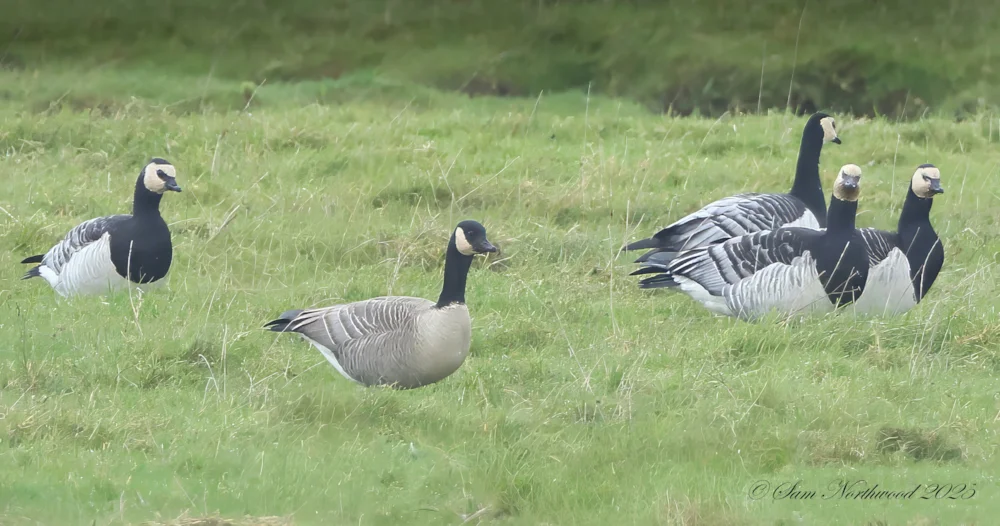
Richardson's Cackling Goose (centre) with Barnacle Geese, Rockcliffe Marsh, Cumbria (Sam Northwood).
In Somerset, the German-ringed adult female Kentish Plover returned to its regular spot near Burnham-on-Sea for the seventh winter running on 9th. Five Lesser Yellowlegs included new birds in Anglesey and Co Donegal; elsewhere were six each of American Golden Plover and White-rumped Sandpiper, plus the Western Sandpiper still in Ayrshire.
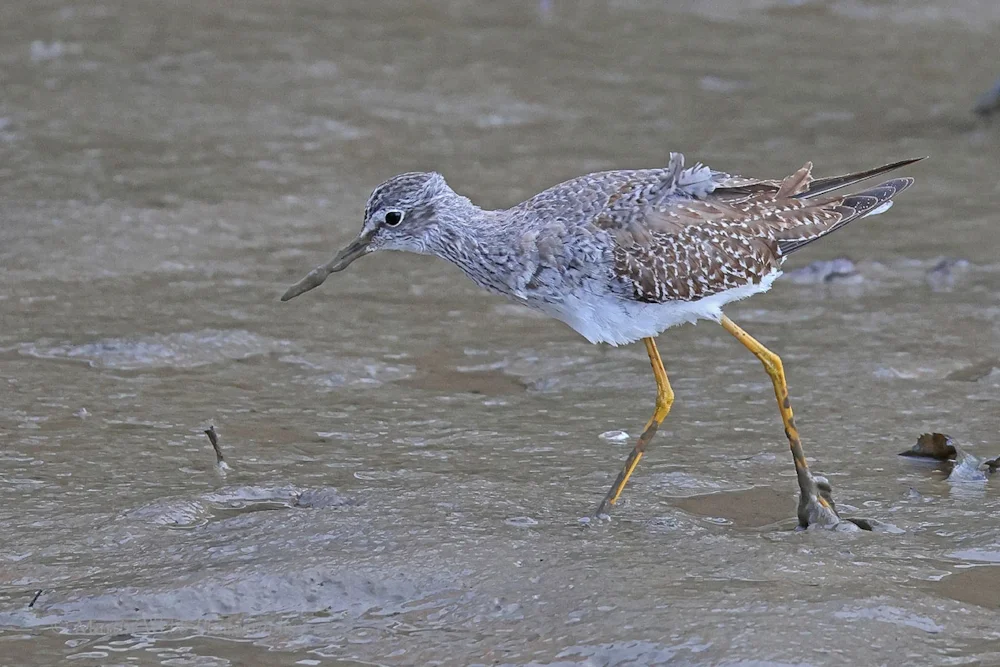
Lesser Yellowlegs, Truro, Cornwall (Martin Webb).
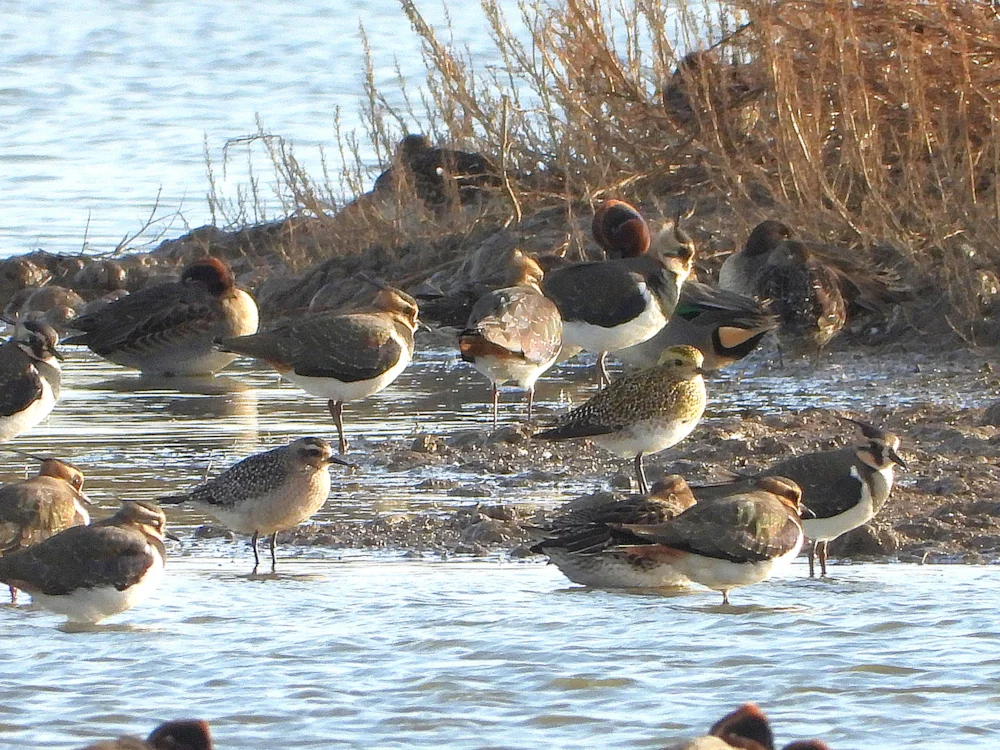
American Golden Plover (left of centre) with Northern Lapwings and European Golden Plover, Titchwell RSPB, Norfolk (Paul Williams).
Western Palearctic
The ongoing invasion of Black-faced Bunting produced no fewer than five additional sightings, including only the second and third records for Belgium (at Zeebrugge and Wenduine on 8th). A further two were in the Netherlands (at Westenschouwen and Zandvoort). All four of these were frustratingly untwitchable – being either fly-overs, birds in mistnets or at private sites – and birders in both countries eagerly await one in a more suitable location. Swedish birders proved more fortunate, with one being well-twitched at Kannebäck on 6th.
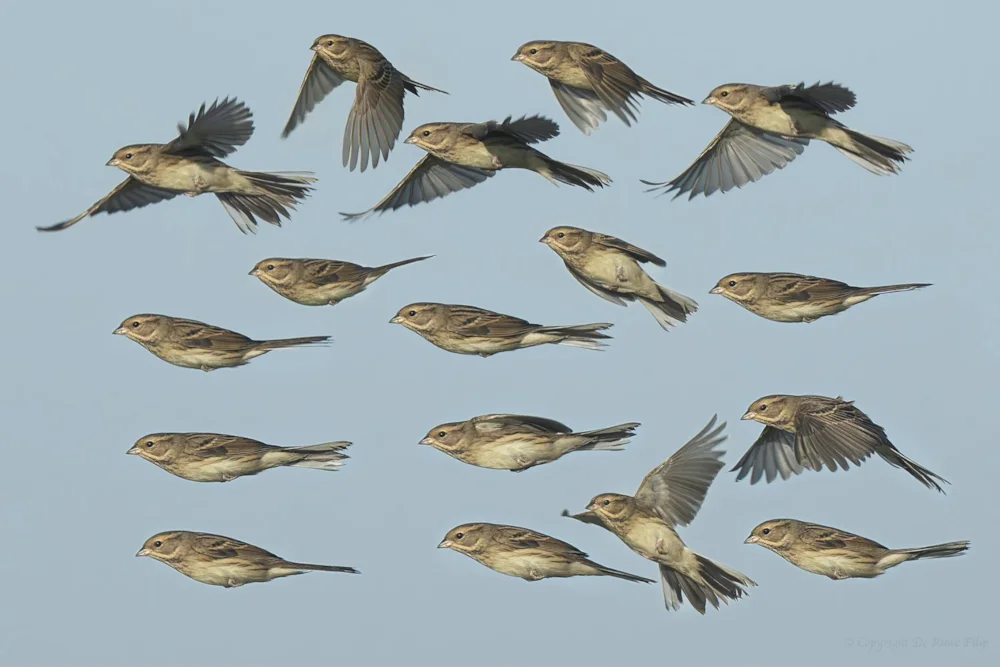
Black-faced Bunting composite, Zeebrugge, Belgium (De Ruwe Filip).
A push of Pallid Swifts in France were accompanied by a White-rumped Swift at Biarritz on 7th, with other finds in the country including a Sociable Lapwing and an adult male Northern Harrier. The Forster's Tern lingered in Brittany. Switzerland recorded its first Eastern Imperial Eagle and Denmark its second Cetti's Warbler, with a Hermit Thrush in Iceland and a drake Stejneger's Scoter in Sweden. The Spectacled Eider remained in the Netherlands, where a black-eared wheatear species was seen on 7th.
A Ruby-crowned Kinglet remained present and correct on Corvo, Azores, on 8th, while Great Blue Heron and American Great Egret were on Faial. There was belated news of a male Chestnut-capped Blackbird on Ilhas Selvagens, Madeira, on 11 May. This ship-assisted vagrant from eastern South America is the first such Western Palearctic occurrence.
Three Asian Desert Warblers in Azerbaijan were the first national records. The Western Willet was still on Boa Vista, Cape Verde, and Purple Sunbird and Blyth's Pipit were in Kuwait.
- Keep up to date with by-the-minute sightings updates of autumn migrants, rarities and significant birds in your local area at www.birdguides.com/sightings or via the all-new BirdGuides app. New users are entitled to a one-month free trial.

