
Suffolk's wader partners report a halt to coastal declines
Conservation partners working along the Suffolk coast say declines in breeding waders have halted following a decade of co-ordinated habitat management, although populations remain well below historical levels.
The Suffolk Wader Strategy began in 2016, bringing together landowners, the RSPB, Suffolk Wildlife Trust, Natural England, the National Trust, Suffolk and Essex Coast National Landscape and the Water Management Alliance. Its work spans wetlands between Boyton and Hollesley Marshes near Woodbridge, and Carlton and Oulton Marshes near Lowestoft.
Northern Lapwing and Common Redshank numbers are no longer declining across the coastal network, according to Suffolk Wildlife Trust director of wildlife conservation and recovery Ben McFarland. However, stabilisation is not equivalent to recovery, and breeding success remains sensitive to weather and habitat conditions.
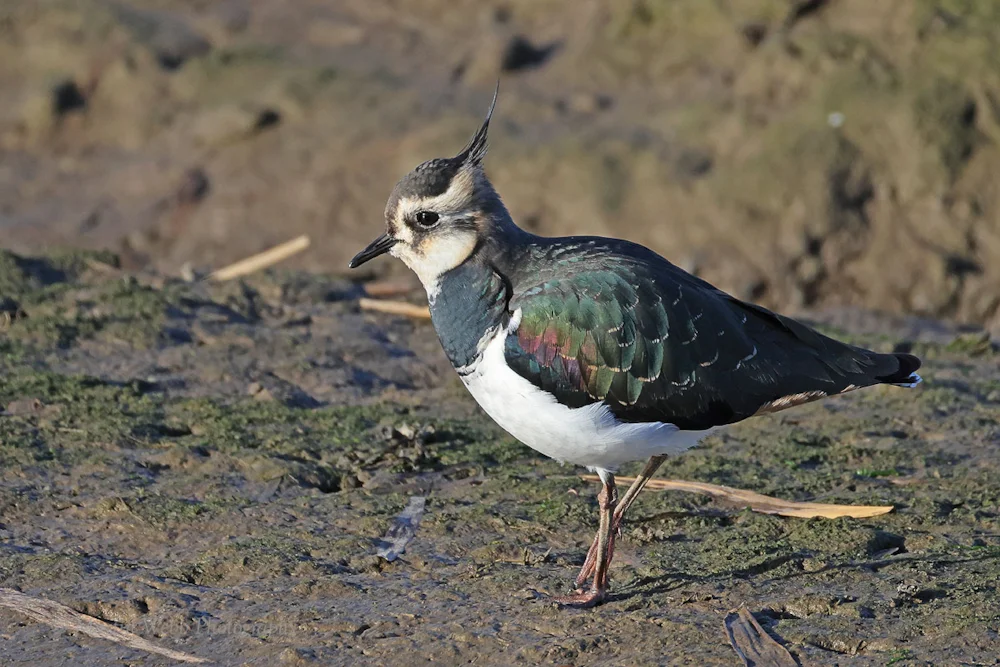
A decade of habitat management across reserves and farmland has helped stabilise Northern Lapwing (pictured) and Common Redshank numbers in Suffolk (Martin Webb).
Suffolk Wader Strategy taking shape
One key intervention has been the creation of shallow channels, known as footdrains, across grazing marshes. These provide damp margins and accessible invertebrate-rich feeding habitat for wader chicks. A specialist spoil spreader was used to create nine kilometres of wetland features through the DEFRA Farming in Protected Landscapes programme.
The partnership also monitors birds, advises on predator management and helps farmers access agri-environment funding, with work co-ordinated across five river valleys to ensure feeding and nesting sites remain connected.
Breeding numbers across the network remained stable in 2025, although a dry spring put productivity under pressure.
Nationally, the picture remains concerning, with the RSPB reporting declines of 50% for lapwing and 59% for redshank since 1975.
