
RSPB calls for changes to garden bird feeding
The RSPB has today [10 April 2026] issued updated guidance on feeding garden birds, urging the public to adopt seasonal and hygiene-based measures to reduce the spread of disease.
The advice follows a major evidence review, conducted with input from the Institute of Zoology and the British Trust for Ornithology (BTO), which found strong links between supplementary feeding and the transmission of pathogens such as trichomonosis.
This disease has already had a significant impact on UK bird populations, contributing to sharp declines in species such as Greenfinch and Chaffinch, and may now be affecting Eurasian Bullfinch. Greenfinch numbers have fallen by more than 65% since the mid-1990s, with disease identified as a key driver.
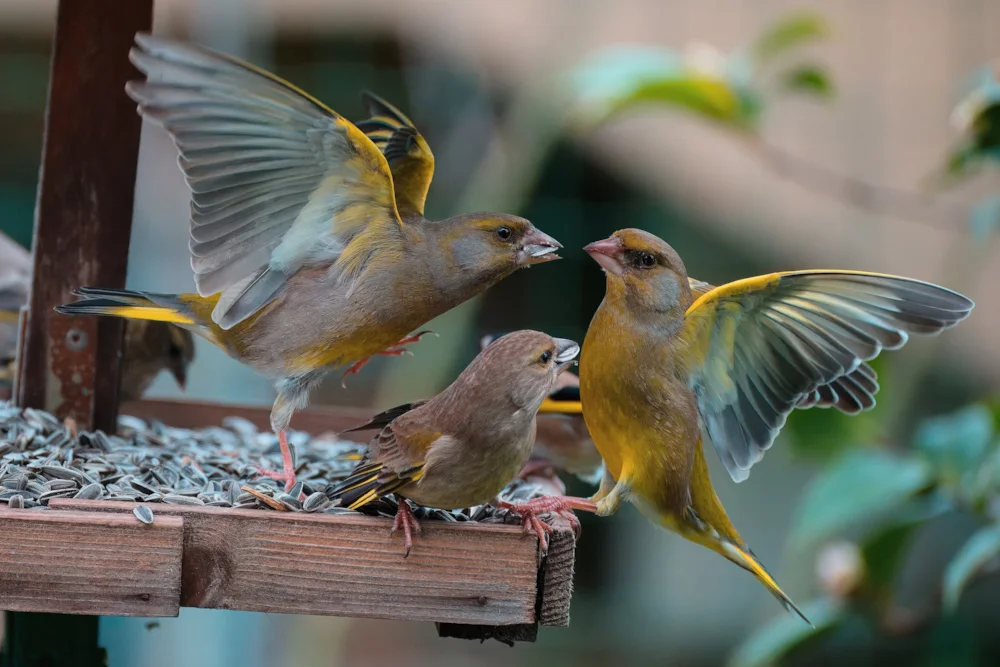
Greenfinch populations have declined by 60% due to trichomonosis, a fatal parasitic disease spread via contaminated bird feeders (Raffaele Cargnelutti).
Feeders are transmission hot-spots
The review found that feeding stations can act as transmission hot-spots, where birds congregate and contaminated food or water is shared. The risk is greatest during summer and autumn, when outbreaks of trichomonosis are more likely and when multiple seed types are provided.
Despite these concerns, the RSPB emphasised that feeding birds still offers clear benefits. Supplementary food can improve breeding success, particularly when protein-rich foods such as mealworms are provided and can help birds survive harsh winter conditions. Feeding also supports some species, including tits and finches, and provides wellbeing benefits for people.
However, the charity said that changes are now needed to balance these benefits against the risks. Its updated guidance centres on a simple message: "Feed seasonally, feed safely."
Guidance changes
From 1 May to 31 October, the RSPB is advising people to stop offering seed and peanuts to reduce crowding at feeders, while continuing to provide small amounts of alternatives such as mealworms or suet.
It is also recommending stricter hygiene measures, including weekly cleaning and repositioning of feeders, daily replacement of water and the removal of flat-surfaced feeders such as bird tables, where contaminated food can accumulate.
The RSPB said it will also stop selling certain bird foods during higher-risk periods and will continue to monitor the impact of the changes. While further research is needed, the charity said the evidence is clear that action is required now to help safeguard the long-term health of garden bird populations.
