
New report shows bioenergy's risks to climate and nature
The RSPB, along with 3Keel, has published new analysis that shows logging forests for energy or carpeting the countryside in energy crops puts nature, climate and food production at risk. Yet, without action from the government, these sources could be heavily relied upon for the UK's future bioenergy supply in the race to Net Zero.
The contribution of these high-risk materials to our energy supply, according to the report, should be limited and replaced with sustainable wastes, like gas from landfills or materials generated while managing woodlands for wildlife. This will reduce the impacts bioenergy can have on nature and our climate, with the analysis from the RSPB and 3Keel also predicting that these low-risk sources could deliver up to 4% of the UK's primary energy by 2050.
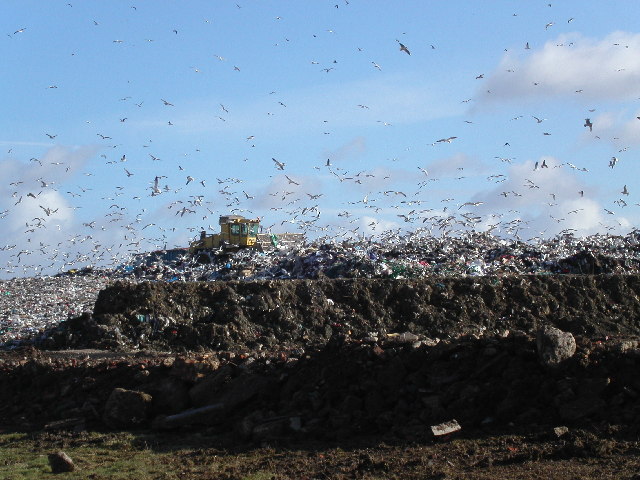
Gas from landfill sites is a sustainable source of energy, according to the RSPB (Vincent Jones via Geograph)
However, the vast majority of biomass electricity in the UK currently comes from burning wood pellets, mainly sourced and imported from forests in the south-eastern USA. Drax power plant, the UK's single biggest CO2 emitter, has received billions of pounds of public money in renewable energy subsidies and tax breaks to burn this wood, even though it releases more CO2 into the atmosphere than coal.
Independent news organisations and environmental groups have also documented the effect that wood pellet harvesting is having on important forest habitats. Many of these forests are home to declining or rare species of birds and other wildlife, and the logging of overseas forests to burn for UK energy use risks damaging the habitats and ecosystems this wildlife depends on.
Alternatively, some of the most sustainable materials for bioenergy, according to the RSPB, could come from managing its 222 nature reserves here in the UK, as Jenna Hegarty, Head of Land, Seas and Climate Policy from the charity, describes: "Here at the RSPB, managing our nature reserves for the benefit of wildlife can also provide the most sustainable source of biomass available that benefits nature and the climate, not harms it.
"Whether it's reed cuttings from reedbeds, which are conserved for the benefit of species like Eurasian Bittern, Eurasian Otter and Common Crane, old gorse and bracken that has been removed from heathlands to benefit Dartford Warbler and Woodlark, or wood taken from managed woodlands to allow species like Pied Flycatcher and Wood Warbler to make much-needed recoveries, our natural spaces could provide some of the most sustainable materials for bioenergy here in the UK."
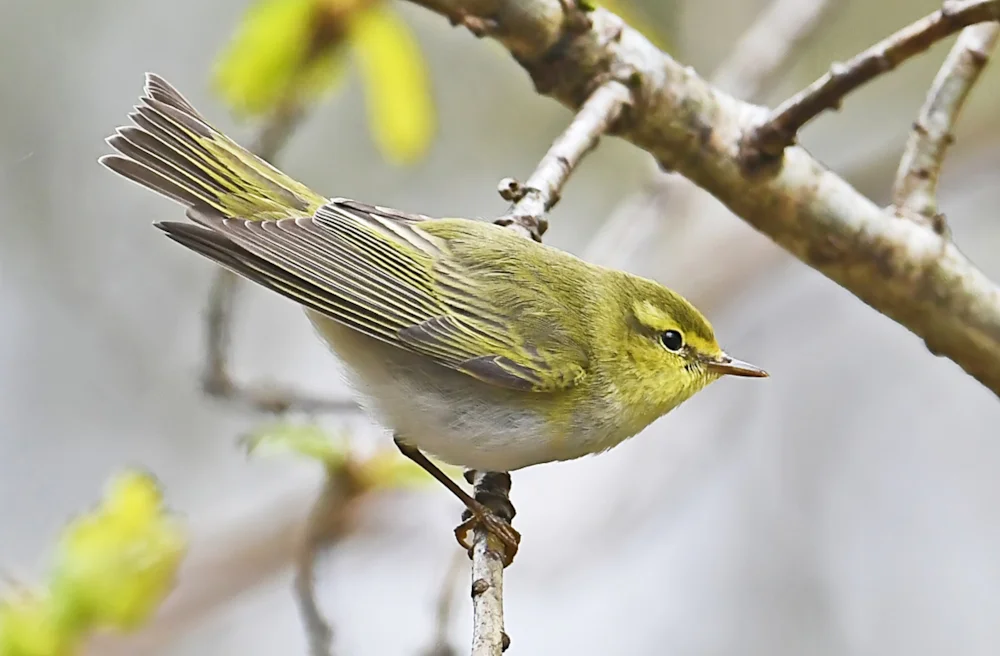
Wood removed during habitat management for key species like Wood Warbler could be important for the UK's bioenergy supply (Kev Joynes).
With the government wanting much more land to be protected and managed for nature in the future, there is real scope to use genuine wastes from nature reserves to contribute to the nation's energy needs, while squarely recognising that bioenergy's role can only be a small part of the mix.
The UK Government also wants to use even more bioenergy in the future to meet Net Zero targets, including with unproven technology that could capture and store the CO2 created when burning biomass. However, this is fraught with risks.
Staggeringly, global models suggest that if this technology – Bioenergy with Carbon Capture and Storage – relies on burning crops, it will need almost half of the world's current cropland, covering an area of 1.2 billion hectares, to meet hypothetical projections.
This would reduce space for food, squeeze out nature, drain finite water sources, pollute our countryside with fertilisers and pesticides, and threaten communities' access to land. The RSPB report, which was published on 11 May, questions whether this country, and the world, can afford to carpet the countryside with bioenergy crops.
Jenna Hegarty added: "Blanketing our countryside in energy crops risks squeezing out both nature and food production, while keeping forests standing is crucial to storing carbon and helping nature.
"It's time for a bioenergy policy that helps nature and the climate, not damages it. Taking a chainsaw and a match to the world's forests when we have other, cleaner ways to keep the lights on like solar and wind power is madness.
"Now is the time to limit bioenergy to secure, nature-friendly, home-grown sources, such as genuine wastes from nature reserves, and to focus on clean and sustainable renewables like solar and wind in harmony with nature. The government's forthcoming Biomass Strategy is a chance to pour cold water on burning nature-rich forests and crops that could otherwise feed people, ditching plans that threaten nature and switching instead to a bioenergy policy that helps our struggling wildlife and aligns with net zero plans in the face of the Nature and Climate Emergency."
