
Indian Golden Oriole, Canvasback and breeding surprises headline BBRC 2024 report
The latest British Birds Rarities Committee (BBRC) annual report has been published, with the acceptance of the Northumberland Indian Golden Oriole and Essex Canvasback, as well as putative breeding records of Spotted Sandpiper and Paddyfield Warbler, catching the eye among 2024's decisions.
The extensive review of occurrences of rare vagrants in Britain was published in British Birds two months earlier than 2023's report last year, with the BBRC citing "several extreme vagrants" and "notable influxes" as standout highlights from 2024.
One of the most notable recent BBRC decisions was the acceptance of the Canvasback that appeared at Abberton Reservoir, Essex, in 2023. Adjudication took longer than usual due to questions over provenance, as a first-calendar-year male had been seen merely 20 km away on the River Stour, Suffolk, in July 2022.
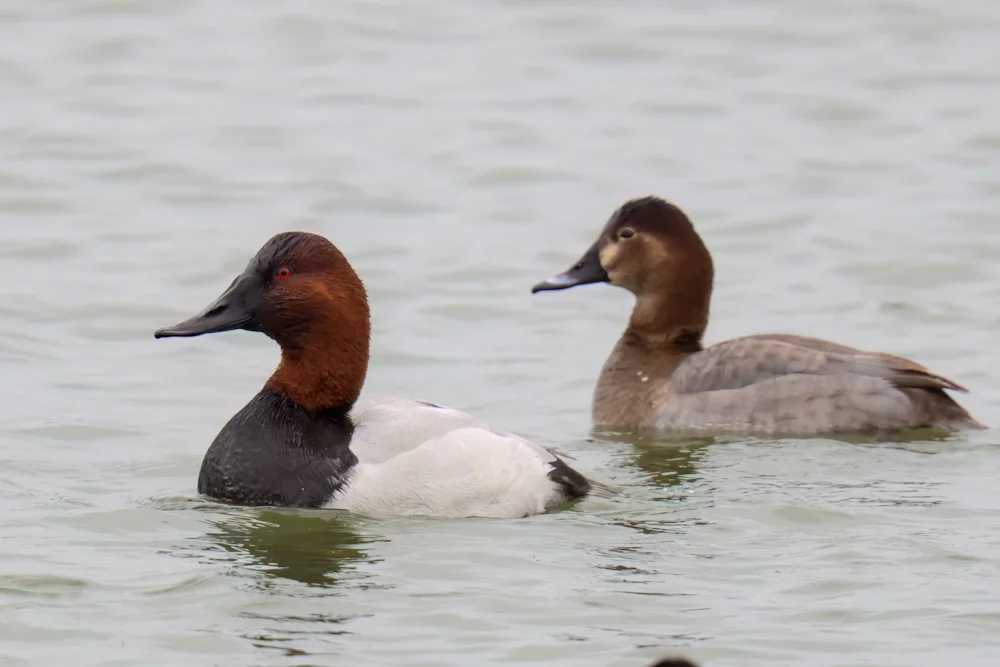
The popular Essex Canvasback as been accepted as wild (Lee Gregory).
Canvasback makes the cut
Detailed ageing work, including comments from Sébastien Reeber, confirmed the Abberton bird was also a first-calendar year bird, but crucially not the same individual. Wing-pattern details indicated a younger bird.
During its absence from Britain, the same individual was photographed in Zuid-Holland, the Netherlands, between 31 May and 29 June 2024, representing a Dutch first after a previous record was rejected.
With the Suffolk bird ruled out and no signs of captivity, the Abberton Canvasback was accepted as a wild vagrant, seen departing and returning with Common Pochard.
Britain's first Indian Golden Oriole awaits BOURC ruling
Another major decision was the acceptance of the Indian Golden Oriole at Holy Island, Northumberland, in May 2024, with the record of what would be an extraordinary national first now passed onto the BOURC for assessment. No other new species were recorded in Britain in 2024, though two further records have been sent to BOURC as potential firsts from earlier years: Yellow-billed Kite and Pied Crow.
In a similar vein, the first, second, third and fourth records of Booted Eagle, spanning as far back as the famous 1999 individual, were all accepted, with the second, third and fourth all occurring in 2024. The 2021 Egyptian Vulture was also accepted, seeing the species elevated to Category A of the British list.
Two intriguing breeding records stood out. One involved the pairing of a Spotted Sandpiper with a Common Sandpiper in Scotland, with the birds seemingly raising four chicks which fledged. However, DNA analysis on the embryo in the unhatched eggs was inconclusive.
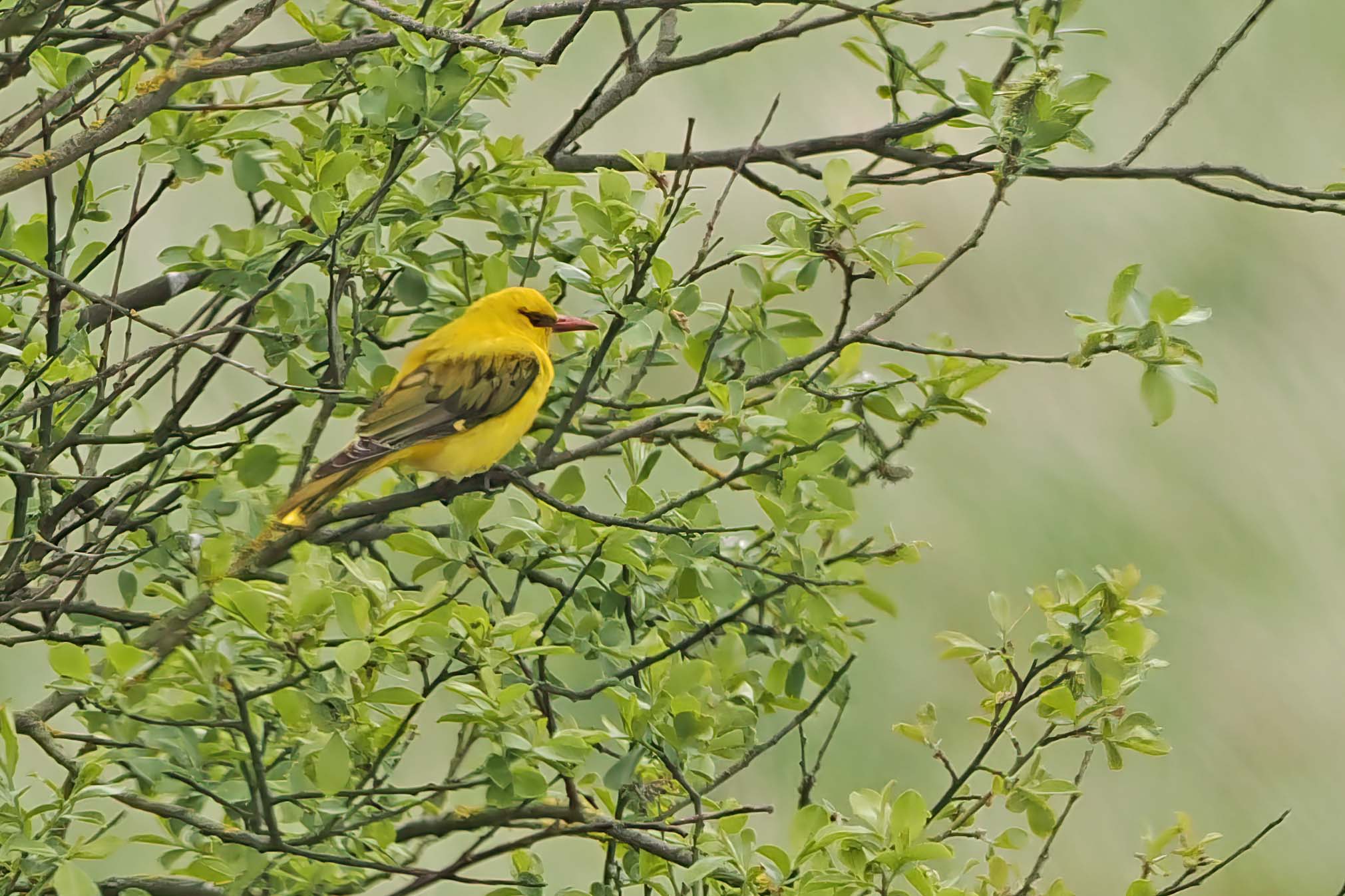
The Northumberland Indian Golden Oriole has been passed to the BOURC for assessment (Neil Hinchliff).
Intriguing breeders and plastic fantastics
Meanwhile, a female Paddyfield Warbler trapped and ringed on the unseasonal date of 28 July sported a brood patch, raising the possibility it had a nest somewhere not far away.
Standing out among the not-proven decisions include a Gyr Falcon at Bempton Cliffs RSPB, East Yorkshire, with an insufficient number of votes in support of the bird's wild origin, and the Pembrokeshire Great-tailed Grackle.
Other notable decisions include Britain's second-ever (and first live) Pale-legged Leaf Warbler, the fourth and fifth Indigo Buntings, with the Co Durham and Pembrokeshire birds treated as separate individuals, the decision to treat the long-returning Kent and Northumberland Bonaparte's Gulls as the same individual and a satellite-tagged Caspian Tern migrating from the Swedish Baltic to its wintering grounds in Senegal via eastern England.
