
British conservationists perform bold operation at French military base
British conservationists on a mission to reintroduce an extinct singing insect to the UK have pulled off an audacious operation at a French military base.
A team working for the Species Recovery Trust, equipped with special listening devices, gained entry to Académie militaire de Saint-Cyr Coëtquidan in Brittany, collected samples of plants and brought them back across the border in a fridge.
Hidden inside each sample was a valuable cargo: eggs.
The horticultural heist was all part of the Species Recovery Trust's project aiming to reintroduce New Forest Cicada to the UK.
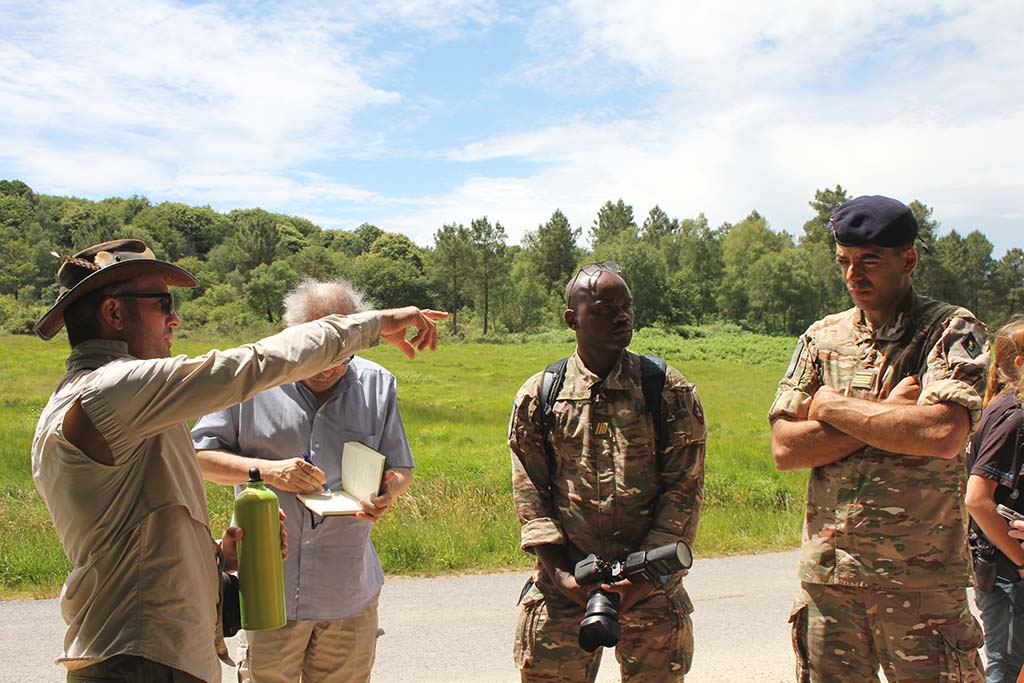
Conservationists chat to French soldiers about New Forest Cicada (Species Recovery Trust).
Licensed to trill
Pete Hughes, a volunteer for the trust who joined the mission to Brittany, said: "It was all very exciting: we had to hand in our ID at the gate, then had an interview with a Major about the project, then we went creeping around the grounds of this military base using ultrasound detectors to try to hear the male cicadas singing, so it did feel a bit James Bond."
New Forest Cicada was once found across southern England, with reports in the 1960s of hundreds of males singing in the New Forest.
Numbers declined throughout the 20th century and the last definite record was in 1996. It is thought that changes in habitat management may have precipitated the decline.
However, the species is still found across Europe, and in 2023 the Species Recovery Trust received funding from Natural England for a project to reintroduce the cicada using donor populations on the continent.
British and French conservationists team up
This year, Pete worked with French entomologist Kevin Gurcel and a group from Ligue pour la Protection des Oiseaux (LPO). After locating cicada population sites using ultrasound detectors to hear the males singing, they found and collected 20 samples of bracken which each had scars showing that a female cicada had laid eggs in the stem.
They wrapped the cuttings in damp cotton wool covered with tin foil to keep them hydrated on their journey back to the UK, making three bracken bouquets.
Paulton's Park zoo manager Samuel Hunt then constructed ingenious tiny vases to keep the stems hydrated while also covering the surface of the water so that, if the nymphs hatch out, they won't fall into the water but drop onto dry land.
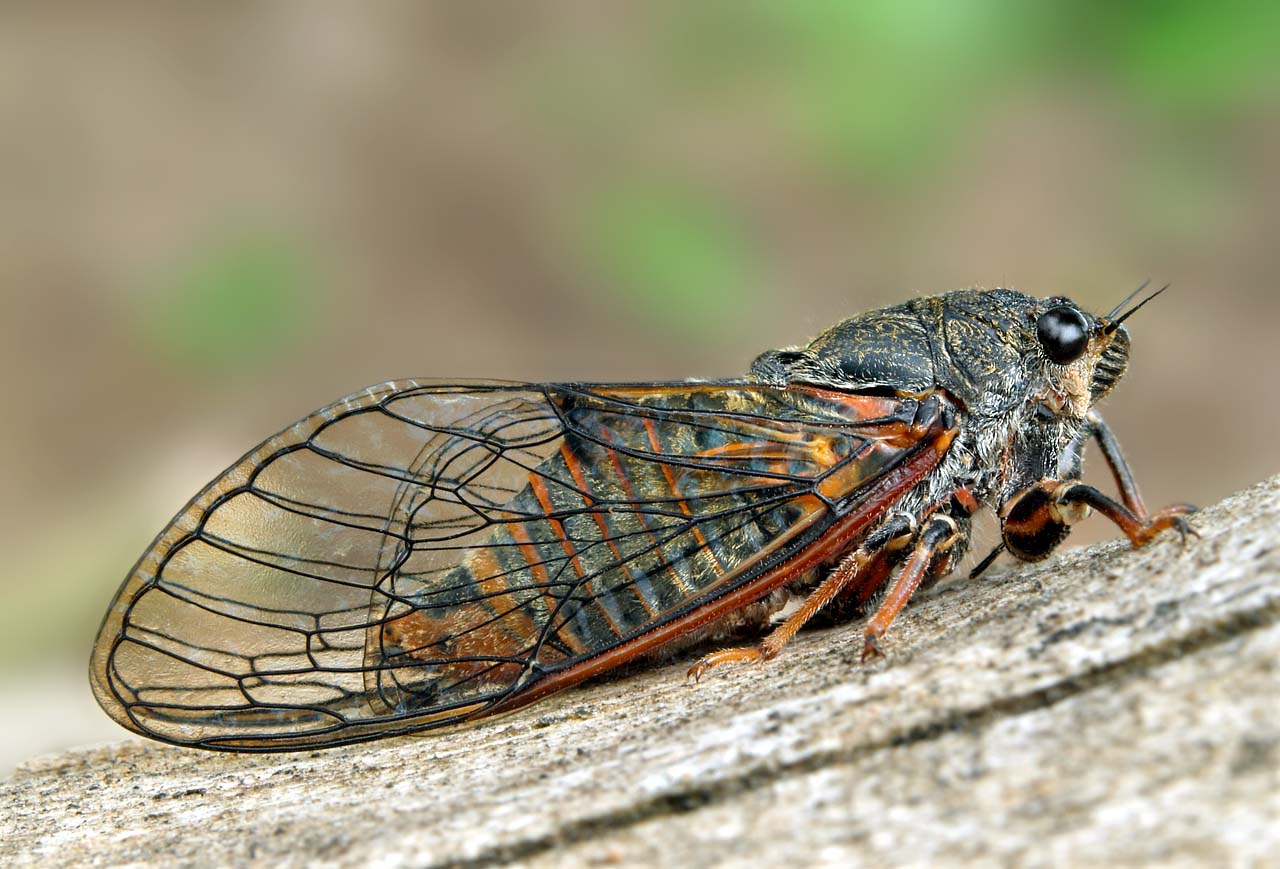
New Forest Cicada was last seen on UK soil in 1996 (Jaroslav Maly).
Long process
However, even if the experiment is a success and the eggs hatch, that is just the beginning: New Forest Cicada nymphs are thought to spend between four and 10 years underground feeding on plant roots before they emerge as adults.
As and when that happens, the Species Recovery Trust hopes to finally release the adults at a specially-chosen secret site in the New Forest.
Charlotte Carne, programmes manager at the Species Recovery Trust, said: "We're really excited about the project because, by rearing the cicadas in captivity first, we are learning a lot about their life cycle and behaviour, much of which is still a mystery even to experts across Europe.
"We are now able to look forward to a time when we can once again walk through the New Forest in summer and hear hundreds of cicadas singing their hearts out. Wouldn't that be amazing?"
