
June 2025 is fast becoming one for the ages in rarity terms, with the past week seeing no fewer than 20 new rarities unearthed across Britain and Ireland. While scarce overshoots dwindled to a trickle, headline finds keep coming and the BirdGuides mega alert sounded an incredible five times.
Perhaps the most exciting news emerged late on 9th: a probable Blue-cheeked Bee-eater on Iona, Argyll. A description of a "uniformly green" bee-eater with a "large tail projection" certainly seemed to match this species better than any alternatives and gambling on this news certainly paid off for a handful of eager twitchers the next morning, who were treated to the magnificent sight of a first-summer bird within minutes of arriving onto the island.
Unfortunately, there would be no sign on the island for later arrivals that afternoon, with fast-improving weather conditions presumably leading to a midday departure. A first for Argyll, it becomes the 11th British record. Records have been increasing across western Europe in recent years, and a more widely twitchable bird feels long overdue …
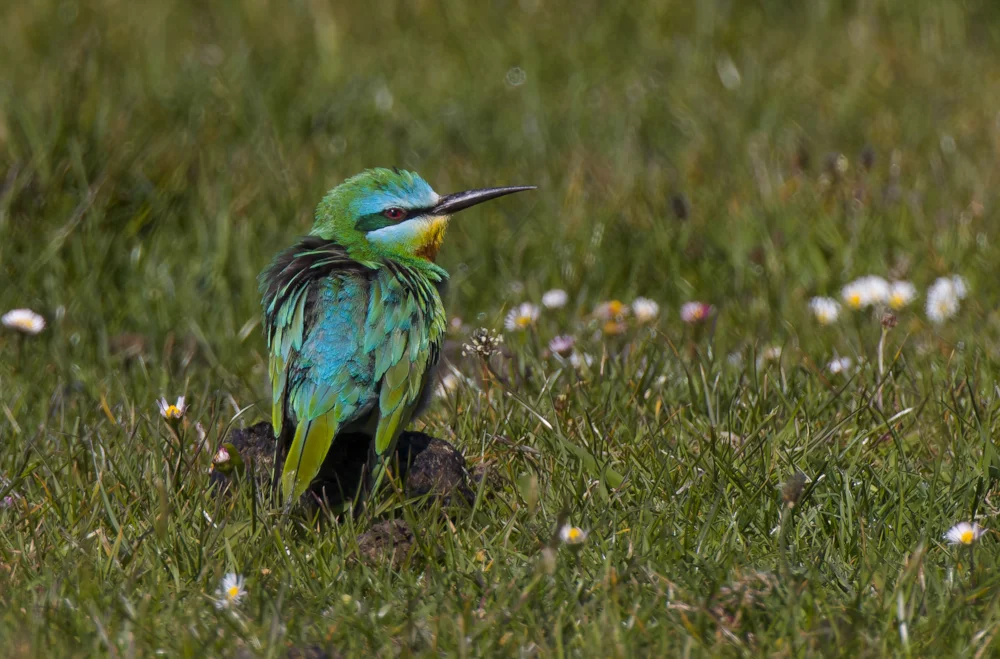
Blue-cheeked Bee-eater, Iona, Argyll (Alan Lewis).
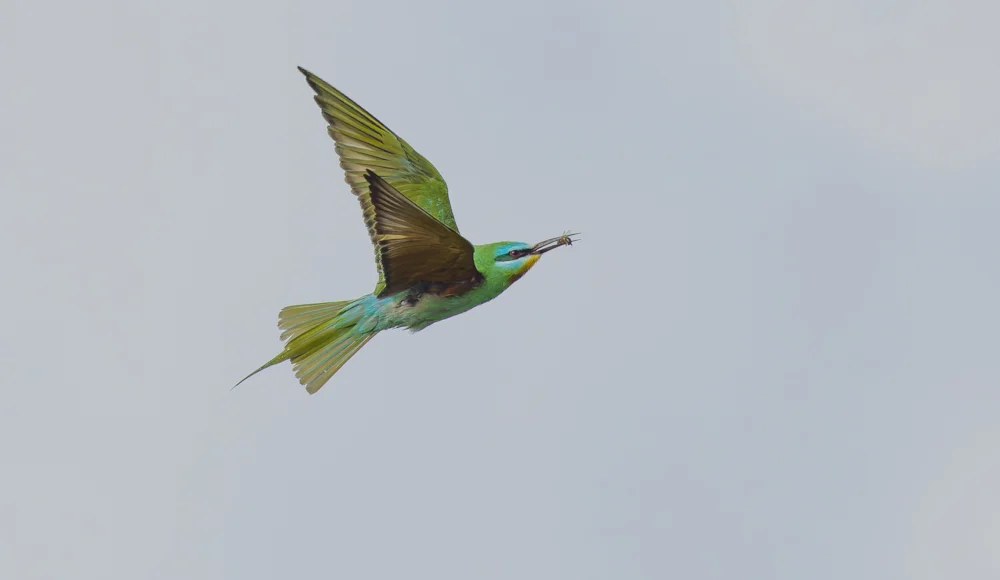
Blue-cheeked Bee-eater, Iona, Argyll (Alan Lewis).
On 12th, the discovery of a Broad-billed Sandpiper at Ythan Estuary, Aberdeenshire (first espied the previous day) was overshadowed by the shock announcement of a Bridled Tern over the site's ternery. It gave Scottish birders 10 hours to have a chance at connecting, before relocating to Coquet Island, Northumberland, the next day. It would linger for less than two hours this time around before putting in a brief appearance over Minsmere RSPB, Suffolk, on 14th. Its appearance at Coquet on 13th makes it all but certain to be the same individual present for 15 days last summer, which has summered in northern France since 2022. It returned to Île aux Moutons for 10 days in late April and early May, though has been absent without leave since then.
An unexpected find over the weekend comprised a first-summer male Desert Wheatear at Keynsham, Avon. It is quite an uncommon record in a historical context, with only one previous June record from Pentland Skerries, Orkney, on 2 June 1906. This belonged to the nominate deserti subspecies. March to mid-April is the species' typical spring arrival window, with the only other outlier occurring at Flamborough Head, East Yorkshire, on 3 May 1984.
Desert Wheatear, Keynsham, Avon (Lauren Tucker).
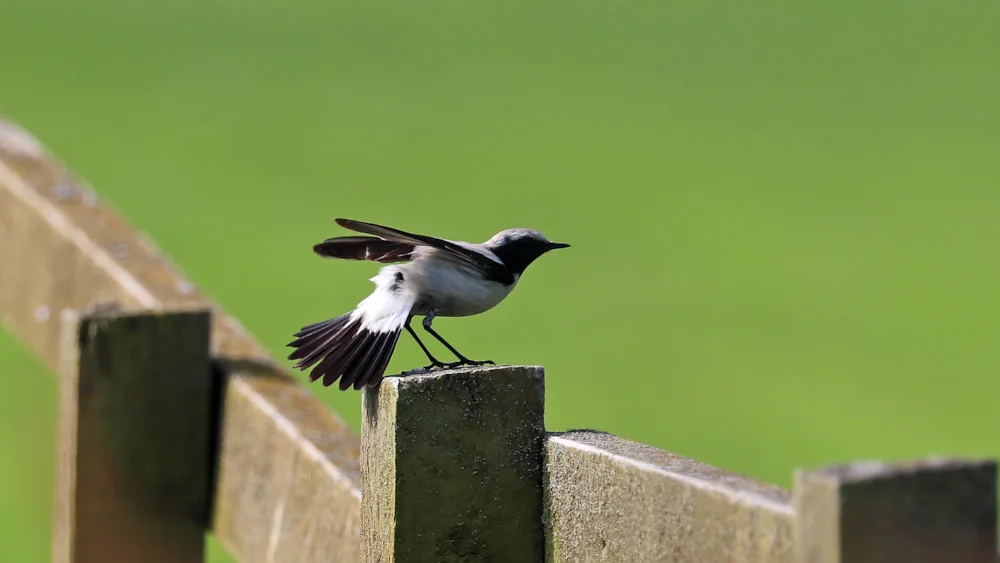
Desert Wheatear, Keynsham, Avon (Rik Addison).
To the chagrin of Kent birders, details of a singing male Western Orphean Warbler near Cliffe, Kent, on 11th had to be suppressed, as it was found on private land during a routine bird survey. There are only seven accepted records of this mega-rarity – most recently in Highland in October 2020 – and it becomes the first record for Kent. A young male Eastern Subalpine Warbler was ringed at Gibraltar Point, Lincolnshire, on 11th. Two Greenish Warblers in the Northern Isles were the first records of 2025, with one on Fair Isle joined by the island's fifth Great Reed Warbler of the 21st century. An Iberian Chiffchaff continued in Fife.
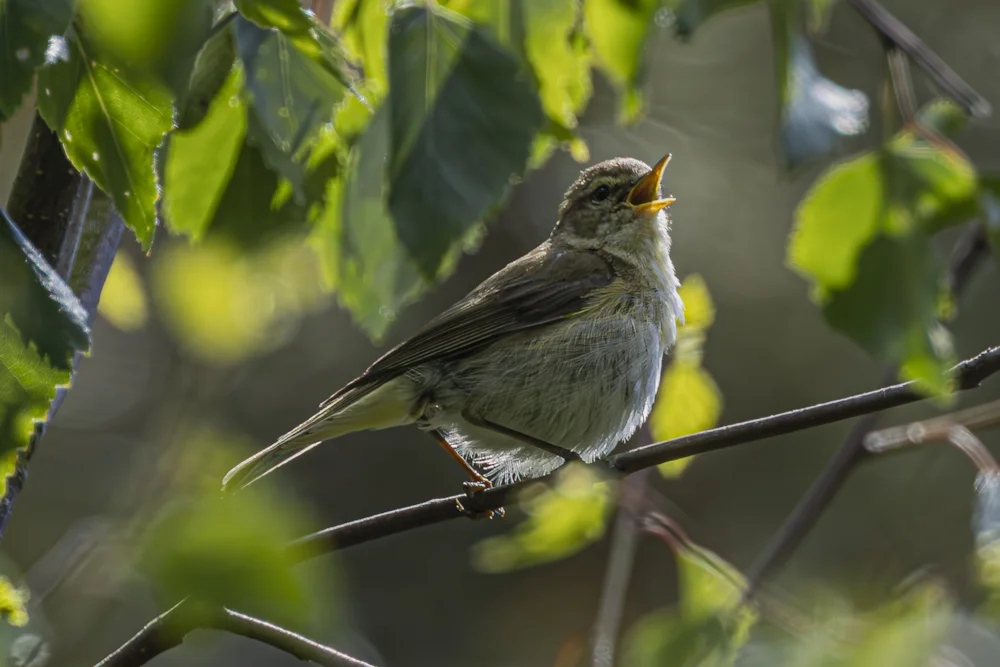
Iberian Chiffchaff, Tentsmuir, Fife (Keith Simpson).
With many of the week's biggest finds proving brief, it was the lingering Song Sparrow on the East Yorkshire coast that prompted the biggest twitch. After watchers on 9th drew a blank, it came as a surprise when it resurfaced on 10th. News broke early morning, giving twitchers from across Britain plenty of time to reach Thornwick Bay. It looked settled, providing plenty of prolonged views and bouts of song throughout the day, though it would again disappear overnight, with no further sign for the remainder of the week. It is the second Yorkshire record following one trapped and ringed at Spurn on 18 May 1964.
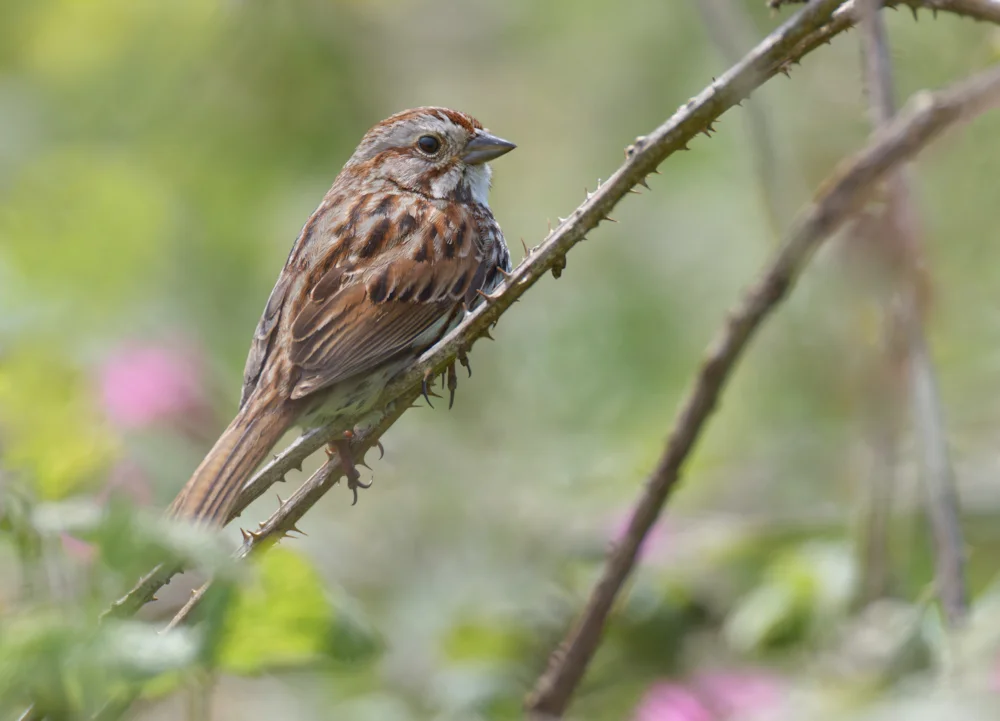
Song Sparrow, Thornwick Bay, East Yorkshire (Lee Johnson).
Incredibly, a female Ortolan Bunting in North Yorkshire was seen copulating with a male Yellowhammer. Three European Serins and two Rosy Starlings arrived in South-East England and the Cheshire Woodchat Shrike lingered until 13th, with one found in Dorset the same day. A notable European Bee-eater record saw two overfly Bebington, Cheshire, on 11th. Marton Mere, Lancashire, boasted a fleeting Eurasian Crag Martin and a Pallid Swift flew south over Spurn, East Yorkshire.
Woodchat Shrike, Daresbury, Cheshire (Karl Bishop).
A dark-morph Eleonora's Falcon over Walcott, Norfolk, on 10th is the county's third in just six years. News from the Northern Isles consisted of a male Snowy Owl on Eday, Orkney, and a first-summer Pallid Harrier on Unst, Shetland, with four Red-footed Falcons recorded in England and Wales.
News of two Little Bitterns emerged over the weekend, with a probable 'barking' male at Middleton Lakes RSPB, Warwickshire, followed by a female on St Mary's, Scilly. A Squacco Heron was flushed by a single lucky observer near Reach, Cambridgeshire, and a Black-crowned Night Heron was in Dorset, while two Purple Herons included one arriving in off the sea in East Yorkshire.
An excellent week for rare shorebird arrivals began with a Stilt Sandpiper at Portmore Lough RSPB, Co Antrim, on 11th. Shetland's second Black-winged Pratincole in four years was at Setter Marsh, Mainland, from 13th, while a moulting adult Pacific Golden Plover pitched down on the east coast at Greatham Creek, Cleveland, on 15th. Elsewhere were the Western Sandpiper still in Ayrshire and two Pectoral Sandpipers.
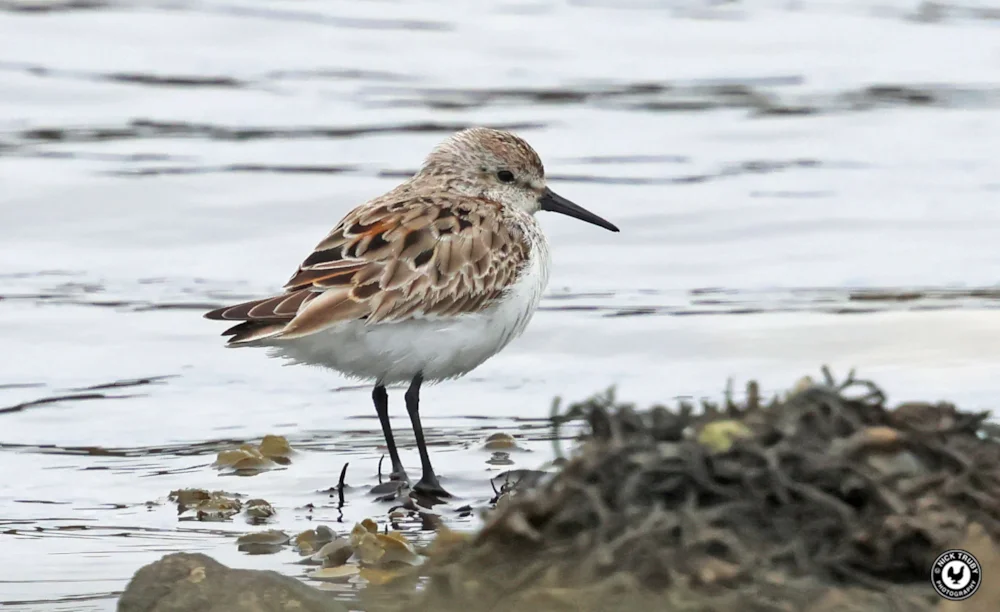
Western Sandpiper, Maidens, Ayrshire (Nick Truby).
An adult Caspian Tern wandered East Anglia from 13th, with the previous day delivering a Gull-billed Tern to North Uist, Outer Hebrides. Bonaparte's Gulls were in Cornwall and Orkney, with American Black and Least Terns lingering at their respective summer sites.
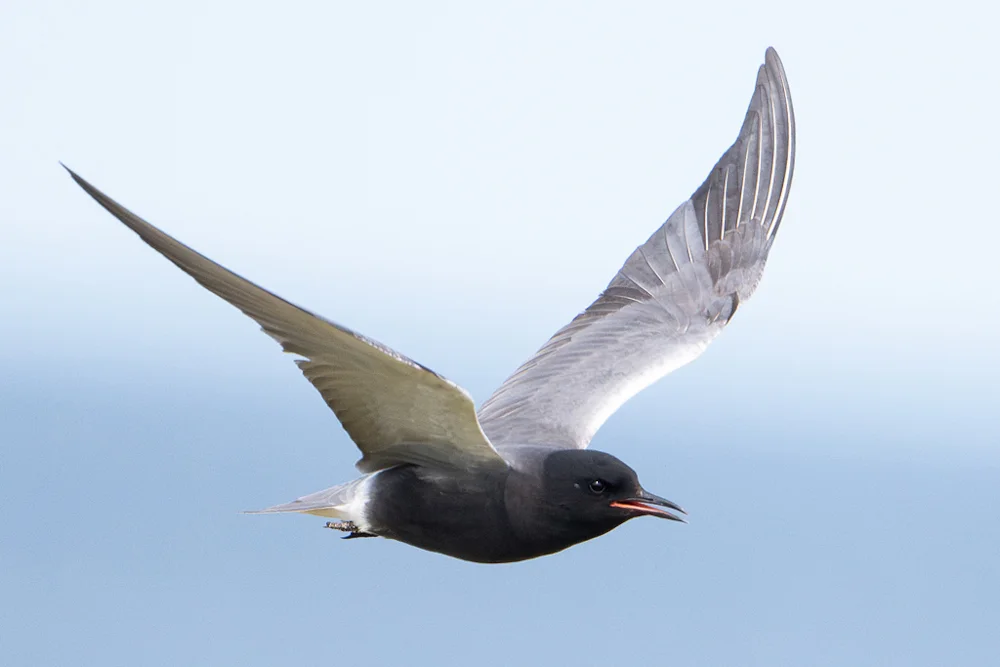
American Black Tern, Long Nanny, Northumberland (Ian Curran).
Recently relegated to subspecies level with the publication of AviList on 11 June, a North American Green-winged Teal was at Welney WWT, Norfolk. North Ronaldsay, Orkney, was the brief beneficiary of an American Wigeon. Even more unexpected was an unseasonal first-summer Smew in Norfolk.
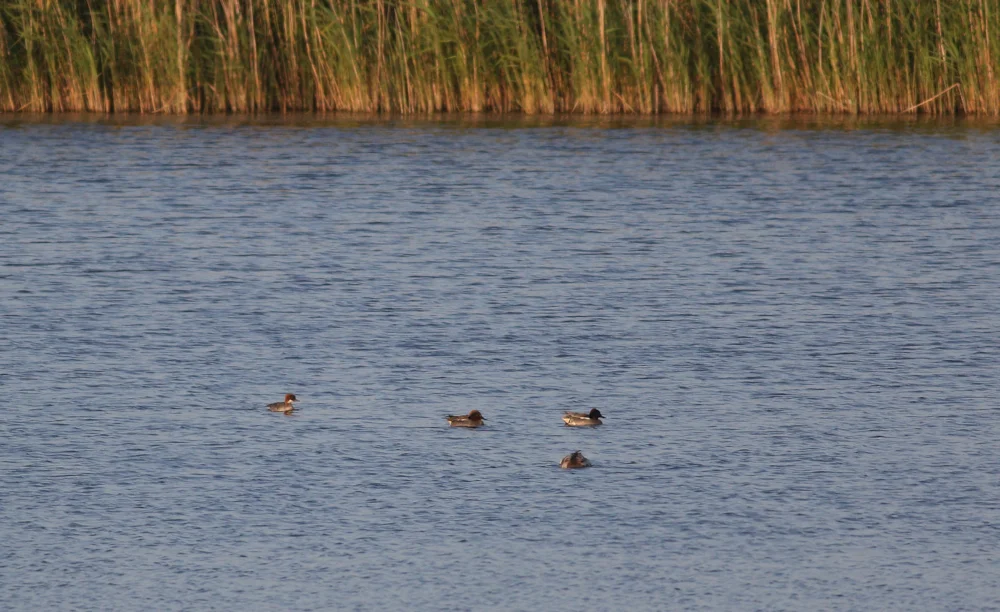
Smew (left bird) with Eurasian Teal, Strumpshaw Fen RSPB, Norfolk (Drew Lyness).
Western Palearctic
Incredible news out of Iceland comprised the nation's first Ancient Murrelet at Kópasker from 13th. For nearly 30 years, the returning adult on Lundy, Devon, between 1990 and 1992 stood alone as one of the most unexpected Western Palearctic vagrants of all time. Since 2021, however, there have now been records of at least three birds from four countries (Sweden and Finland in 2021, Spain in 2023 and now Iceland in 2025), leaving many British birders to ponder whether this High Pacific alcid may soon become unblocked. Ancient Murrelet is the second Pacific alcid to have been recorded in Iceland, after a Crested Auklet was collected off the northern coast in August 1912.
An excellent spell of Swedish rarity-finding saw a Dalmatian Pelican – a likely country first pending acceptance – near Östersund from 10-12th followed by a female Pallas's Reed Bunting – a national second – on Utlängan on 12-13th. These joined two lingering Wilson's Snipe in the country.
A Himalayan Vulture in Kuwait becomes the third regional record, following two last year (birds in Armenia in April and in Norway in October). Spectacled Eider in the Netherlands, Pacific Swift in Italy and two Elegant Terns in France all lingered, with an immature Laughing Gull new in Germany.
- Keep up to date with by-the-minute sightings updates of rarities, returning spring migrants and significant birds in your local area at www.birdguides.com/sightings or via the BirdGuides app. New users are entitled to a one-month free trial.

