
Happy New Year from BirdGuides. This year, the BirdGuides sightings team shattered all previous New Year's Day counts by sharing a massive 900 sightings reports by close of play – hundreds more sightings reports than posted by other providers – with 646 of those by 3 pm. This smashed the previous high total of 835 set in 2023.
Goose was certainly on the menu over the festive period. You'd have to be living under a rock to not notice the current influx of scarce geese across Britain and Ireland, and recent days have seen even more popping up in rather unusual locations. Just about any feral goose flock has the potential to draw in the two main stars of the influx: Russian White-fronted Goose and Tundra Bean Goose.
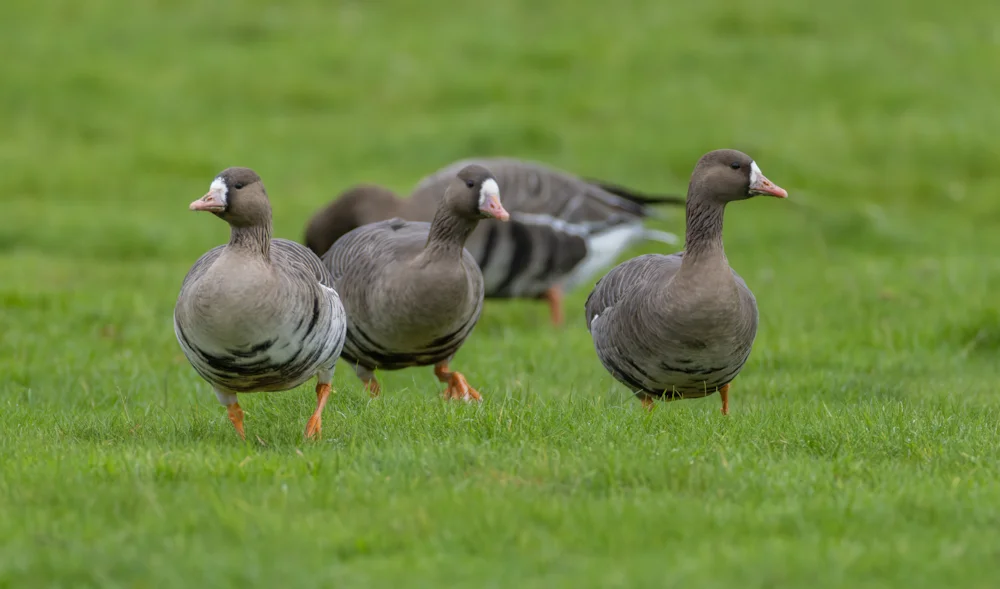
Russian White-fronted Goose, Blatherwycke Lake, Northamptonshire (Glyn Sellors).
The arrival began on Christmas Eve, coinciding with brisk, cold north-easterly winds, and it hasn't stopped since, only slowing down at times. The initial chunk of records came from southern and eastern England, though in the past week they're turning up all over Britain and even reaching Ireland. Astonishingly, more than 430 sites held Russian White-fronted Geese between 22 December and 4 January, signifying what is probably the most notable winter for this species in recent British birding history. Equally amazing were Tundra Bean Goose at some 140 sites. A super flock of 542 Russian White-fronts at Cantley Marshes RSPB, Norfolk, on 28th was more akin to a scene in the Netherlands. Tundra Bean Geese also grouped together in large numbers: Kent had flocks of 32 and 18, Norfolk a flock of 31 and Suffolk boasted 40 birds together. It's impossible to estimate how many of each have arrived, although 27 December saw 2,545 Russian White-fronted Geese counted by the BirdGuides sightings team.
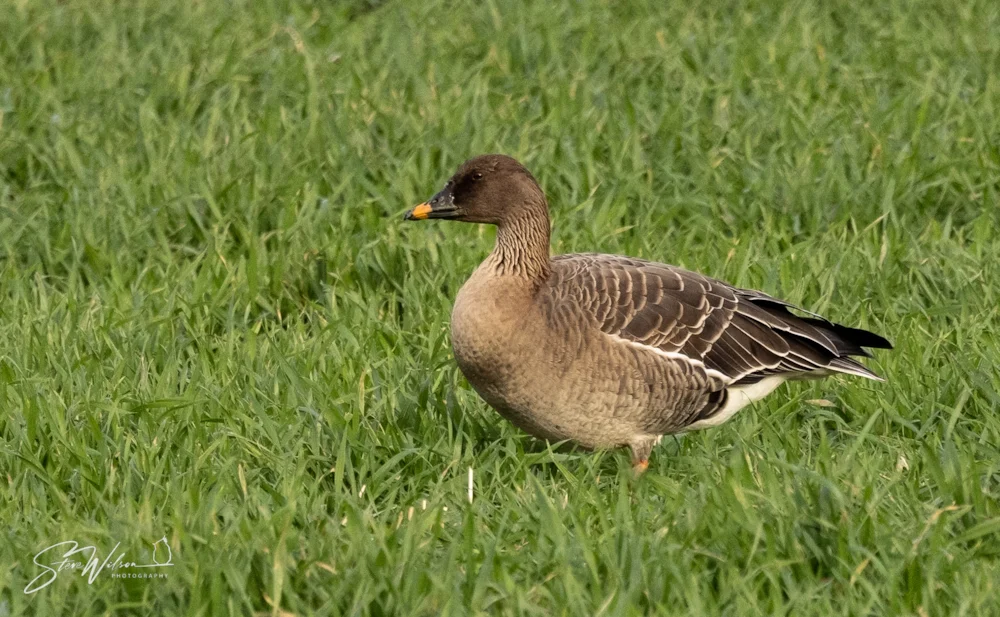
Tundra Bean Goose, Tring, Hertfordshire (Steve Wilson).
Some 'shiny' geese were found too, leading to a white Christmas in Lincolnshire. Our very own dear leader Josh Jones must've been a good boy during the year, as Santa gifted him a white-morph adult Snow Goose clinging to a herd of Icelandic Whooper Swans at Tongue End on Christmas Eve. Initially remaining distant in the first few days, it was then discovered in the Whooper Swan roost at Deeping Lakes on New Years Day. It stayed faithful to the nearby area during the daytime over the subsequent days, giving some brilliant views near the roadside. It was one of the most twitched birds over the Christmas period, unsurprising when you think how far south the bird is. It makes for ann ideal opportunity to catch up with one, and you'd suspect that an Arctic wandering bird hitching a ride with some Icelandic Whooper Swans would be as good as it gets in a genuine vagrancy context.
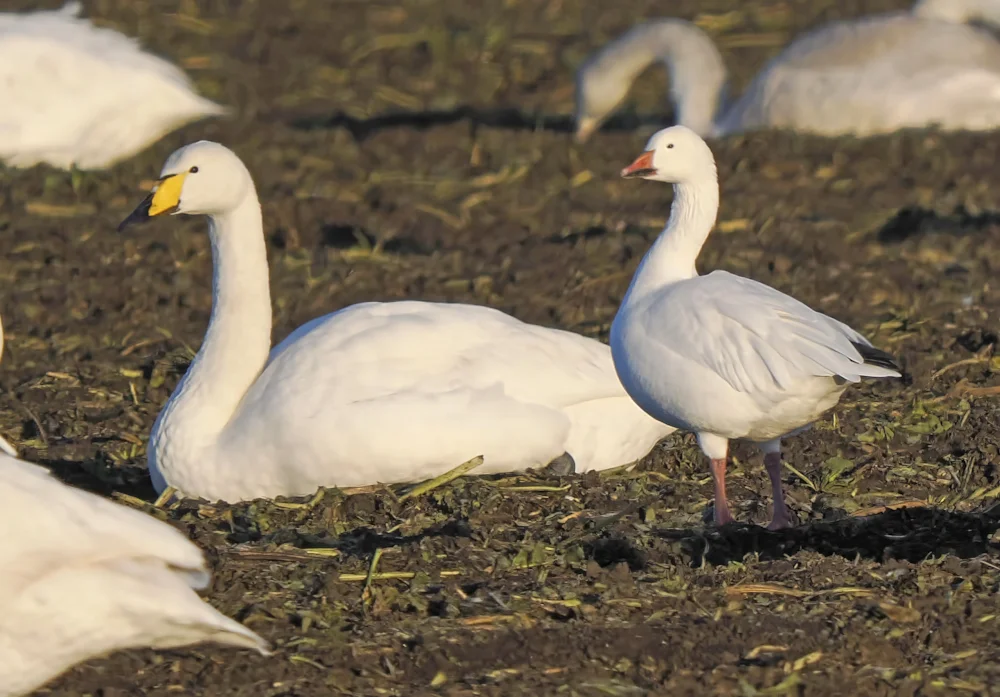
Snow Goose (right) with Whooper Swans, Deeping Lakes LWT, Lincolnshire (Mark Joy).
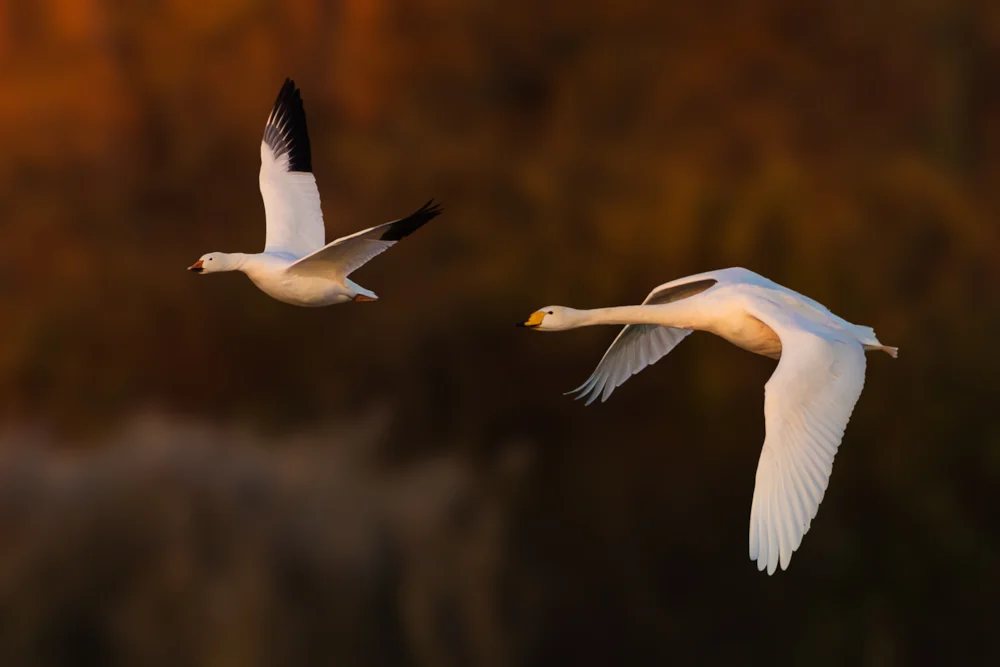
Snow Goose (left) with Whooper Swan, Deeping Lakes LWT, Lincolnshire (Will Bowell).
Amid the bean goose records, a welcome challenge appeared at North Point Pools, Norfolk. For all intents and purposes, the bird resembles a female Taiga Bean Goose. It had a Whooper Swan-like jizz, extensive, chunky orange bill, and even the wet grassland habitat it was sticking to all pointers towards this species. The main issue lies in its size, though; it wouldn't be unreasonable to call this bird a runt, barely bigger than the Russian White-fronted Geese it was associating with.
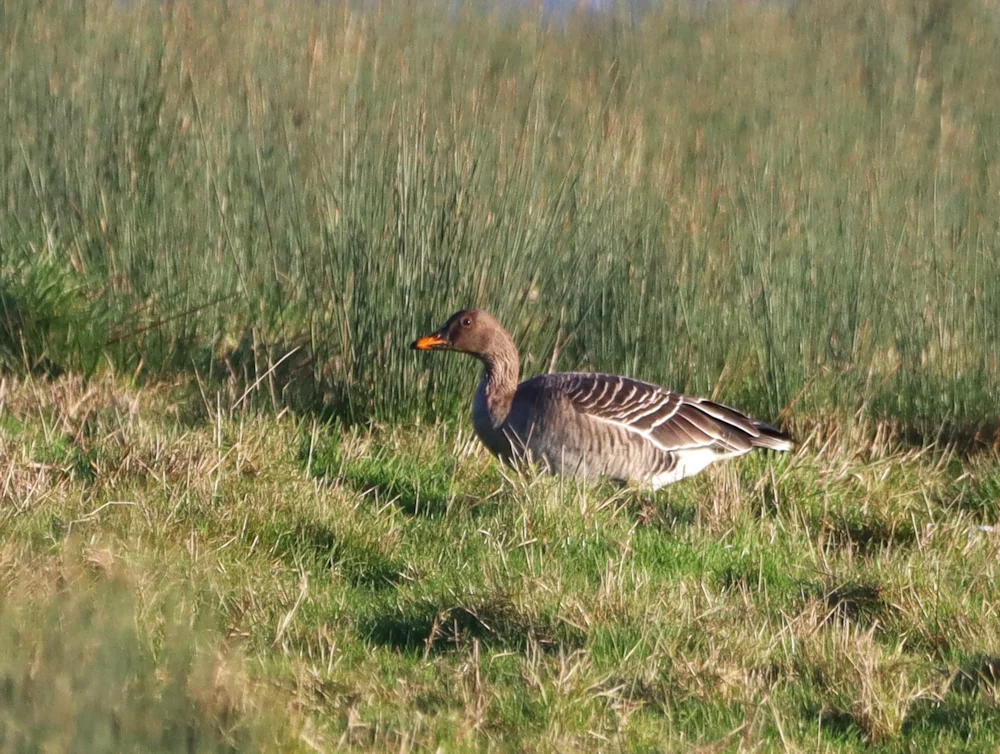
Probable Taiga Bean Goose, North Point Pools, Norfolk (David Griffiths).
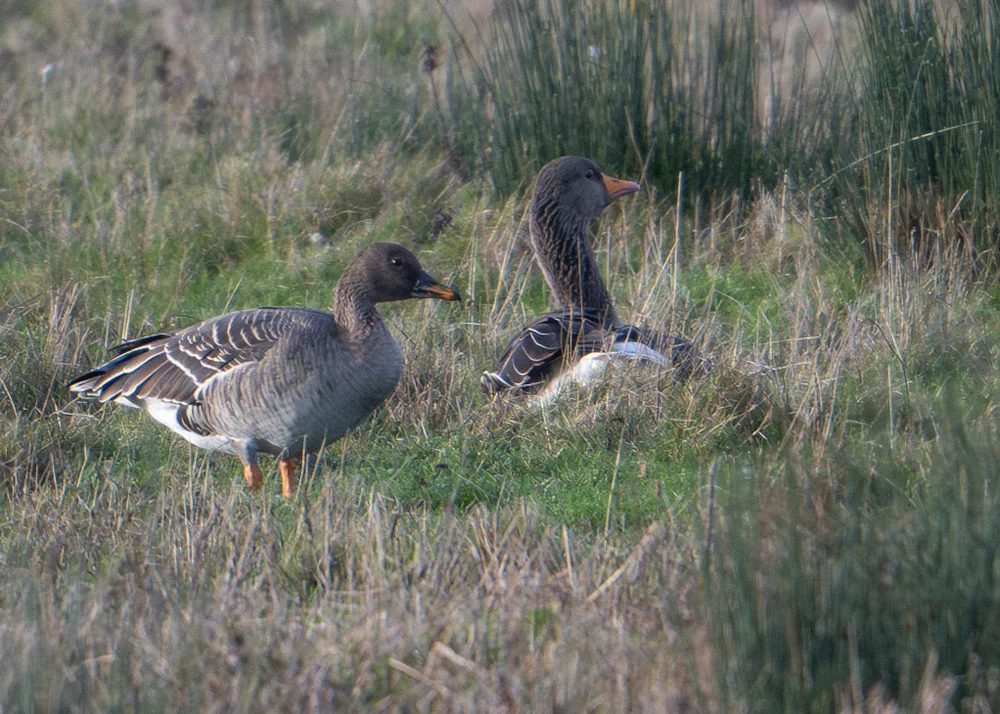
Probable Taiga Bean Goose (left) with Greylag Goose, North Point Pools, Norfolk (Ian Curran).
An adult Ross's Goose with Pink-footed Geese at Muir of Ord, Highland, from 28th arguably has better credentials than the lingering adult in Argyll, given its adopted carrier species, and is quite possibly the same Aberdeenshire bird from earlier this winter. Seven Richardson's Cackling Geese (two in Argyll, two in Co Donegal, two in Co Sligo and one in Co Mayo) were reported, plus another of unknown origin at Venus Pool NR, Shropshire. Five other Snow Geese of decent credentials were across Britain and Ireland, two Todd's Canada Geese were still in Co Sligo, and Taiga Bean Geese were at seven sites.
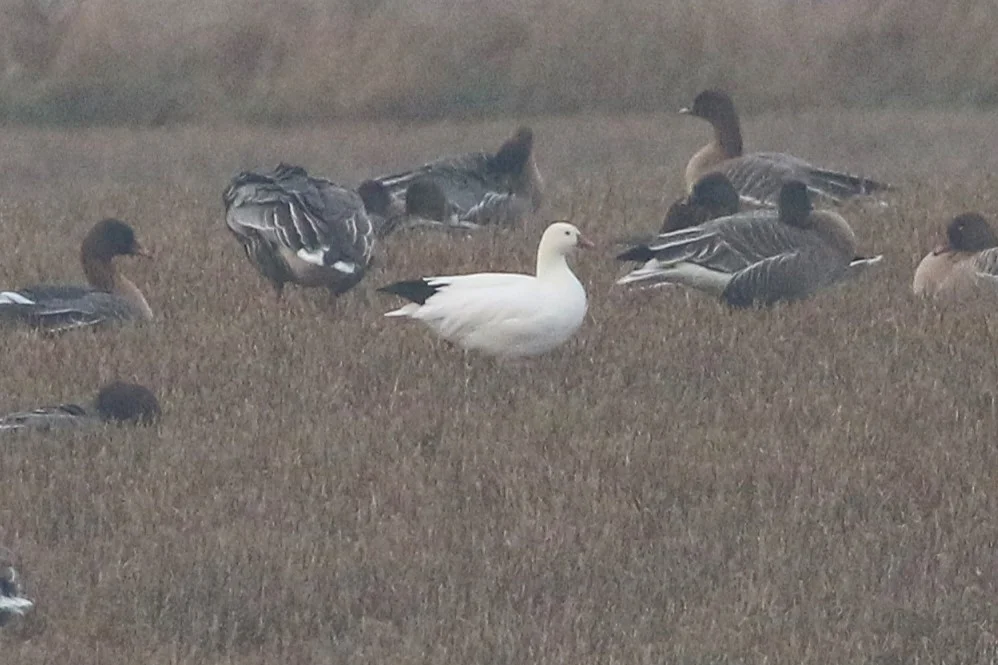
Ross's Goose (centre) with Pink-footed Geese, Muir of Ord, Highland (Mark Dawson).
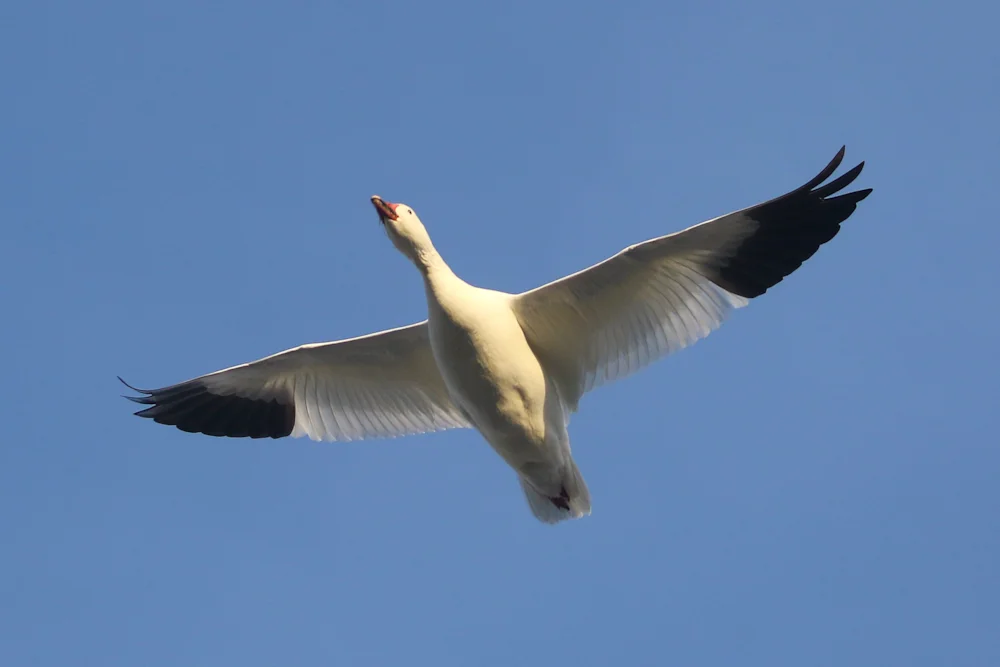
Snow Goose, Insh Marshes RSPB, Highland (Mark Dawson).
The cold snap brought over other birds from the continent, too. It's exciting, and feels akin to one of the great winters of the past. Smew have become remarkably scarce in the past decade; what was once a standard winter fixture has now become exceedingly difficult to find, even though I recall seeing flocks of them on local gravel pits (and I'd like to think I'm not that old)! You have to wonder if we had these weather conditions a couple of decades ago, just how many Smew would have crossed over to Britain? Nevertheless, 32 sites recorded Smew during the festive period, most notably a pair in Poole Harbour, Dorset, and flocks of nine and six in Leicestershire and Essex respectively.
Bewick's Swans have suffered even more, with huge population crashes in recent years. It's been enjoyable to see reports of a few in atypical areas this week, with 46 sites noting birds (though there was likely some overlap). Two even made it across to Tacumshin, Co Wexford. This is the best opportunity in a long time to find one in your local haunts. Red-necked Grebes are showing up on a few inland reservoirs, as are plenty of Greater Scaup, Great Northern Divers and Red-breasted Mergansers.
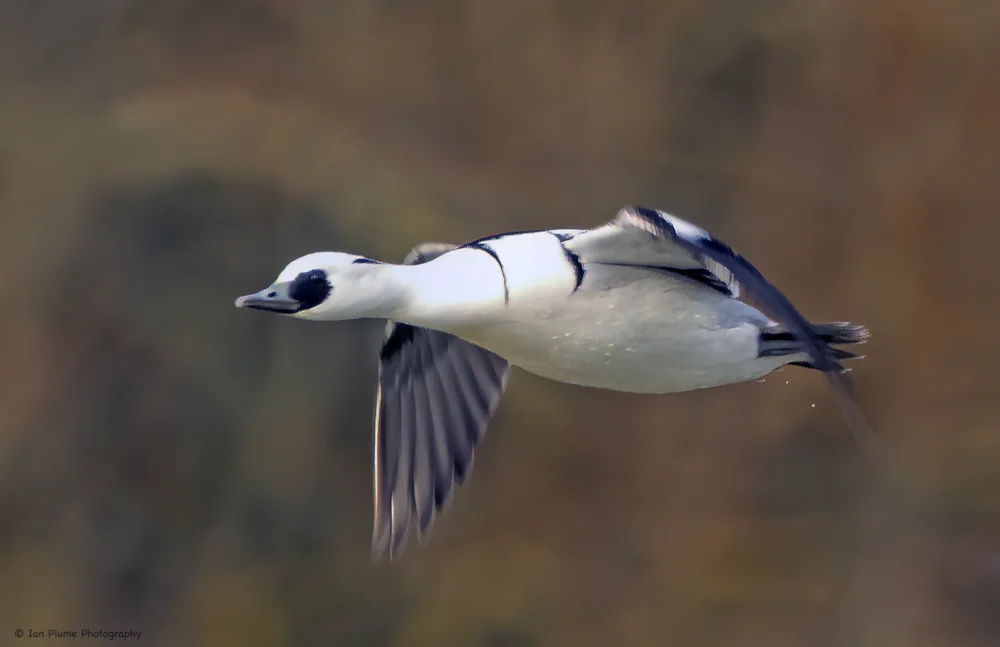
Smew, Abberton Reservoir, Essex (Ian Plume).
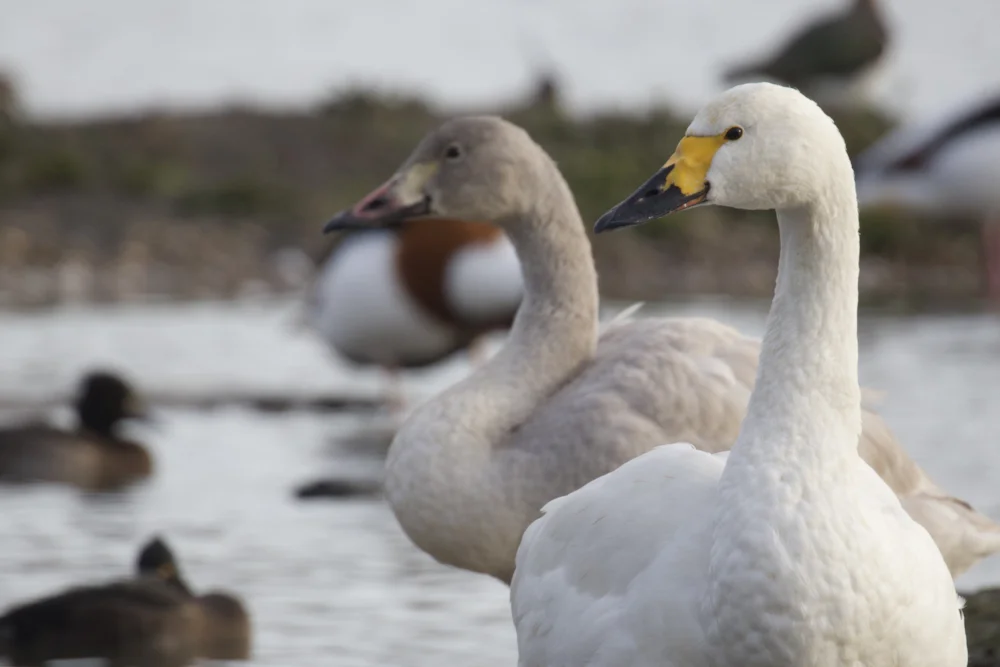
Bewick's Swans, Slimbridge WWT, Gloucestershire (Jasper Smith).
The two-week period ended with a North American-shaped bang, with a Pied-billed Grebe detonating the explosion at Tacumshin, Co Wexford, on 3rd. The fallout didn't stop there, though. Birders searching for the grebe the following day felt another shockwave, in the form of an American Coot. Both are surely overlooked species in Britain and Ireland.
Got extremely lucky this morning, went to wexford for the Bewick’s and a Pied Billed Grebe gets reported! pic.twitter.com/gAodNrJeWu
— Sean Gibson (@Bonsai_goat) January 3, 2026
Pied-billed Grebe, Tacumshin, Wexford (Sean Gibson).
Excellent trip down south with the legends that are @miskelly_billy and @Robbo63
— Daniel Newton (@PrecipiceNewton) January 4, 2026
No sign of yesterday’s Pied-billed Grebe at a frozen Tac, but we were lucky to be on the spot when an American Coot was found! A bonus Bufflehead and a Caspian Gull made for a very successful day! pic.twitter.com/PmJE27E7Cr
We've been blessed with a flurry of Bufflehead in recent weeks. Kenfig NNR, Glamorgan, graced us with a delightful female-type on New Years Eve. The bird stayed for the whole day, and surely won't have any issues with the records committee. Assumedly, the same bird was found at Wexford Harbour, Co Wexford, on 4 January, where it became a county first. Both adult drakes remained in Caernarfon and Co Kerry throughout, both giving some nice views to those who desire them. Confirmation of three Bufflehead roaming around Britain and Ireland; bonkers stuff!
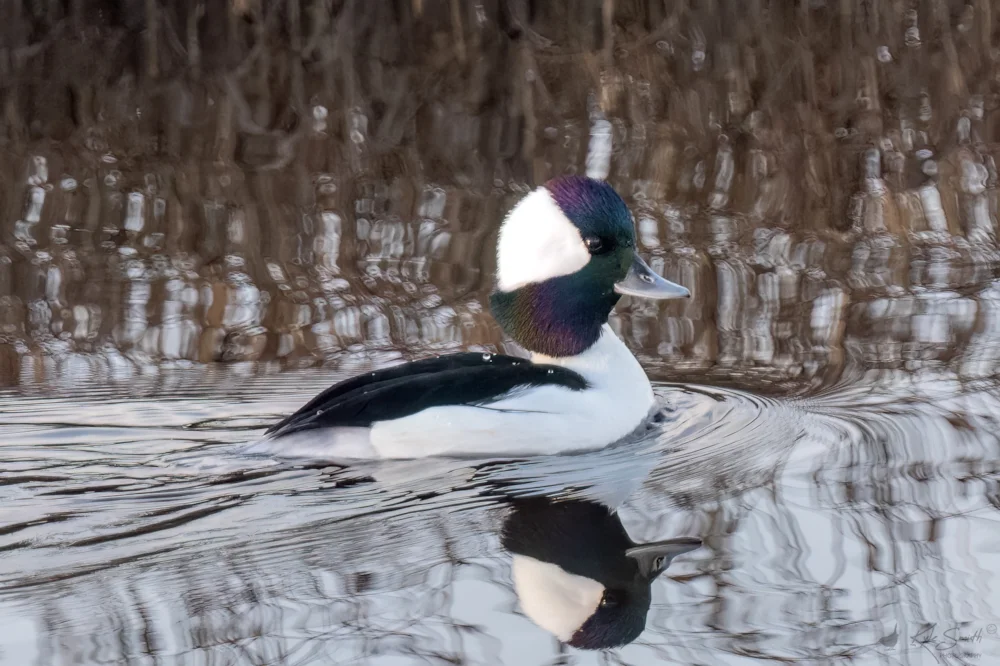
Bufflehead, Foryd Bay, Caernarfon (Kyle Smith).
Clearly wrote the year off too quickly, dash over to Kenfig today for this female Bufflehead.
— Toby Carter (@_TCartz) December 31, 2025
That'll be a wrap on 2025 now, with 5 lifers - Desert Wheatear, Least Sandpiper, Song Sparrow, Sitting Cisticola & this Bufflehead leaving me on 396 BOU (after recent changes) pic.twitter.com/sWdcG7g50i
You could make a case for the two first-winter Hooded Merganser found at New Hythe GPs, Kent, on 4th, given the supporting cast. In reality, they are unlikely to make the grade, however, give the location, confiding nature, and that they’re sharing a lake with five Fulvous Whistling Duck.
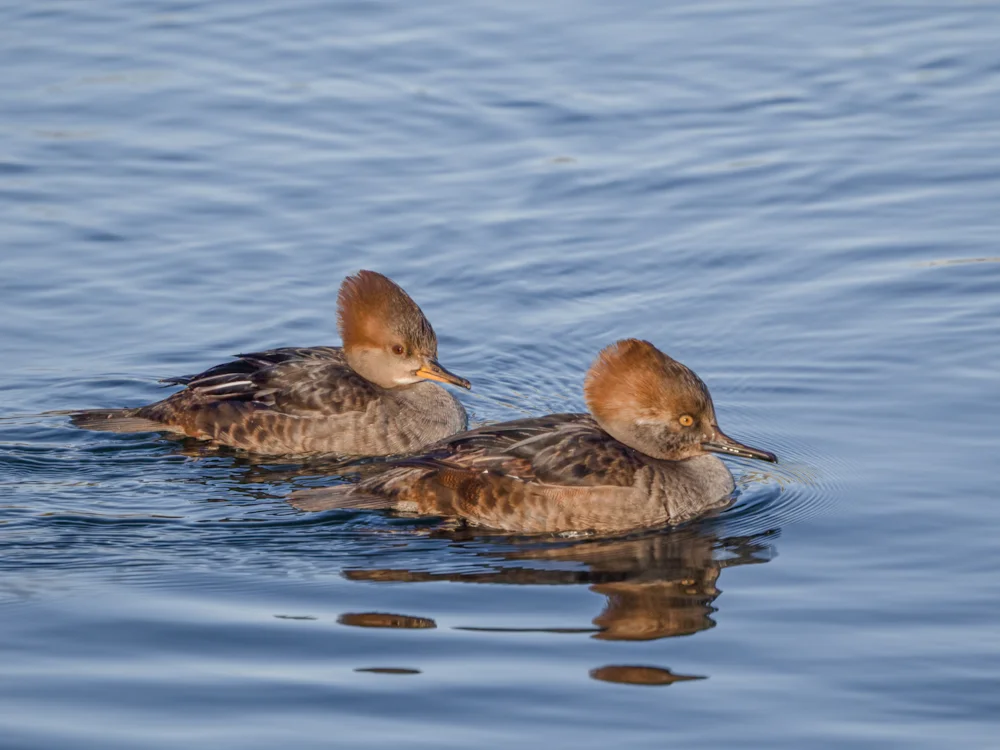
Hooded Mergansers, New Hythe GPs, Kent (Terry Laws).
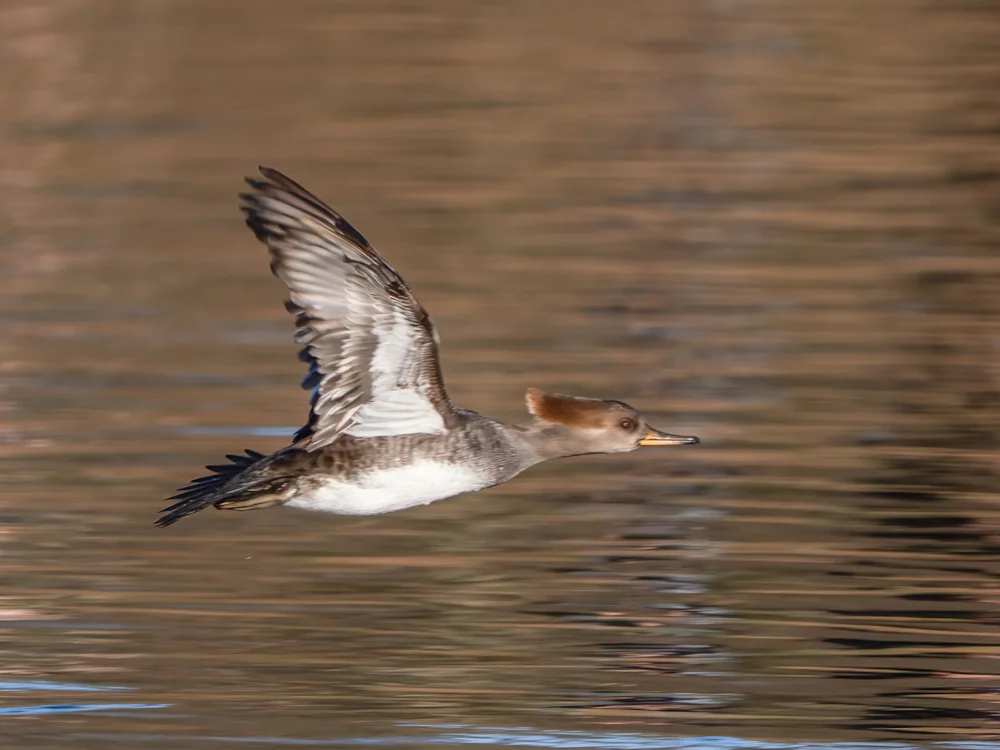
Hooded Merganser, New Hythe GPs, Kent (Terry Laws).
A first-winter drake Baikal Teal with Eurasian Wigeon at Waungron, Glamorgan, on 3 January surely won't be deemed unworthy by the rarity committees. Interestingly, observers considered it to be different and less advanced to the one in Dorset at the start of the winter. Co Donegal's drake Harlequin Duck was still in situ throughout, as well as two King Eider (Highland and Shetland) and drake Black Scoter still in Highland, and at least three drake White-winged Scoter were still mobile around the Firth of Forth. Lesser Scaup were still aplenty, no fewer than 11 were recorded, including birds in Shropshire and Carmarthen. At least five Ferruginous Duck were moving around in the southern half of England, though it is getting increasingly hard to keep track of the presumably dodgy birds. Totals elsewhere compromised of 10 American Wigeon, 43 Ring-necked Duck, 27+ Green-winged Teal and eight Surf Scoter. Wintering Pacific Divers continued off Cornwall and Co Mayo, and the faithful Double-crested Cormorant was still in Co Leitrim.
Twitched the Baikal Teal today at Castell Duu - was a nice vibe and not many there. Bird showed well at times although distantly. Another decent bird for Glamorgan pic.twitter.com/vxtuXcCopK
— Mathew Meehan (@mathew_meehan) January 3, 2026
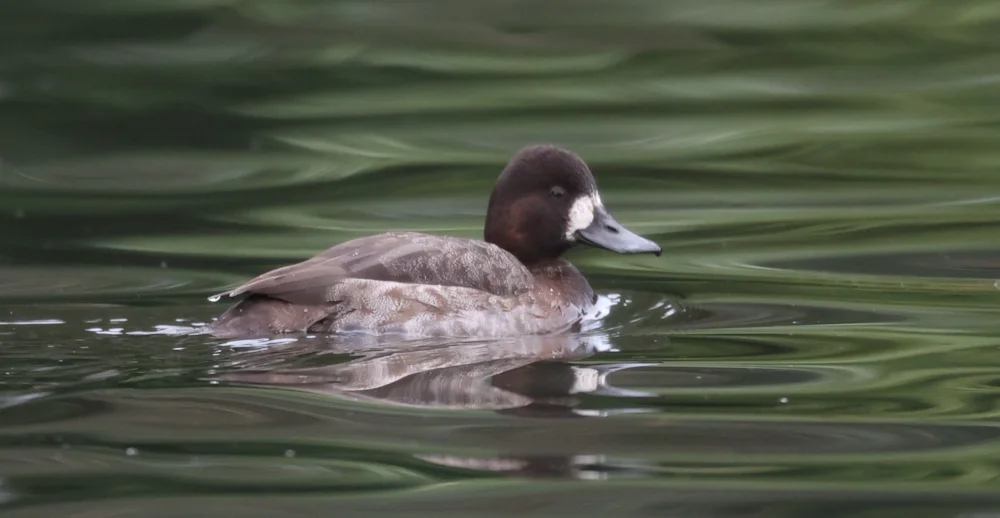
Lesser Scaup, Helston, Cornwall (Steve Hopper).
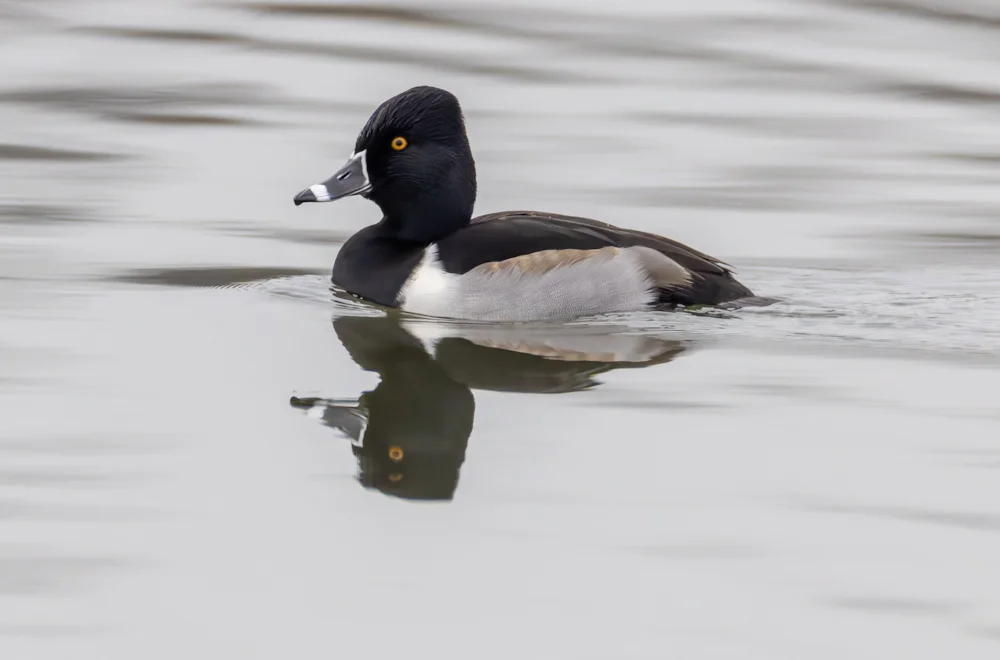
Ring-necked Duck, Shipley CP, Derbyshire (Glyn Sellors).
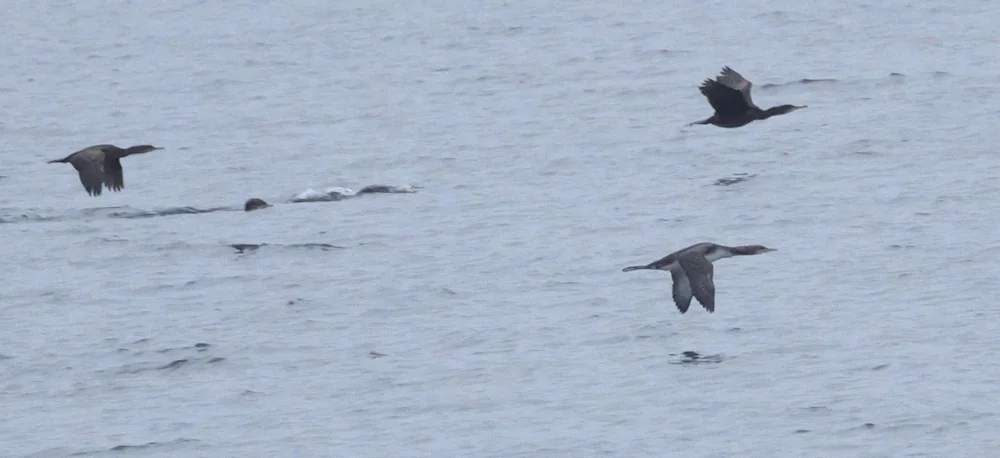
Pacific Diver (bottom right bird) with European Shags, Belmullet, Mayo (Pat Lonergan).
The star rarity of the period goes to the appearance (or reappearance) of a Black-winged Kite in the Norfolk Broads at Ludham Bridge. It was a stellar Boxing Day find and not something you would normally associate with cold-weather birding. Alongside at least three Zitting Cisticolas in Suffolk that lingered into the New Year, it certainly feels representative of the new era of British birding. As with other Black-winged Kite records in the past couple of years, it has remained pretty distant, though this one has been the most reliable yet (and the longest staying). Maybe both species will become a regular fixture in winters to come.
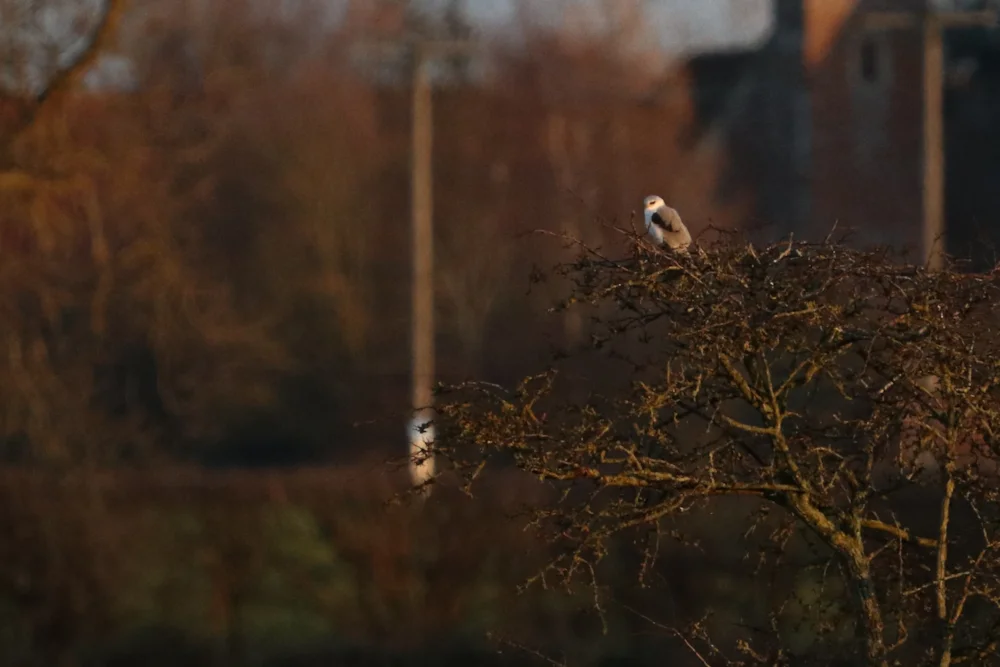
Black-winged Kite, Ludham Bridge, Norfolk (Oscar Lawrence).
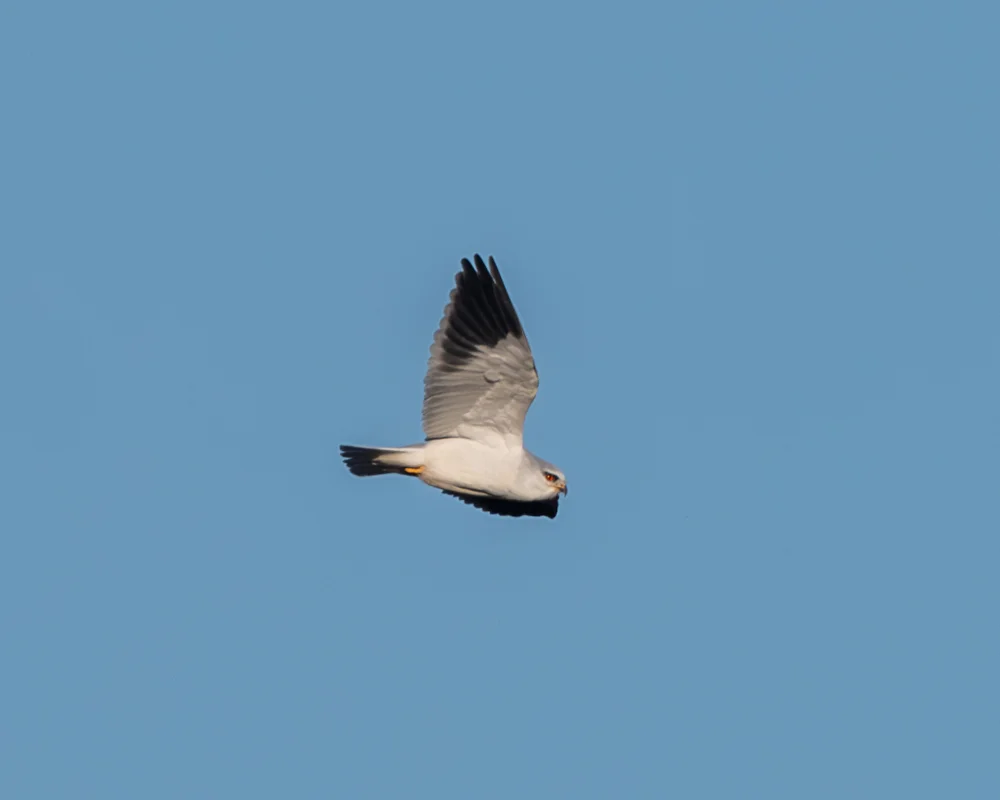
Black-winged Kite, Ludham Bridge, Norfolk (Tom Hines).
The persistent cold fronts worked some magic in Kent: a beautiful rose-washed adult Ross's Gull you've ever seen at Swalecliffe on New Years Day was followed by a male Siberian Thrush reported at Seasalter on 3rd, though its brief appearance in a private area made it a frustrating record for the twitching fraternity. Gallingly, the Ross's Gull was never seen again, though there must be high hopes for any east-coast birders this week. Would another Ivory Gull be too much to ask for?
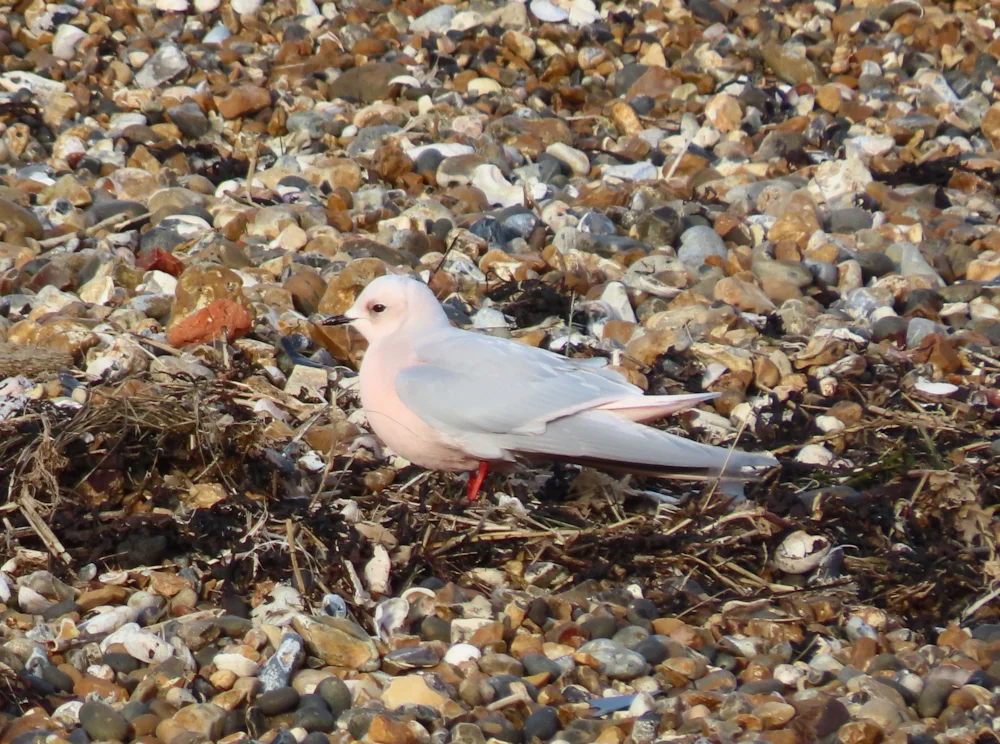
Ross's Gull, Swalecliffe, Kent (Geoff Burton).
One of the most enjoyed birds of the period was a dapper first-winter male Eastern Black Redstart at Sheringham, Norfolk. Typically confiding, it continues a nice run of these radiant maestros, with a second male still residing at Filey, North Yorkshire, too. You shouldn't be put off by their subspecies status; these are such super birds to watch, and any keen birdwatcher in Britain must simply have a look at one if they get the chance.
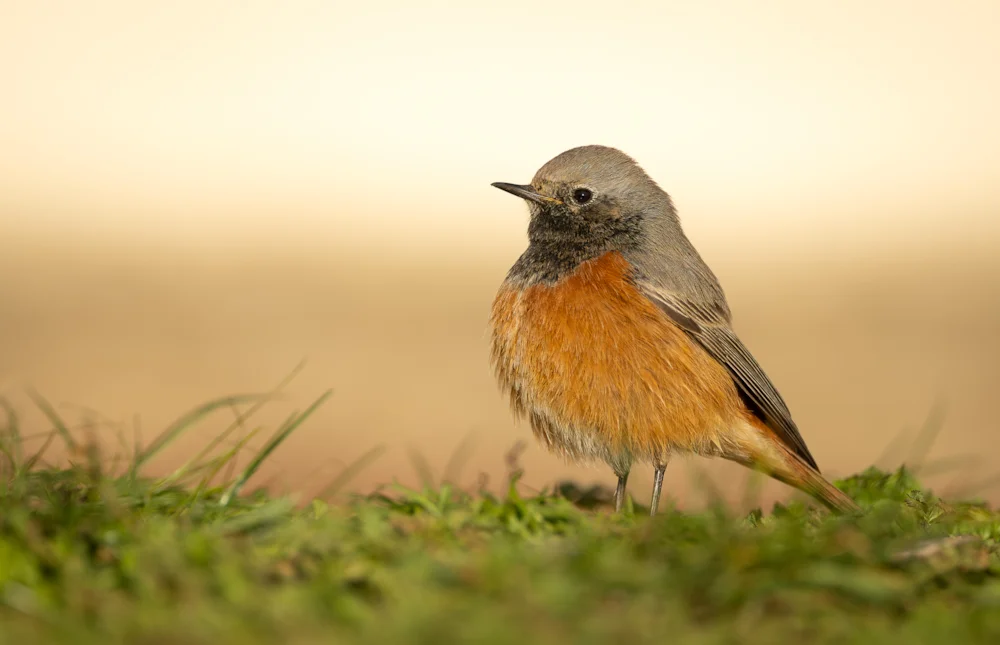
Eastern Black Redstart, Sheringham, Norfolk (Steven Fryer).
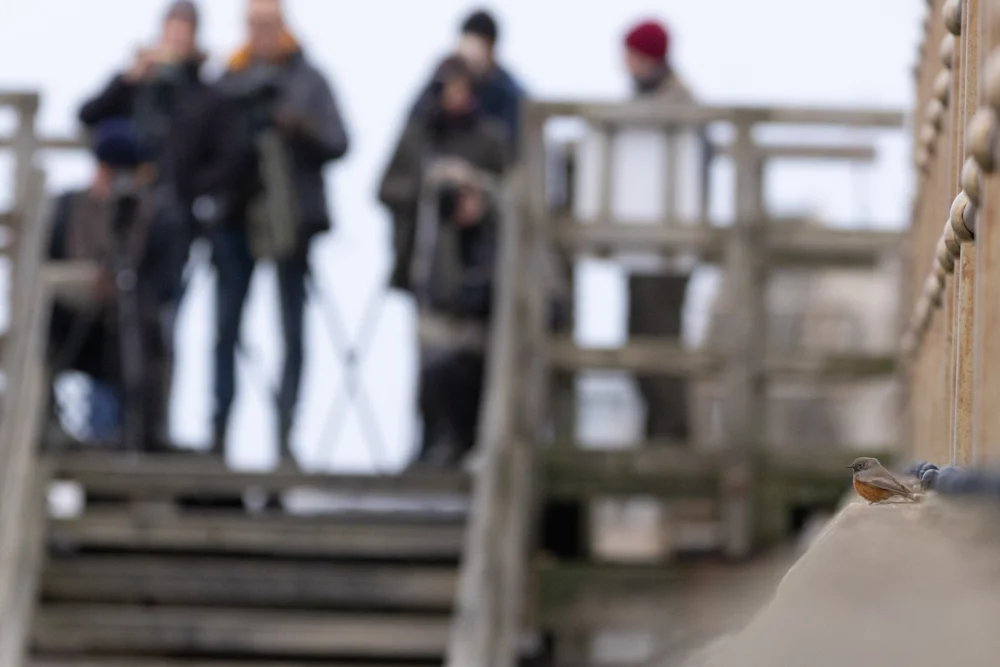
Eastern Black Redstart, Sheringham, Norfolk (Cohen Garwood).
A Red-flanked Bluetail at Nethy Bridge, Highland, from 29-31st felt very unseasonal, as did the brief, unexpected record of an Isabelline/Red-tailed Shrike at Flamborough Head, East Yorkshire, on 22nd. The three first-winter Eurasian Penduline Tits remained faithful at Aust, Avon, for the small crowds. Strangely, given the appropriate weather for Great Grey Shrikes, only four birds were recorded over the past two weeks (North Yorkshire, Norfolk, Hampshire and Ceredigion), which feels pretty concerning to say the least.
My grandad said 'that's a funny looking Robin' moments later I was looking at this extraordinary red-flanked bluetail! Seen today at nethy Bridge Scotland! pic.twitter.com/FptnoCinND
— James Richard (@JDPhotography24) December 29, 2025
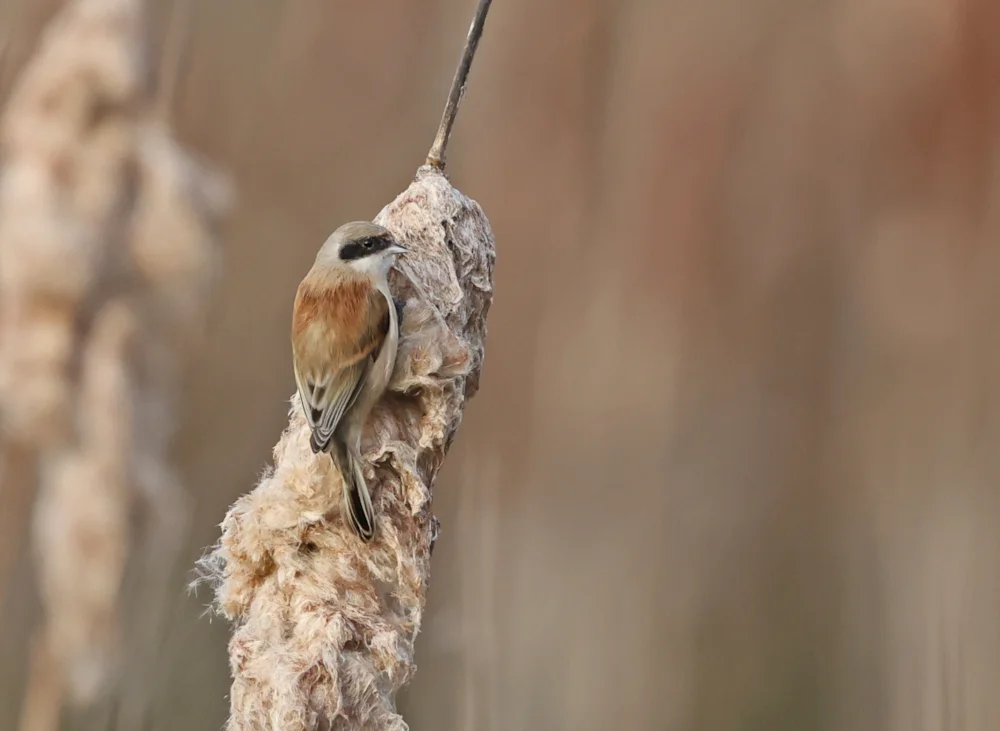
Eurasian Penduline Tit, Aust, Avon (Mark Leitch).
Hoopoes were in Suffolk, Co Kerry, and, most bizarrely, in Orkney. Remarkably, the latter bird was photographed in thick snow. Cleveland's Richard's Pipit stayed elusive. The Black-bellied Dipper in Norfolk settled into a bit of a routine, most reliably seen leaving its roost below Bintree Mill, and the Great-tailed Grackle was still happy in Hampshire.
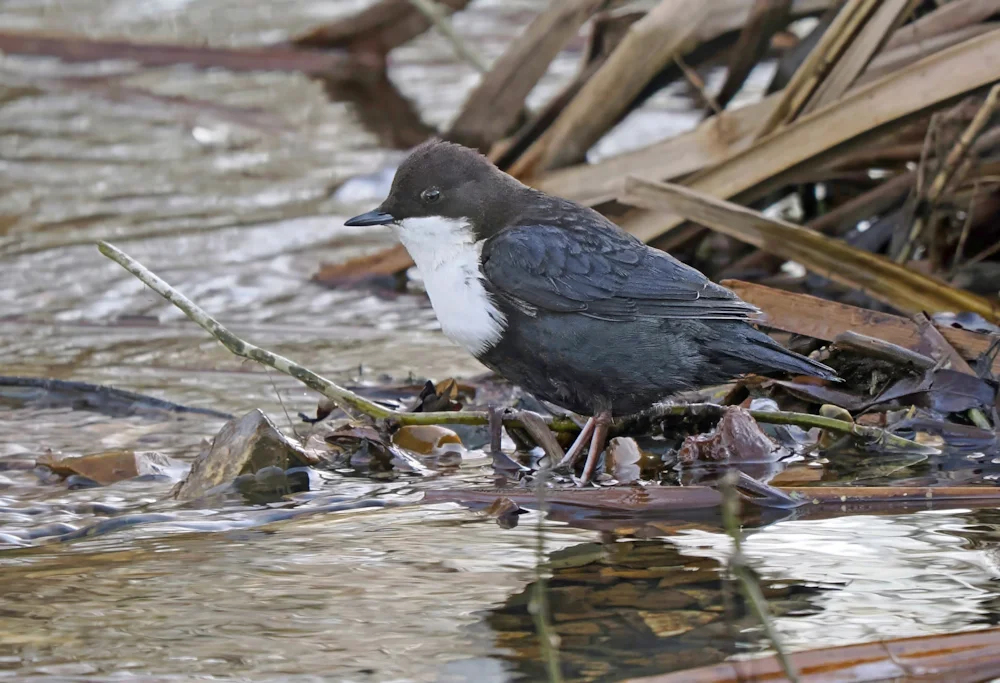
Black-bellied Dipper, Bintree Mill, Norfolk (Mark Joy).
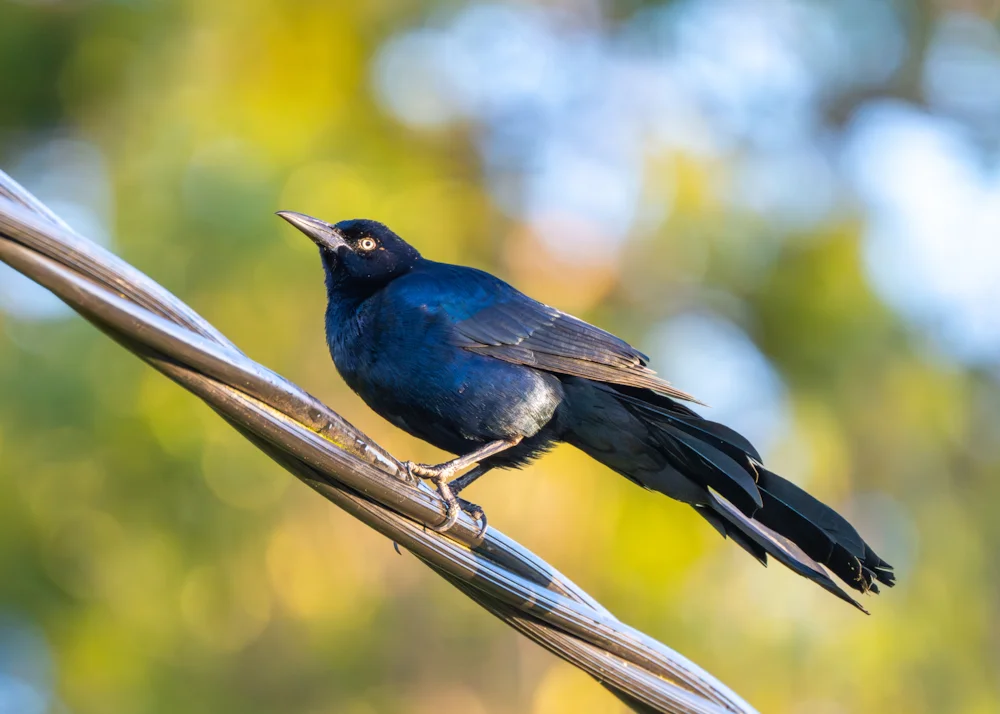
Great-tailed Grackle, Holbury, Hampshire (Tom Hines).
Two Hume's Leaf Warblers were still in Norfolk, with a new bird in a garden in Oldbury, West Midlands, making for a highly notable inland occurrence. Yellow-browed Warblers are proving they are more than comfortable overwintering here in Britain, including popular birds in the West Midlands, Warwickshire and Hertfordshire. Dusky Warblers continued in Cornwall and Co Waterford, plus a new bird in Dorset on 4th. A Pallas's Warbler in Cornwall on the same date shows that there are probably a few birds hiding in Britain at the moment. Northern Long-tailed Tits were still at a couple of sites in Shetland.
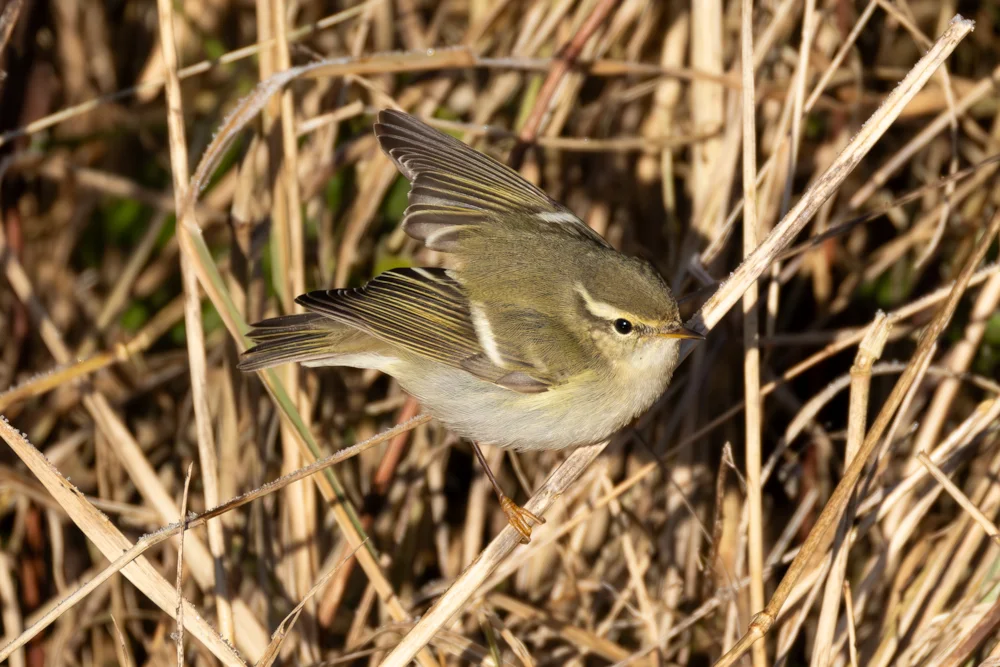
Yellow-browed Warbler, Hurley, Warwickshire (Stephen Stroud).
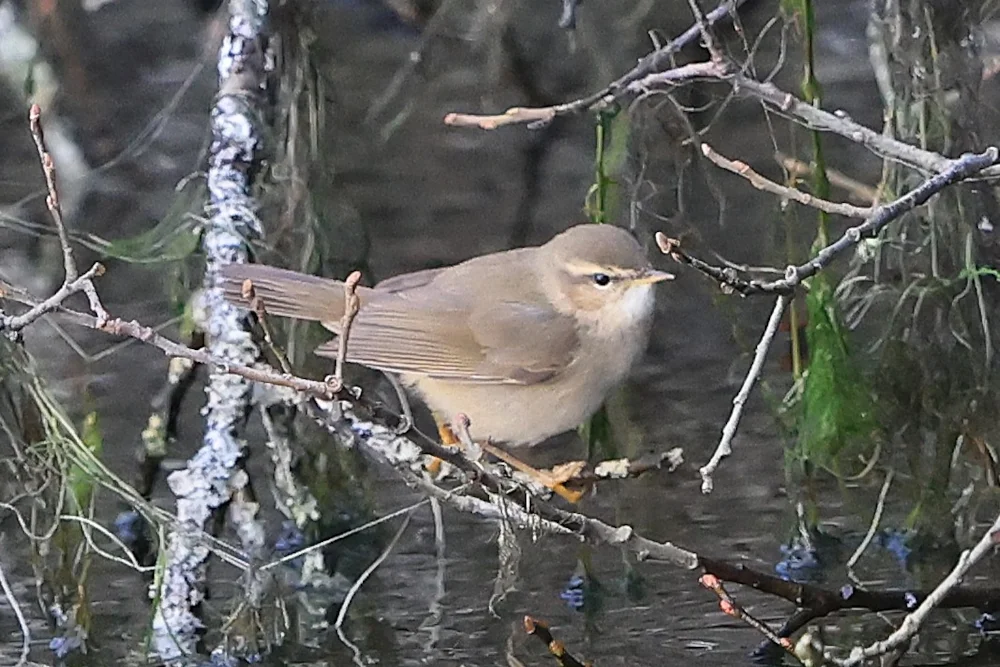
Dusky Warbler, Boscathnoe Reservoir, Cornwall (Adrian Lea).
Gull records seemed to have picked up a bit in the cold weather, a Franklin's or Laughing Gull flying north over Carr Vale NR, Derbyshire, on Boxing Day would be a popular bird if it decides to find a consistent roost somewhere in the Midlands. Perhaps the most interesting gull of the period, though, was an unprecedented discovery of an apparent adult Bonaparte's × Black-headed Gull hybrid in Cork City, Co Cork. A remarkable, head-scratching bird, though a seemingly perfect amalgamation of the two species. For those curious how it came to this conclusion, features such as the vibrant red base to the bill and legs are unheard of in winter-plumaged Bonaparte's Gulls. The black trailing edge to the primaries also suggests Black-headed Gull. Apart from that, the 'Frankenstein's monster' resembles a Bonaparte's Gull for the most part, when accounting for structure, size, jizz and plumage. What a fascinating bird, and it provides some intrigue about what the returning wintering adult Bonaparte's Gulls in Britain and Ireland get up to during the summer. They're clearly nestling in with Black-headed Gull breeding colonies somewhere. Actual Bonaparte's Gulls were found at Wet Moor, Somerset on 30th, and Annagh Marsh, Co Mayo, on New Year's Eve, with lingering birds in Argyll and Co Antrim. A total 11 Ring-billed Gulls were reported, the bulk in Ireland, though three on the Hayle Estuary, Cornwall, was an impressive record for modern times. White-winged gulls picked up with the sharp winds, no fewer than 27 Glaucous Gulls and 16 Iceland Gulls were reported.
Went to see this interesting gull found in Cork city yesterday by Alex Lynch. It seems most likely to be an adult Black-headed x Bonaparte's Gull, a very rare pairing and not conclusively proven anywhere as yet, as far as I can see, but with two strong candidates from Spain and France.
— Harry Hussey (@harryhussey.bsky.social) 1 January 2026 at 21:07
[image or embed]
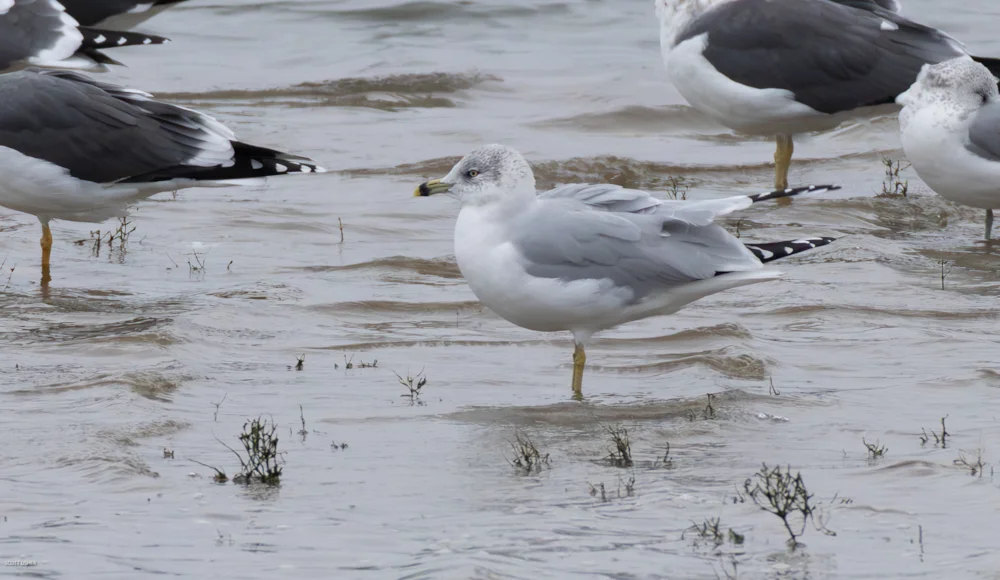
Ring-billed Gull, Hayle Estuary, Cornwall (Scott Usher).
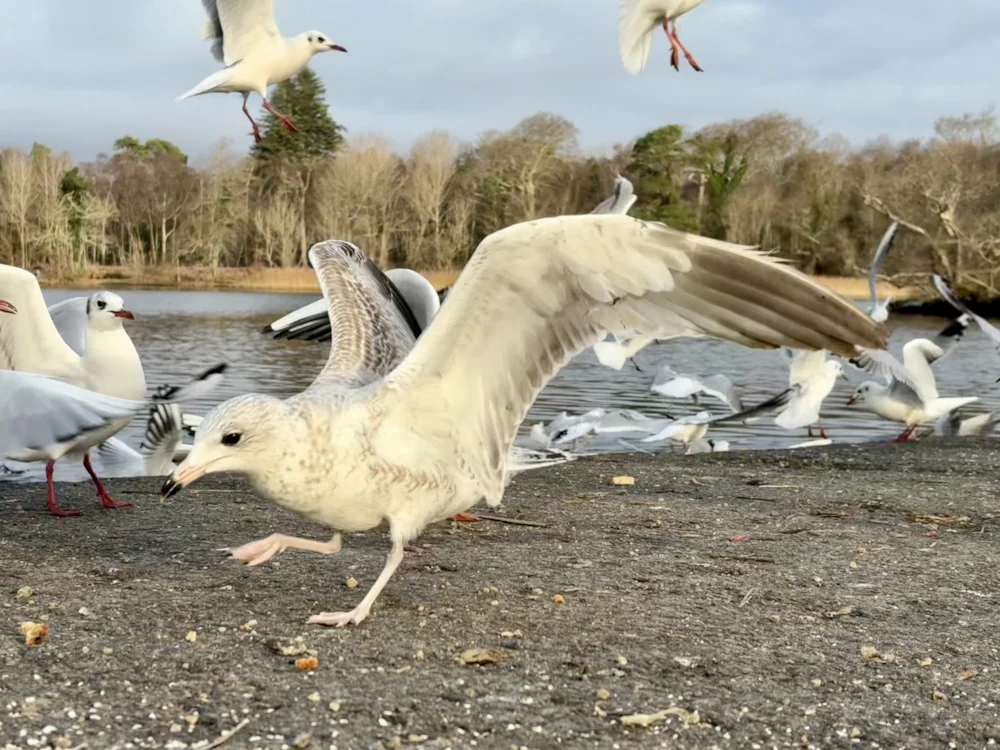
Ring-billed Gull, Sligo, Sligo (Robin Sandham).
A Long-billed Dowitcher was found at Tacumshin, Co Wexford, on 2nd, with one still in Angus. It was a surprisingly good spell for Lesser Yellowlegs under the radar, with new birds at Rhyl, Flintshire, and Martlesham Creek, Suffolk, in addition to birds persisting in Cornwall and Co Antrim. Lingering waders included Semipalmated Sandpiper in Co Clare, Spotted Sandpiper in Co Kerry, Kentish Plover in Somerset. Photographs of the Suffolk Temminck's Stint showed it looking utterly bizarre feeding in the snow; I can't imagine that has happened many times before in Britain.
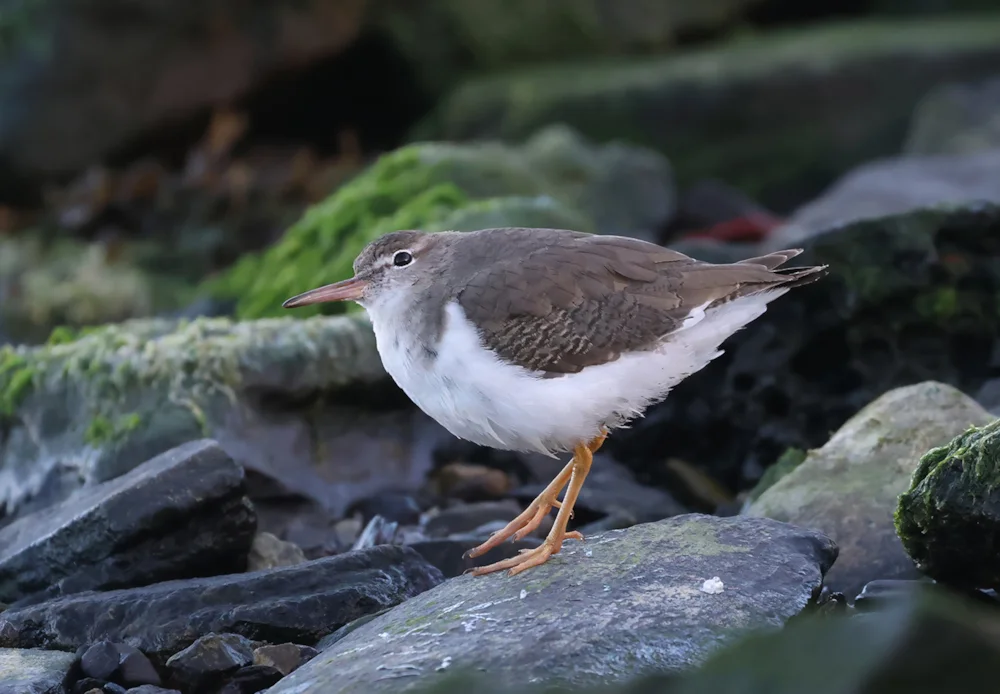
Spotted Sandpiper, Ballynagaul, Waterford (Richard Mills).
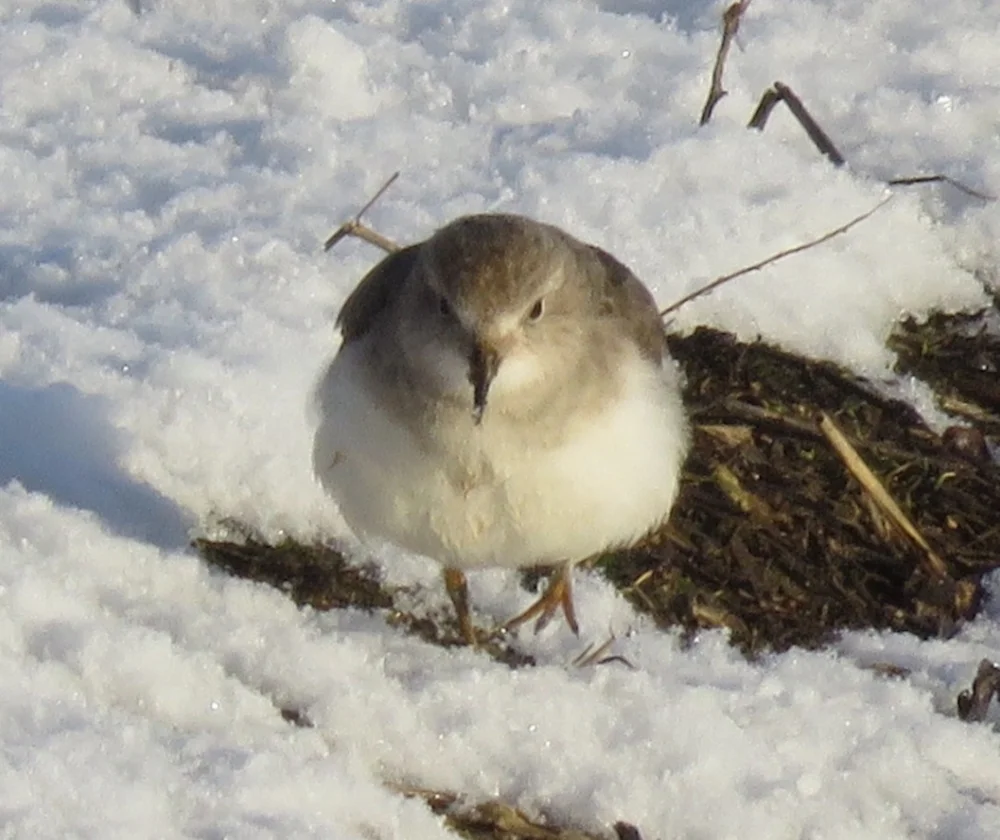
Temminck's Stint, Minsmere RSPB, Suffolk (Lucas Burfield).
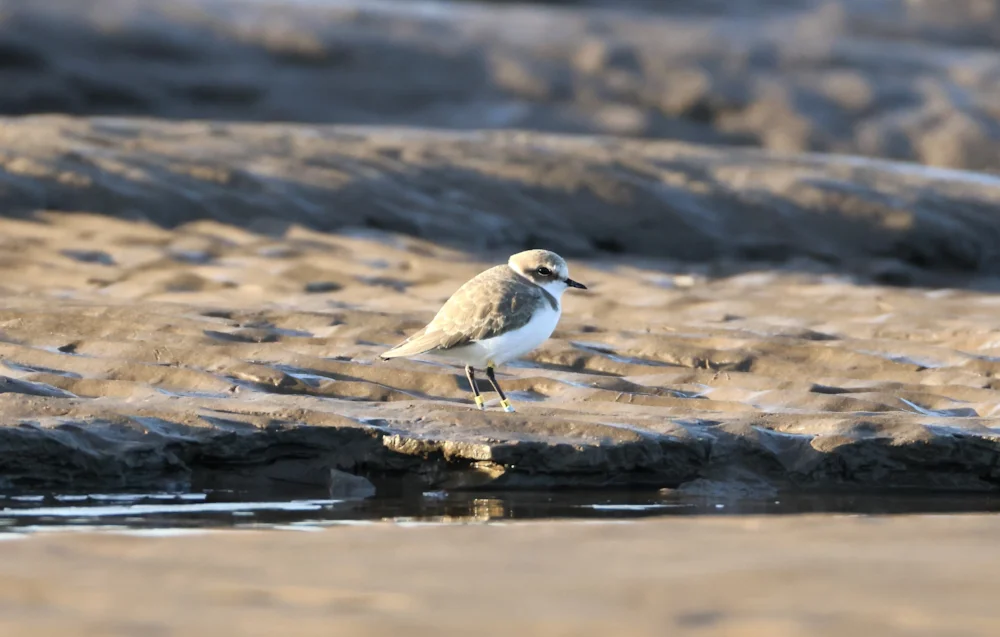
Kentish Plover, Burnham-on-Sea, Somerset (sammy hughes).
Three Northern Harriers continued in Co Wexford and Pallid Harriers were still roaming around Glamorgan and Pembrokeshire.
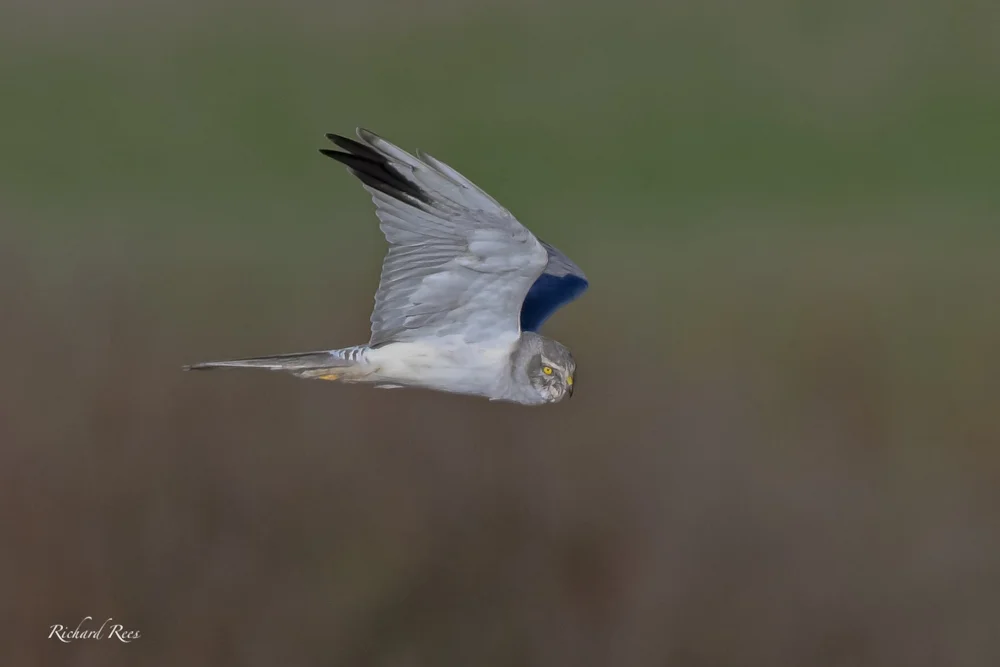
Pallid Harrier, Castlemartin, Pembrokeshire (Richard Rees).
Worthy of a mention are a series of rarities from earlier in 2025 that were belatedly revealed at the end of the year. The crown was given to a Zitting Cisticola noted in the annual logs from the private ringing site of Nanjizal Valley, Cornwall. Sighted on 1 May, other site records for the year included Bonaparte's Gull and two Woodchat Shrikes, as well as a long list of national scarcities. More sobering, given their near-mythical status in recent year, was news of a Terek Sandpiper on a sensitive part of the Holkham Estate, Norfolk, during May.
Western Palearctic
An astounding find came from the Faroe Islands on 4th, when an adult Short-billed Gull was found Miðvági. It is the first record for the Faroe Islands and the second for the Western Palearctic, following one in the Azores in 2003. This highly impressive find and identification will surely raise awareness of the vagrancy of this species in the WP. The Baltimore Oriole in Iceland reappeared after a month, and the Belted Kingfisher in France was as popular as ever. A smart first-winter male Dusky Thrush in Copenhagen, Denmark, proved to be a fan favourite for Danish birders, showing superbly.
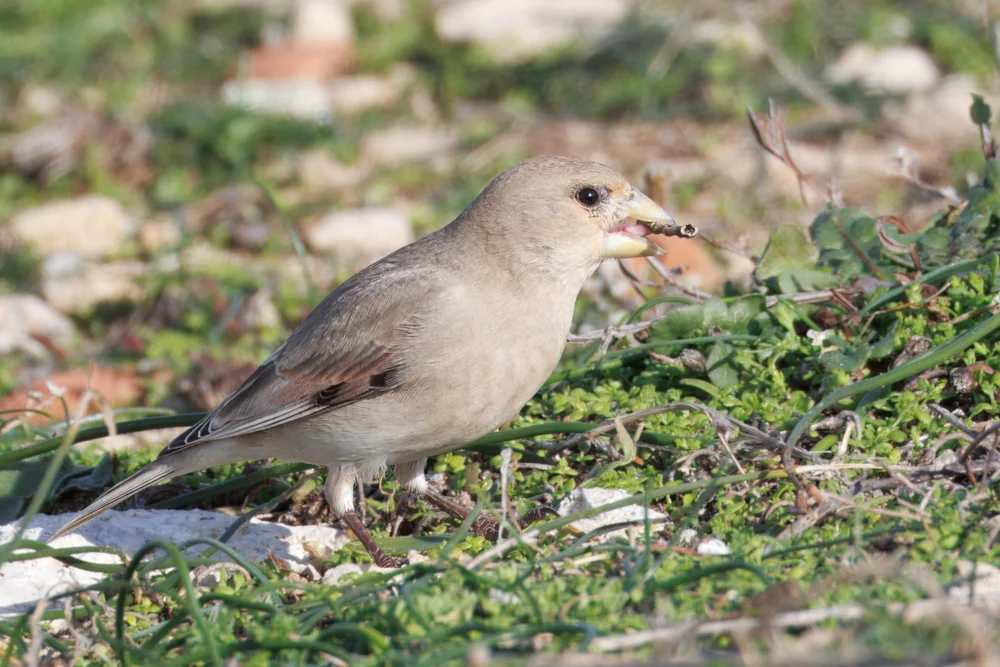
Desert Finch, Paphos, Cyprus (Matthew Smith).
Sad news came from Texel, Netherlands, on 28th, when the famous adult drake Spectacled Eider was taken into care. It was found that the bird had very poor feather health, as well as low body weight and worms. It still survives in care as of January, but is still at a vulnerable stage of its recovery. I think I can speak for all birders that we hope for the best. Also in the Netherlands, Black-faced Bunting, Pygmy Cormorant and Bufflehead remained at their respective sites.
Elsewhere, a Desert Finch was discovered at Paphos, Cyprus, the Western Willet relocated to Sal, Cape Verde, on 4th and a White-winged Snowfinch was still in situ in Portugal. A surprisingly healthy adult Allen's Gallinule was found on Sicily, Italy, along with a rather less healthy (dead) one picked up at Étang de Thau, France.
- Get your 2026 year list off to a thrilling start and keep up to date with by-the-minute sightings updates of rarities and significant birds in your local area at www.birdguides.com/sightings or via the all-new BirdGuides app. New users are entitled to a one-month free trial.
