
Despite some strong winds this past week, it feels as though spring is here. Indeed, all the songbirds in my garden are properly going for it as I write this. That being said, migrants aren't here in volume yet. Osprey and Willow Warbler have very slowly started appearing and many birders in England may have caught up with a Sand Martin, though we still await the mass arrival of species such as Northern Wheatear, House Martin and Swallow.
Just when all hope was lost of a reappearance from the Tengmalm's Owl in Shetland from late January ... bam! Following a report from a garden the previous day, quick thinking from some local birders near Ollaberry, Mainland Shetland, resulted in the bird being seen from a public area on 13th. Although a species most serious twitchers have on their list now, I'm sure a good few folk were hoping for a long stay reminiscent of the previous bird. I know not going for the last one has haunted me. I've been hoping for an opportunity ever since but, having seen one in Estonia last week, I don't feel terribly gripped. Interestingly, the record coincides with the prime time for Tengmalm's Owls moving back to their breeding grounds in north-east Europe. Who's to say that it's not different individual?
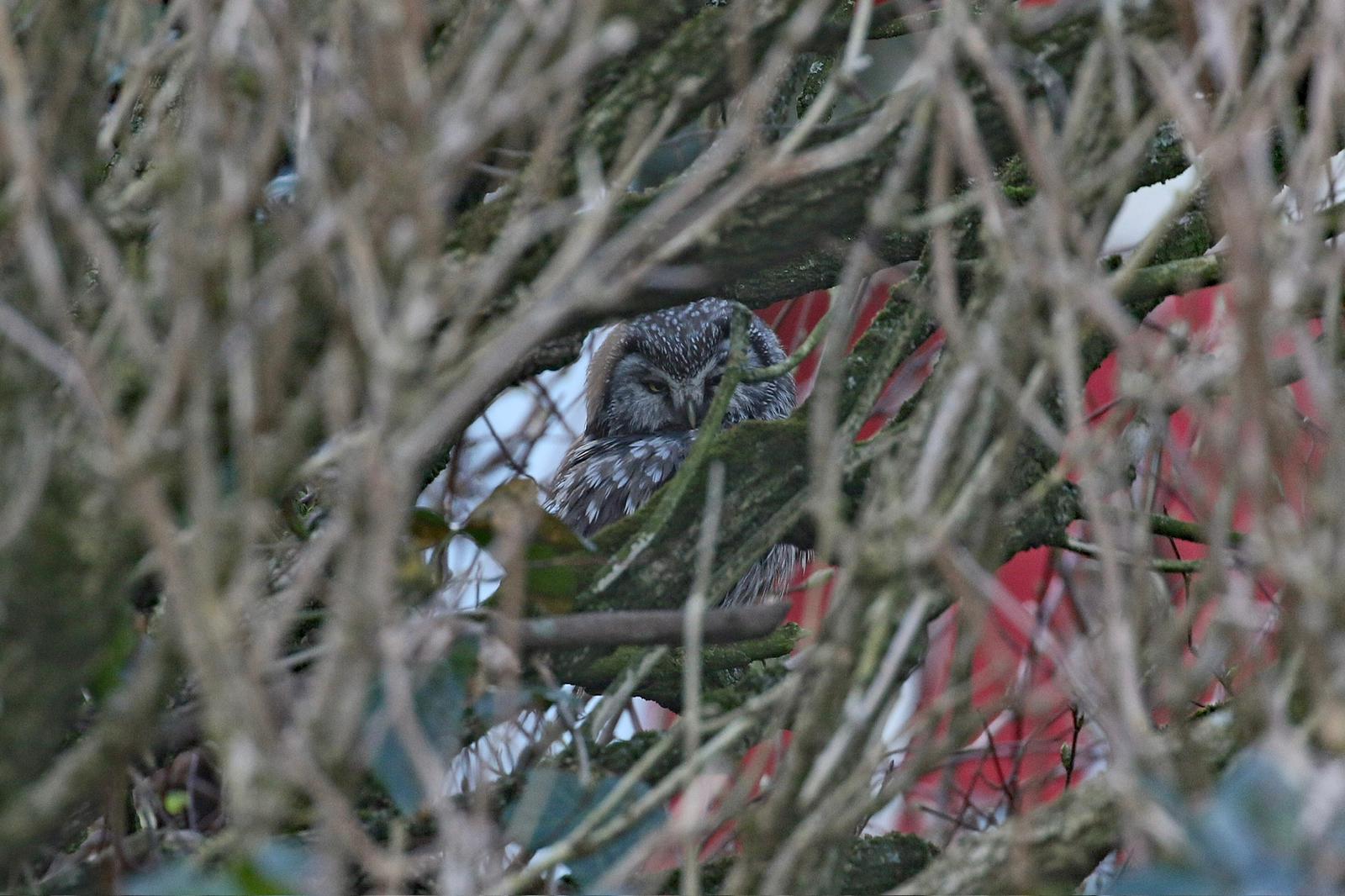
Tengmalm's Owl, Ollaberry, Shetland (Adrian Kettle).
TENGMALM'S OWL at Ollaberry, Shetland this afternoon. Discovered yesterday by local residents Ewen & Kit Mowat, myself and Logan Johnson decided to try and relocate it and after a bit of searching, a shape in a tree revealed itself to be this beauty! A stunning. bird and thanks… pic.twitter.com/r42KoHtLZo
— Hugh Harrop Wildlife (@HughHarrop) March 13, 2026
In other big news, a report of a European Turtle Dove at Lisburn, Co Antrim, on 15th felt odd and, perhaps not shockingly, photographs revealed it to be its far rarer counterpart, Oriental Turtle Dove. Recent years have hosted an explosion of records, though one in Northern Ireland is a totally different deal. It will be a popular bird for all Irish birders, if it ends up being viewable.
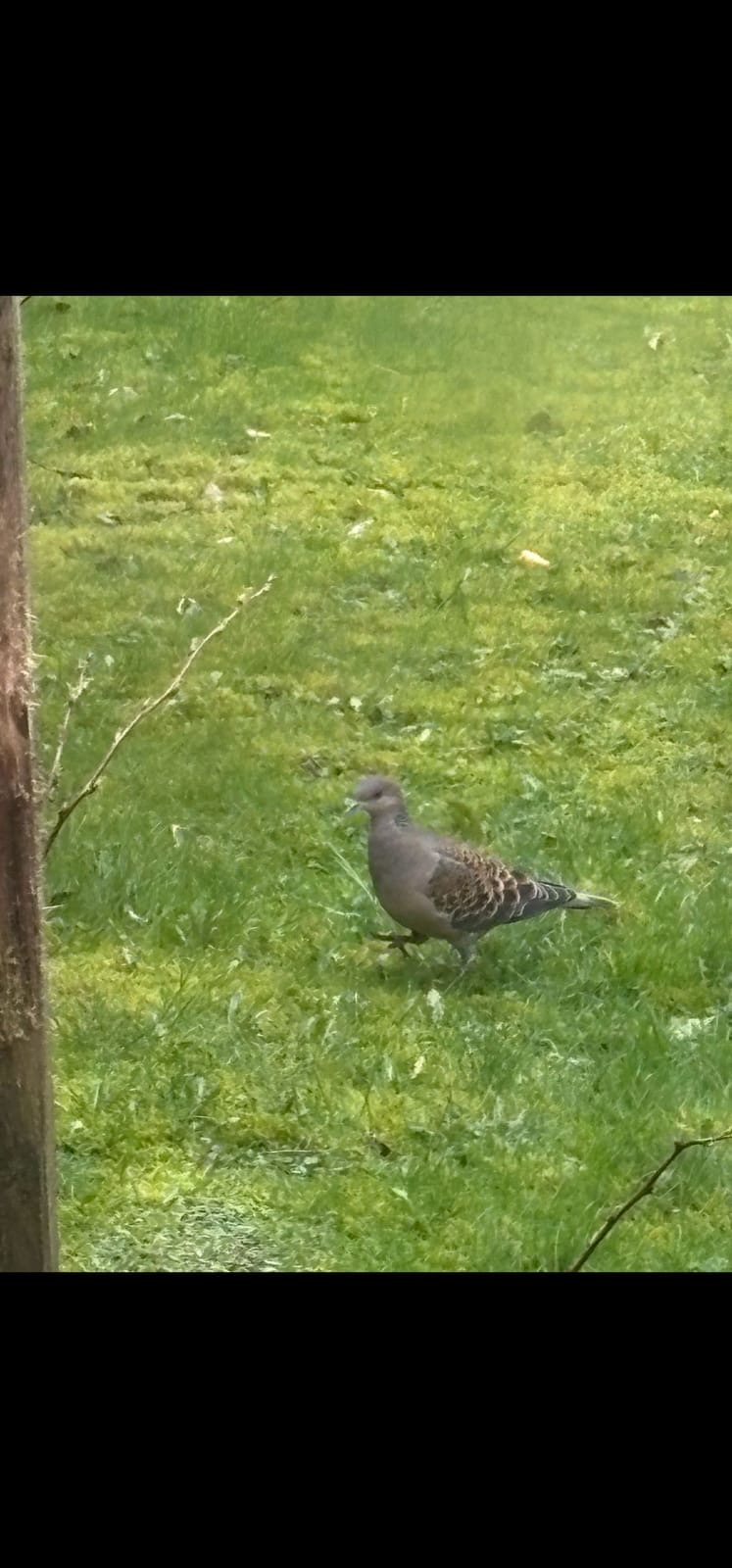
Oriental Turtle Dove, Lisburn, Co Antrim (Chris Rankin).
Bizarre news came from Wiltshire on 15th, with a Yellow-throated Bunting photographed in a garden in Amesbury. It's a smart-looking little thing, though that's not going to help it get past the birding jury. This East Asian species has low long-distance vagrancy potential and previous records in Finland, Denmark, Netherlands, France and Germany have all been 'binned' by their respective rarities committees. That being said, there is a record of a vagrant in Alaska, so they evidently can turn up out of range. Given their bright bold plumage, however, they probably aren’t the rarest of birds in captivity.
It seems like a good portion of the wintering geese had moved off, although the shuffling of the pack did produce a remarkable record from Shropshire. A Taiga Bean Goose was confirmed at Isombridge on 15th, having first been photographed on 7th. Such a rare migrant away from some of the classic wintering areas now, it's unsurprising this was the first record for the county. Honestly, if you're an hour or two away and haven't seen one before, this could be your best chance for a little while. Other Taiga Bean Geese were in Northumberland, Cumbria, Ayrshire, Fife, Aberdeenshire and Outer Hebrides, with the Fife birds providing a real identification conundrum. The Ross's, Red-breasted and Todd's Canada Geese were still spread across Argyll, while Co Sligo held onto its Richardson's Cackling and two Todd's Canada Geese. The Todd's at Banks Marsh, Lancashire, remained on 11th, and Snow Geese were still in Co Cork (two), Highland and Argyll, along with the suspect adult in Lancashire.
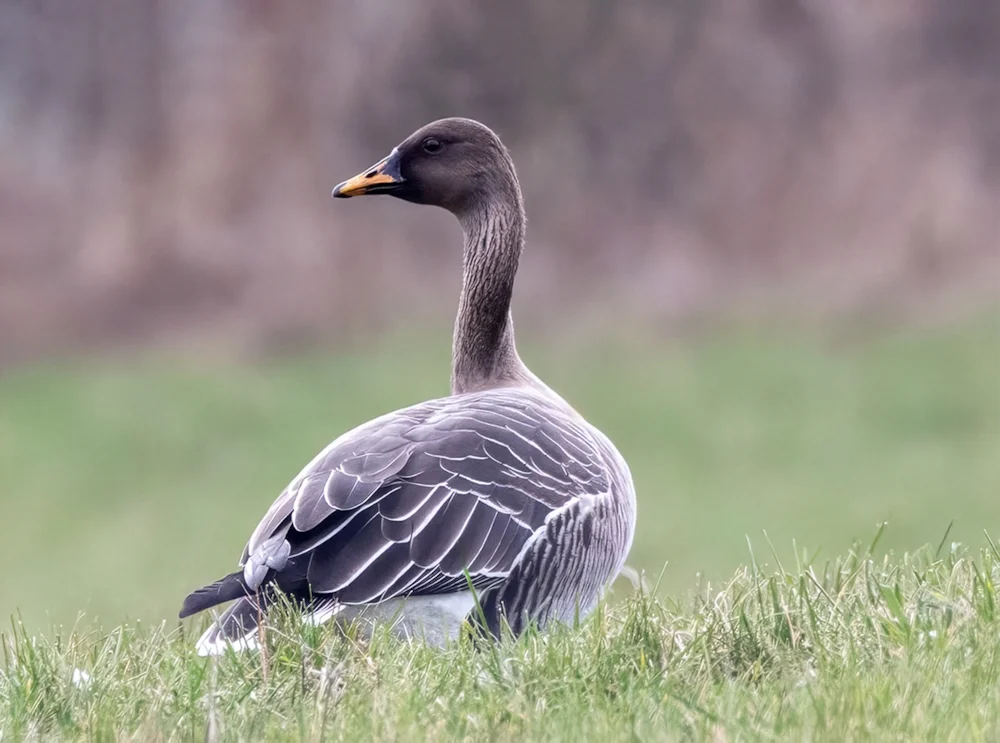
Taiga Bean Goose, Letham Pools, Fife (Harry Bell).
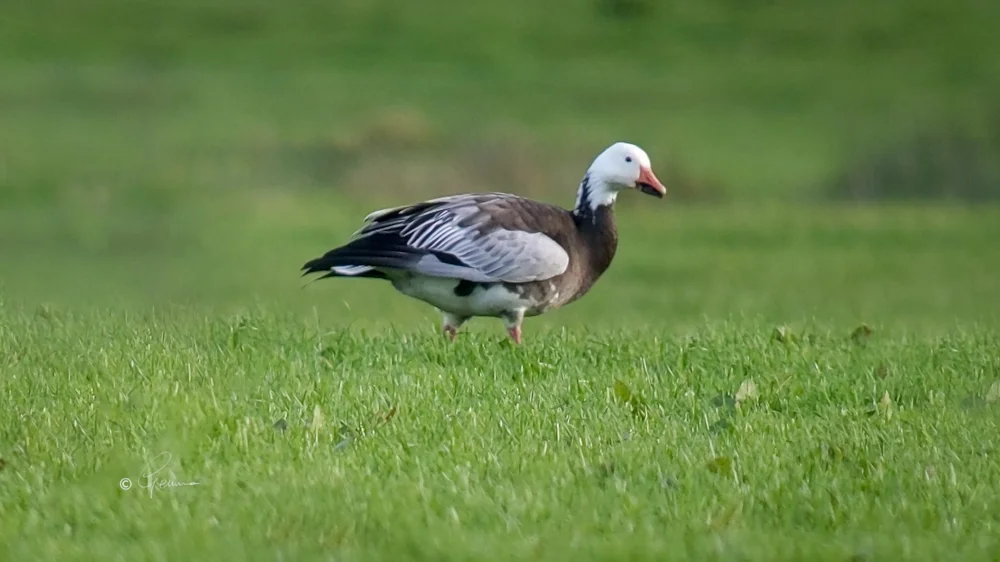
Snow Goose, Toonsbridge, Cork (Gemma Kelleher).
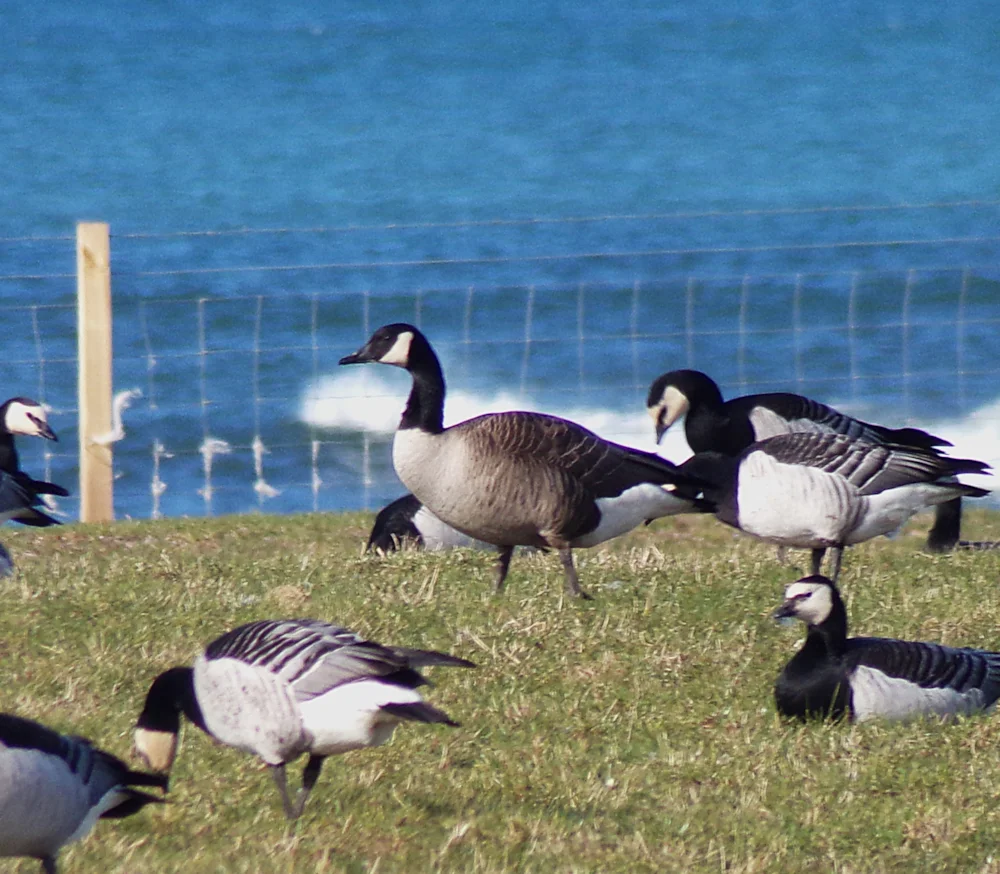
Todd's Canada Goose, Cornaigmore, Tiree, Argyll (John Bowler).
Much closer views and photographs of the 'apparent' drake Stejneger's Scoter in Fife confirmed what we suspected all along, that the bird needed no caveat. I'm sure it will attract a little more interest now that debate is settled.
The female Hooded Merganser made a reappearance at Piling Wetland, Avon, on 10th, a relief to any locals that missed it the first time around. The adult drake Canvasback remained reliable at Abberton Reservoir, Essex, throughout the week, though mostly staying distant. Nevertheless, this presents a good chance to see it again if you haven't done so already. Glamorgan's Baikal Teal was unpredictable, showing a couple of times through the week. Co Kerry's Redhead was still on view for any latecomers, as was the dapper first-winter drake Harlequin Duck in Co Donegal. On the opposite side of the Firth of Forth to the Stejneger's Scoter, the immature White-winged Scoter was continued at Port Seton, Lothian. Elsewhere, a King Eider was reported off Balranald RSPB, Outer Hebrides, on 9th, and Ferruginous Duck lingered in Co Tyrone and Norfolk (until 13th).
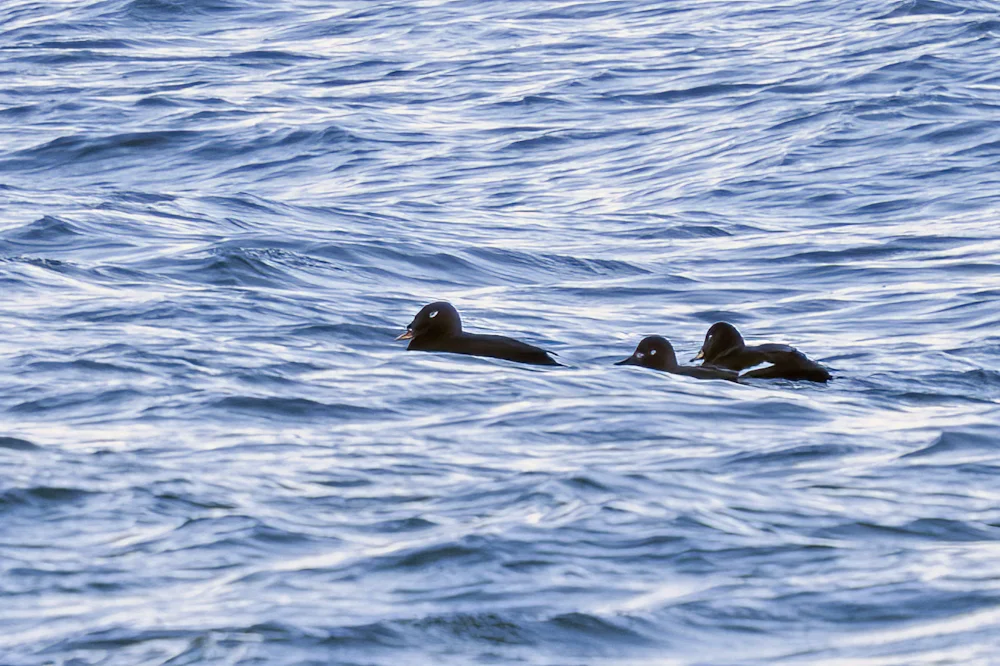
Stejneger's Scoter, East Wemyss, Fife (Nigel Voaden).
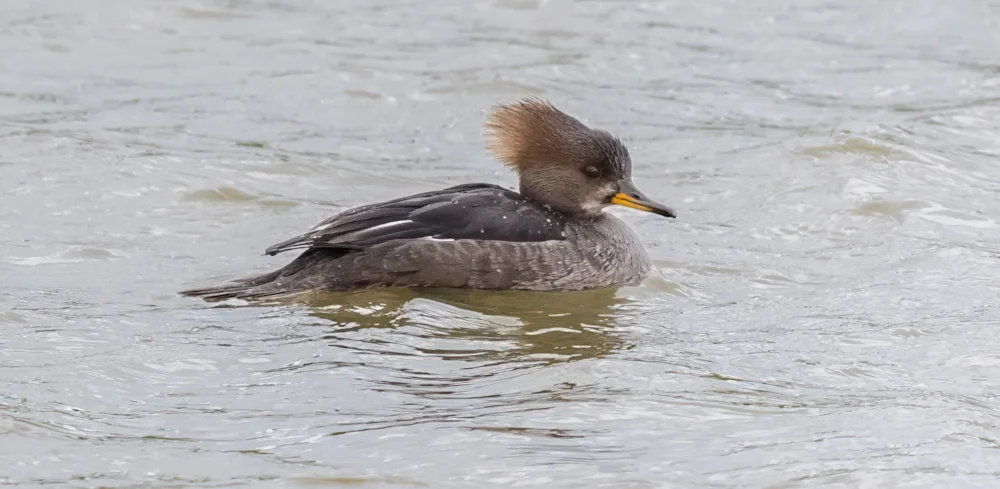
Hooded Merganser, Northwick Warth, Avon (Paul Dunham).
An exceptionally confiding drake Lesser Scaup at The Mere, Shropshire, has been pulling in admirers over the weekend. The pair in Worcestershire were still at Clifton Pits until 14th, before relocating to Ryall Court Pits the following day. The drake at Abberton Reservoir, Essex, was joined by a confirmed female from 12th onwards, while other singles were still in Co Armagh, Co Wexford and Co Cork. Scarce duck included seven drake American Wigeon, Ring-necked Duck at 31 sites, Surf Scoter at four sites and Green-winged Teal at seven sites.
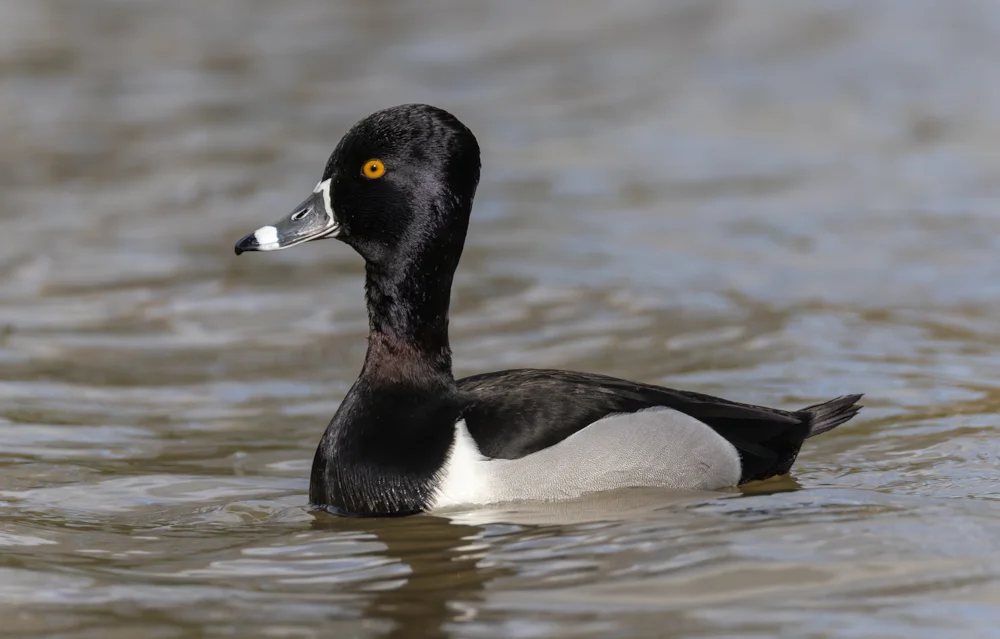
Ring-necked Duck, Codnor Park, Derbyshire (Glyn Sellors).
White-billed Divers were still present in reasonable numbers in Scotland: the adult at Loch Venachar still survives and at least five were in Fife, while singles were reported in Argyll, Lothian and Borders. Meanwhile, Pacific Divers were still loafing on the sea in Co Cork and Co Donegal.
Another Ross's Gull, this time a wonderful adult, made a brief appearance at Ganavan Sands, Argyll, on 15th – why must they all be so far away! The productive spell for Bonaparte's Gulls continued, with two in Cornwall continuing to commute between Hayle Estuary and the Marazion area. Devon produced two or three birds: the lingering first-winter at Plym Estuary throughout the week, one at South Huish Marsh on 13th (potentially the same bird) and a first-winter at Otter Estuary on 14th and 15th, while Unst, Shetland, and Outer Hebrides held onto their single birds. Ring-billed Gulls were at seven sites, mostly in Ireland. The Forster's Tern in Dorset continued to put on its best and most reliable show yet, regularly returning to Poole Park. I wonder if we'll ever see it in breeding plumage.
ROSS'S GULL at Ganavan Sands mid-day today! I am in disbelief! After failing to find a White Billed Diver that had been reported, we decided as a last resort to go to Ganavan. As I was scanning a small white-winged gull flew though the frame... #RareBirdsUK #BirdingScotland
— Frank Cavanagh (@frankcavanagh.bsky.social) 15 March 2026 at 19:57
[image or embed]
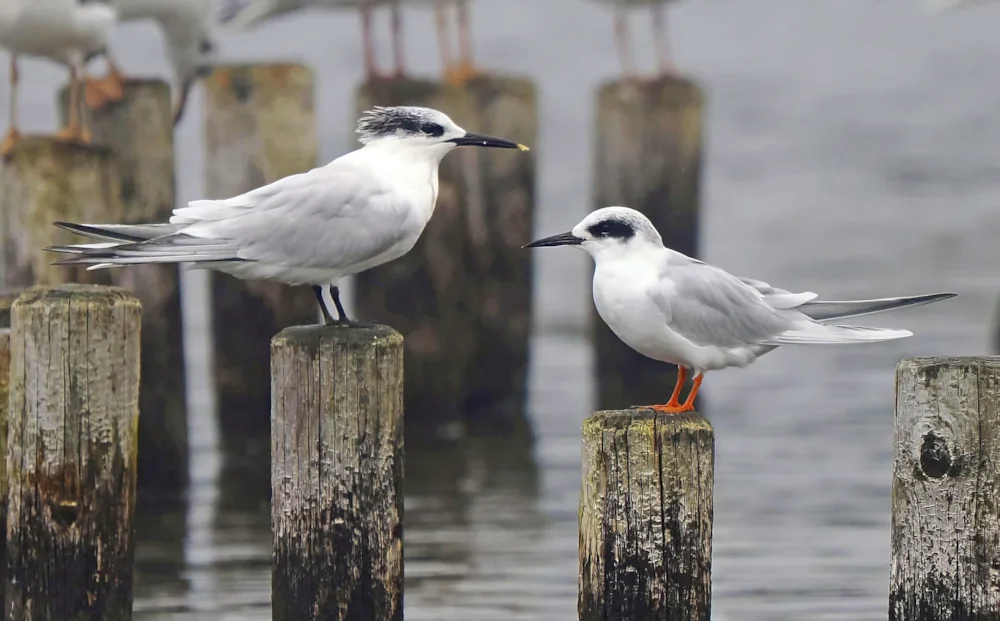
Forster's Tern, Poole, Dorset (Mark Joy).
The roaming Black-winged Kite continued to perform at Ludham Bridge, Norfolk, until at least 15th and it seems to be giving its best views yet by far. Maybe another visit isn't the worst idea for those chasing better views. In other raptor news, a female Pallid Harrier was photographed near Berkeley, Gloucestershire, on 11th, while Carmarthen's wintering female remained mobile. The juvenile Northern Harrier at Cahore Marsh, Co Wexford, was as erratic as ever.
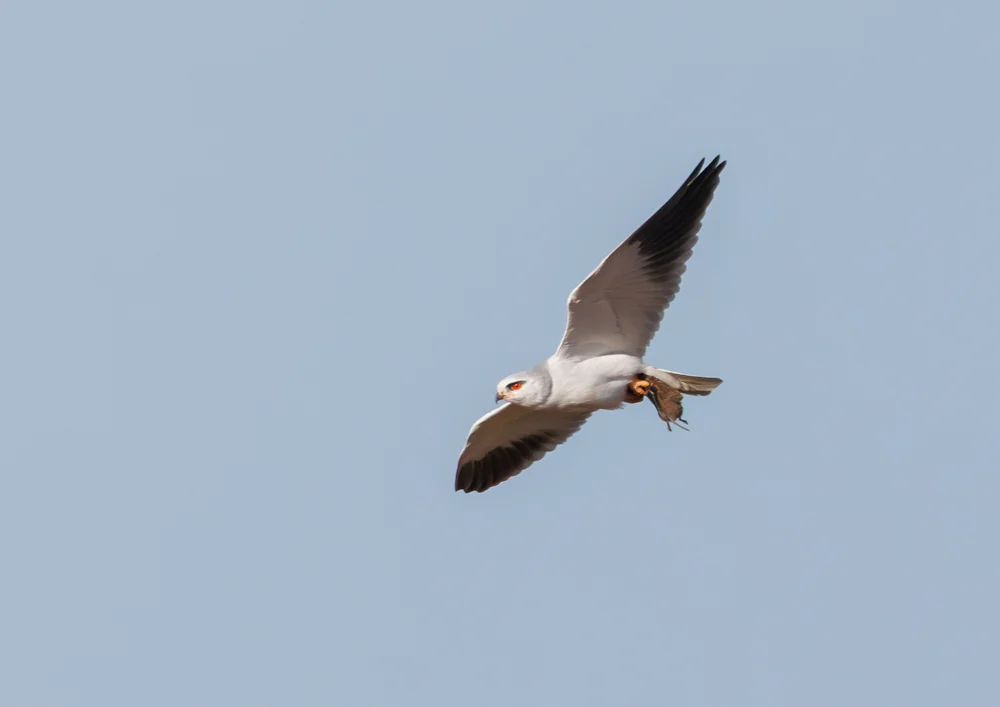
Black-winged Kite, Ludham Bridge, Norfolk (Adrian Webb).
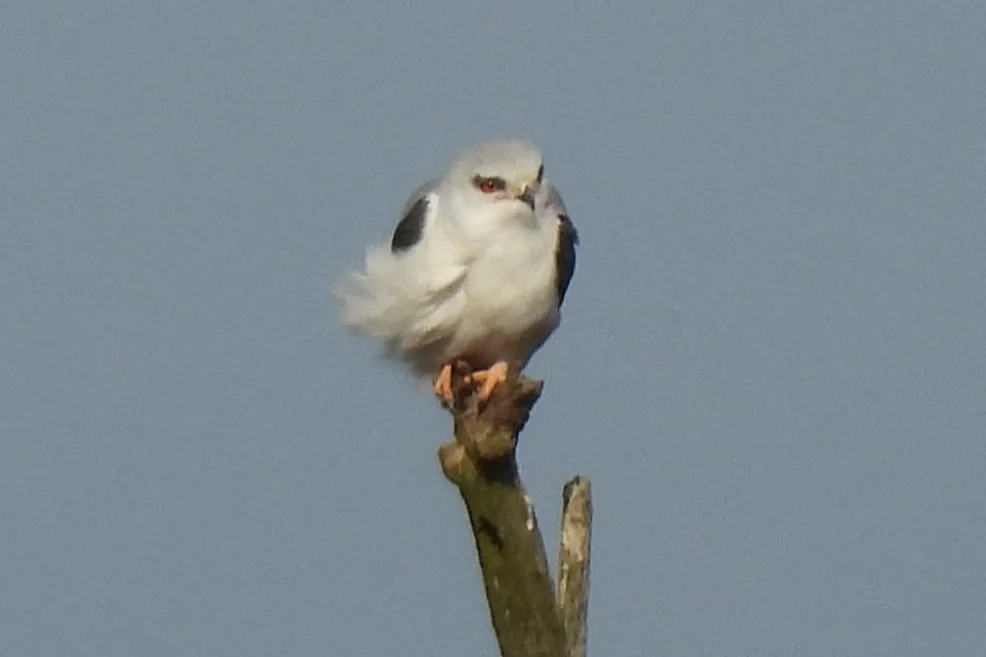
Black-winged Kite, Ludham Bridge, Norfolk (Tony Dixon).
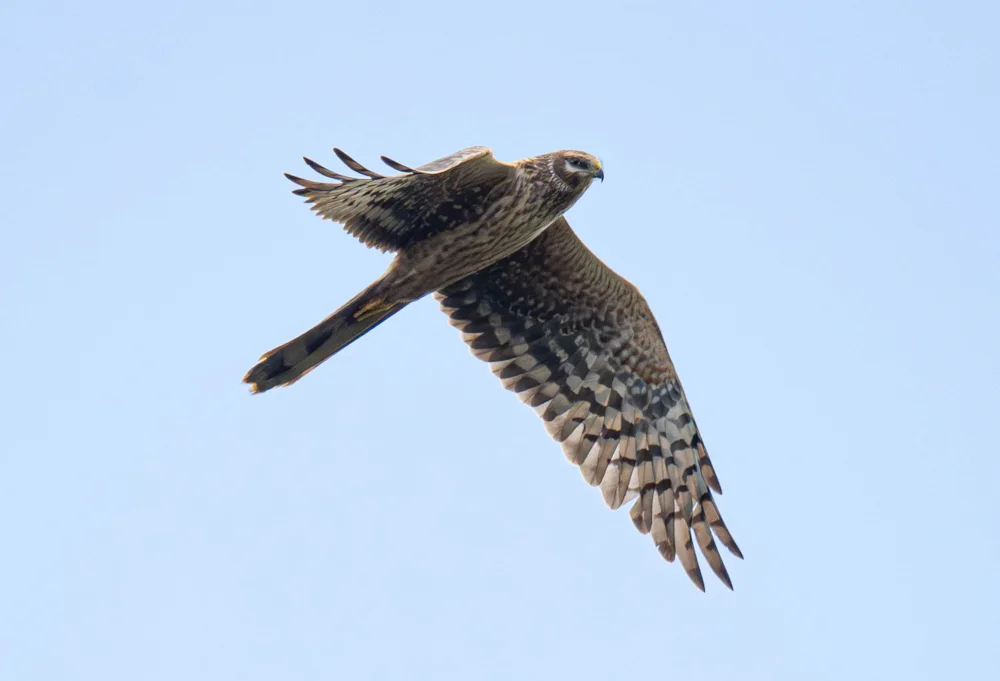
Pallid Harrier, Berkeley, Gloucestershire (Chris Newton).
There weren't too many new passerines to talk about. A Little Bunting was briefly at North Foreland, Kent, while a significant inland find involved a Northern Treecreeper photographed Thornton-le-Dale, North Yorkshire. This is not a full species, of course, but it is still a fantastically frosty gem. Kent held onto its Red-flanked Bluetail and Pallas's Warbler. Hume's Leaf Warblers were still in situ in Warwickshire and Suffolk, the Dusky Warbler was still in Cornwall and at least one Zitting Cisticola continued in Suffolk, a promising sign for the approaching breeding season.
Our two male Great-tailed Grackles were still knocking around, with one still in Lancashire and the other relocating from Hampshire to a Wiltshire garden during the week. The Hoopoe remained in Shropshire and wintering Shore Larks were seen in Cheshire, Lincolnshire and Suffolk, but one in Norfolk was new. There seemed to be at least three Great Grey Shrikes in the New Forest, Hampshire, along with lingering hoverer still entertaining in Lincolnshire.
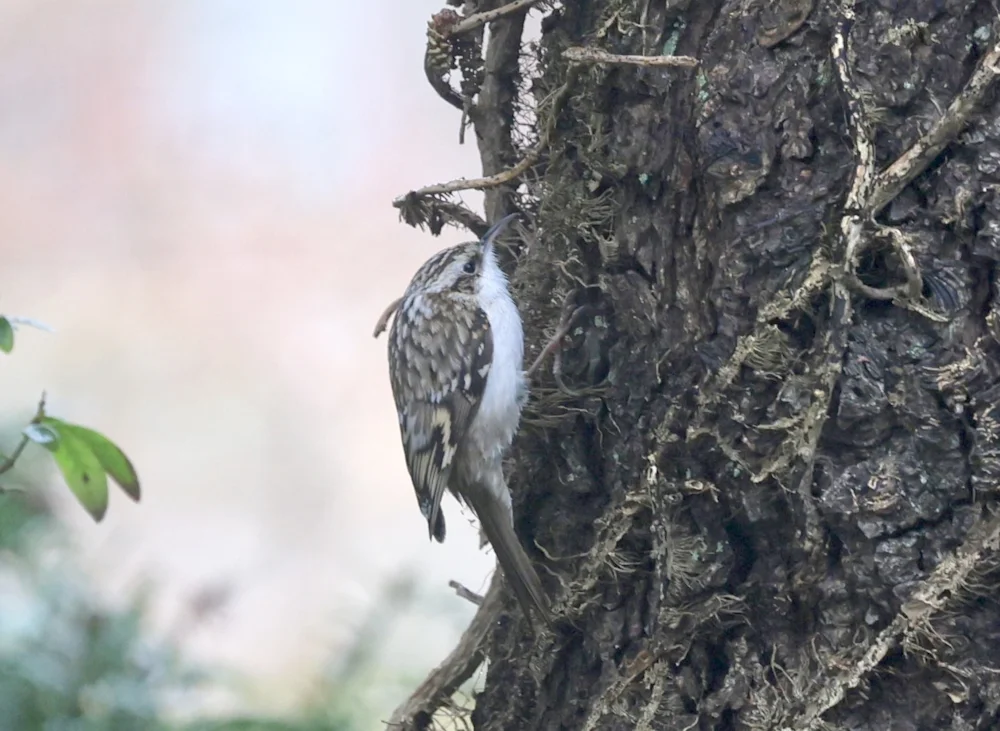
Northern Treecreeper, Thornton-le-Dale, North Yorkshire (Will Scott).
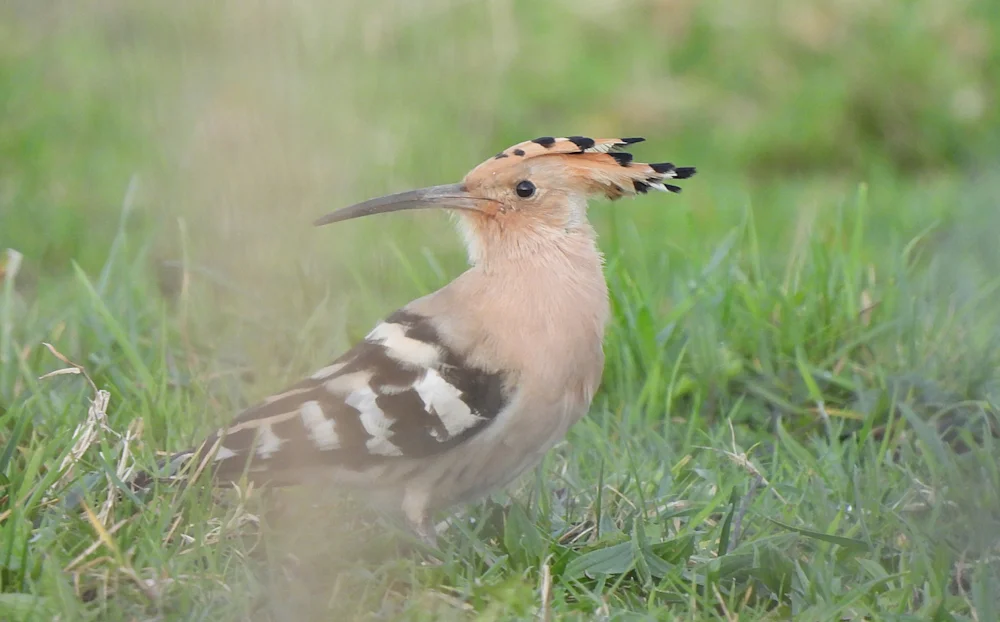
Hoopoe, Isombridge, Shropshire (Jake Klavins).
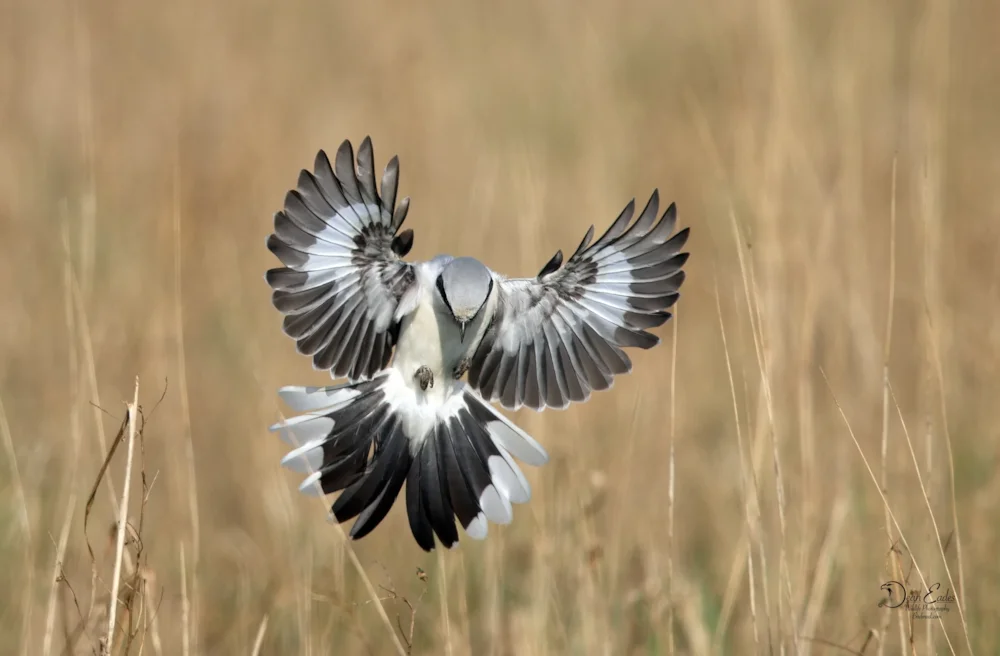
Great Grey Shrike, Fillingham, Lincolnshire (Dean Eades).
As with passerines, notable waders weren't too abundant, although the Spotted Sandpiper in Co Waterford and Long-billed Dowitcher in Co Wexford extended their stays, along with the three Lesser Yellowlegs (Flintshire, Cornwall and Co Antrim).
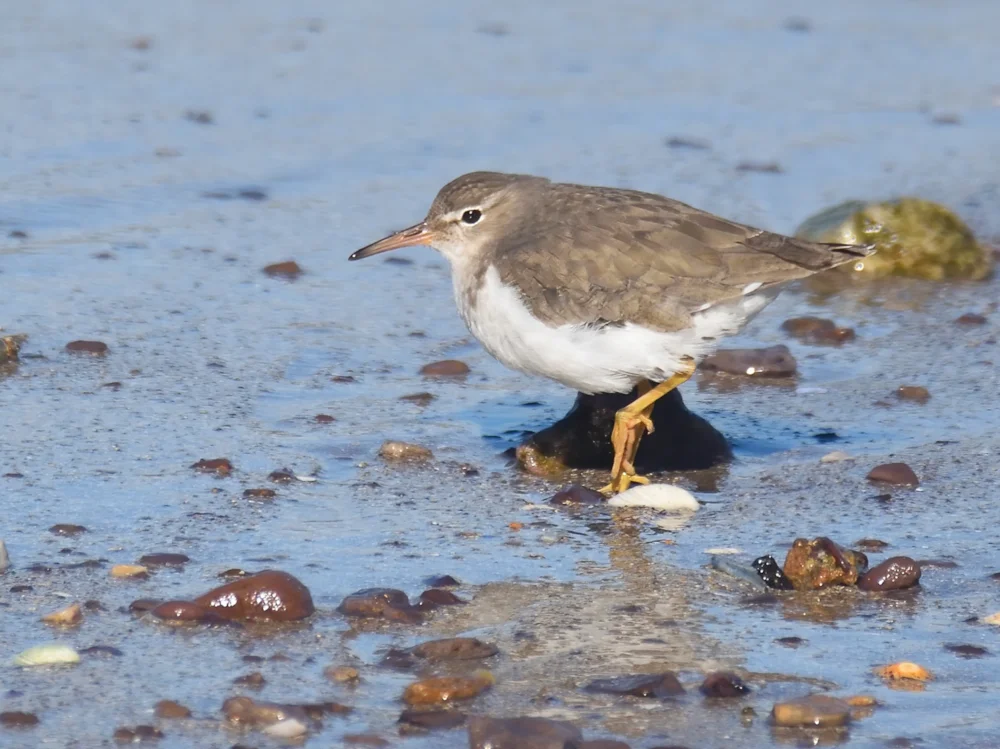
Spotted Sandpiper, Helvick Head, Waterford (Andrew Malcolm).
Western Palearctic
Terribly sad news came from the Netherlands that the drake Spectacled Eider had finally succumbed to poor health. It is thought that worms were the final blow, causing the bird to refuse food. Such a shame, given it was reported to be nearing release back into the wild. This bird serves as reminder to us all that while vagrancy is often exhilirating, it can be a tragic occurrence that leaves these birds battered by weather, isolated from other members of their species, and often unable to find suitable food sources.
The standout Western Palearctic find of the week has to be the adult Pallas's Gull at Paúl da Golegã, Portugal, the first record for the country. We are overdue one here in Britain and records like this really get you salivating. Nearby, the Summer Tanager remained in Porto until 12th at least, and a little further west, the Azores boasted Snowy Egret, Solitary Sandpiper and Bufflehead.
A Common Yellowthroat at Huelva, Spain, on 9th was unexpected to say the least. A Three-banded Plover at Hancağız Dam, Turkey, was a decent record, and Nouadhibou, Mauritania, had an African Crake on 14th, as well as belated news of a Wahlberg's Eagle in February. Cape Verde hosted a wide range of rarities again: two Masked Boobies were in Brown Booby colonies, while the Black-headed Heron, Western Willet and Red-billed Quelea all remained at their respective sites.
