
After a short spell of easterlies at the start of October, attention immediately swivelled back west this week at the prospect of transatlantic arrivals – appetites raised by the exciting appearance of a Yellow-throated Vireo in Iceland on 6th.
Crossing the pond
One of Ireland's premier rarity-finding hot-spots, Inishbofin, Co Galway, delivered the goods with a first-winter Rose-breasted Grosbeak on 10th – the first anywhere in Ireland since one in Co Cork in November 2023. It is one of the most expected Nearctic passerines to appear in Britain and Ireland on mid-October westerlies; another of those is Grey-cheeked Thrush, with one of those found at Easter Quarff, Mainland Shetland, the very same evening. It is the twelfth record for Shetland. Five of those come from Fair Isle, including the first for Britain in 1953.
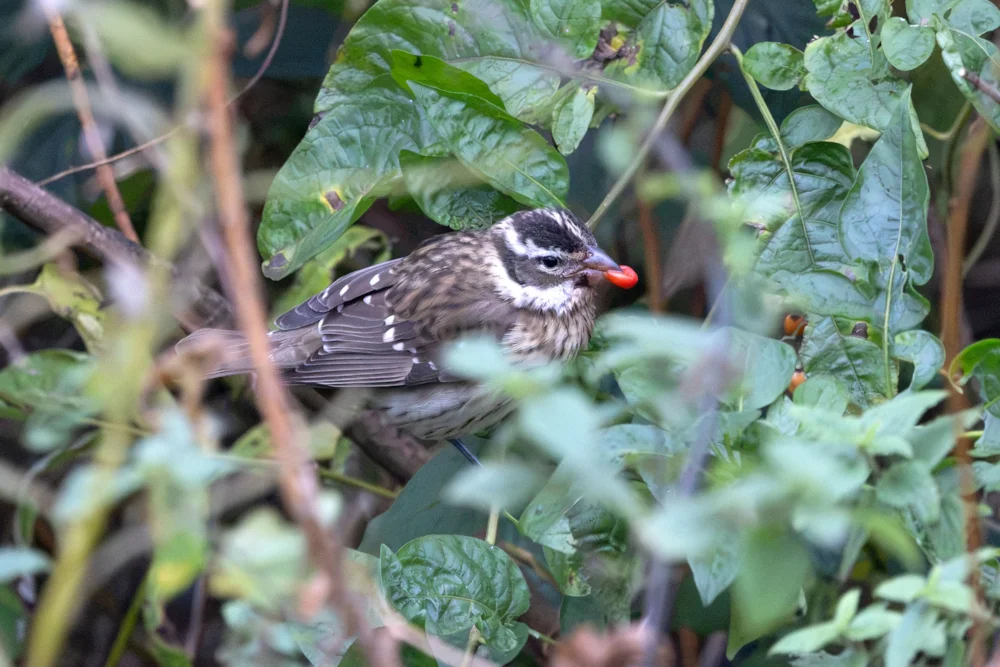
Rose-breasted Grosbeak, Inishbofin, Galway (Tom Shevlin).
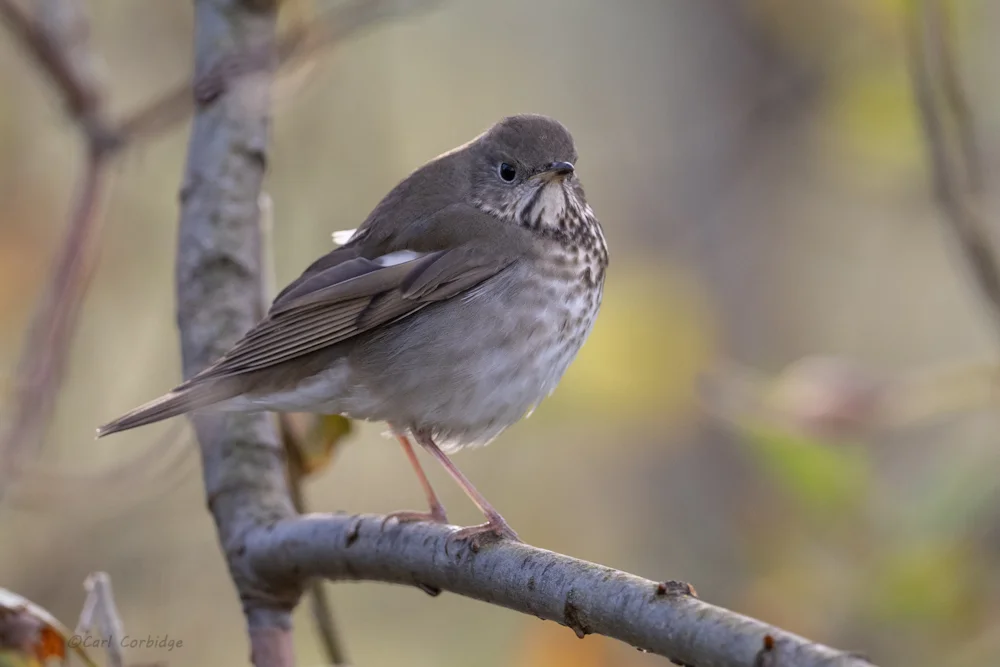
Grey-cheeked Thrush, Easter Quarff, Mainland, Shetland (Carl Corbidge).
Scilly's first Sora in 10 years – a continuing juvenile on St Mary's – was already ample reason to draw birders to the archipelago; however, events got even more remarkable on 5-6th when an adult was found on Great Pool, Tresco. The double act is even more extraordinary when you look at the paucity of past years enjoying multiple records of the species. Only 1982 (with birds on St Mary's and Foula, Shetland) and 2016 (with birds on Tresco and Exminster Marshes RSPB, Devon) can boast that accolade. The appearance of a third Porzana at Porth Hellick Pool on St Mary's on 10th provided further head-scratching, though it was soon confirmed as a Spotted Crake – and was watched interchangeably with the site's Sora!
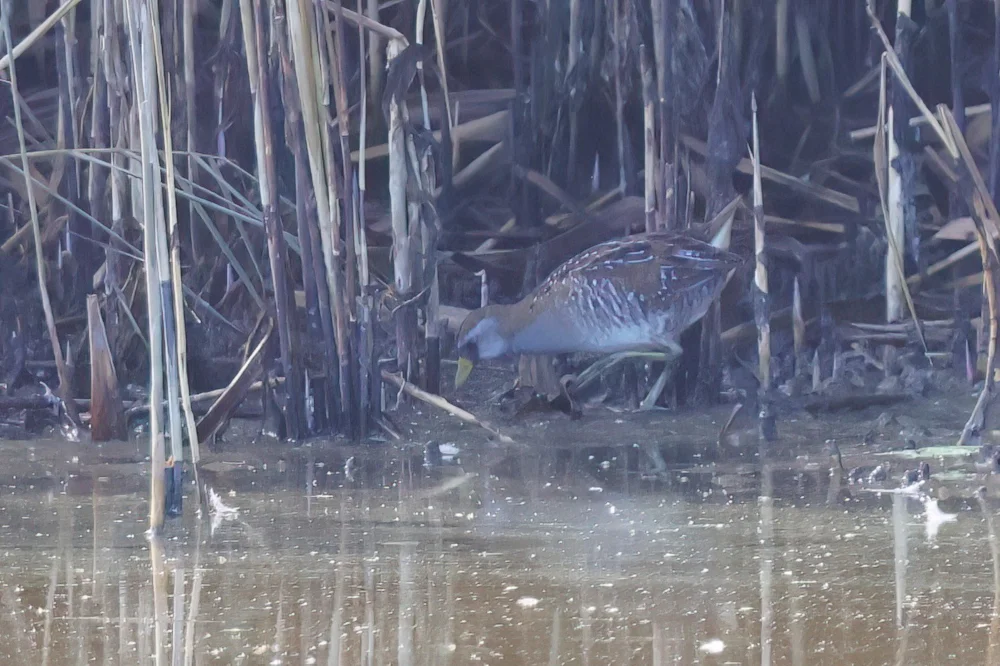
Sora, Tresco, Isles of Scilly (Rob Stonehouse).
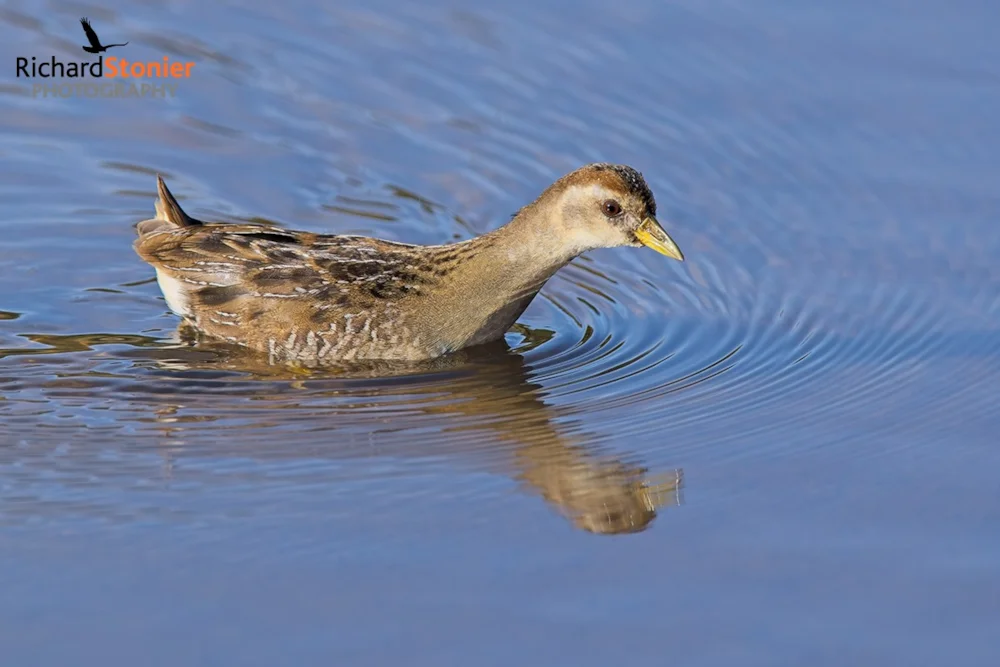
Sora, St Mary's, Isles of Scilly (Richard Stonier).
An American Pipit was an extra treat for Scilly holidaymakers on St Agnes from 6-9th and a Red-eyed Vireo was trapped and ringed on Bressay, Shetland, on 10th, with another still on Inishbofin, Co Galway, on 5th.
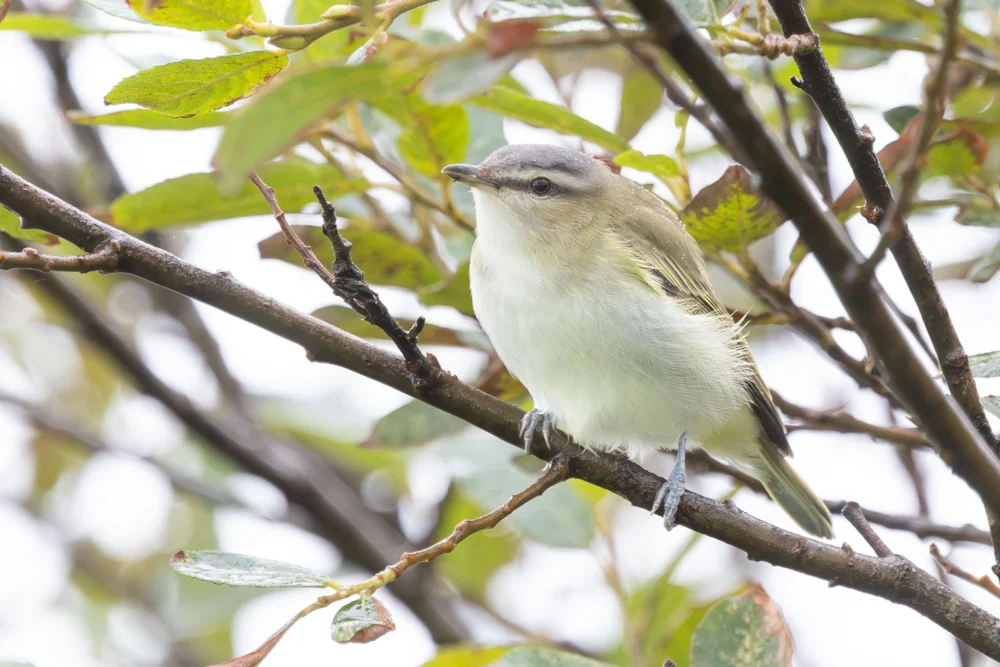
Red-eyed Vireo, Inishbofin, Galway (Tom Shevlin).
Ship-assisted swamphen?
On 8th, phone footage of an 'unusual bird' at the Port of Great Yarmouth, Norfolk, was, amazingly, identified as a Grey-headed Swamphen – a subspecies of Purple Swamphen found from the Middle East through India and southern Asia. Local birders soon relocated it and watched it bizarrely feeding along a roadside verge until dusk.
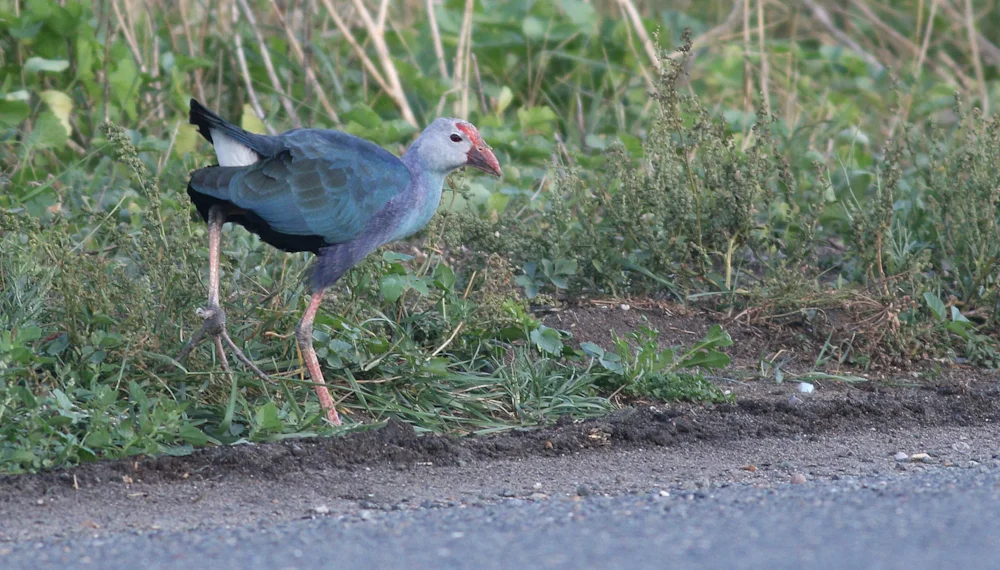
Grey-headed Swamphen, Great Yarmouth, Norfolk (Drew Lyness).
Unsurprisingly, its location led many to speculate about the potential of a wild ship-assisted vagrant. It was found alongside a grain boat that arrived overnight from the Netherlands, not a location in Asia or the Middle East, though it could theoretically have switched vessels at some point during its journey north-westward. A swamphen at Sandscale Haws, Cumbria, in October 1997 was considered a possible import to the nearby Port of Barrow by some, while November 2022 brought an African Swamphen to Parkeston Quay, Essex. Grey-headed Swamphen is kept widely in captivity, however, and there are multiple known records of previous escapes.
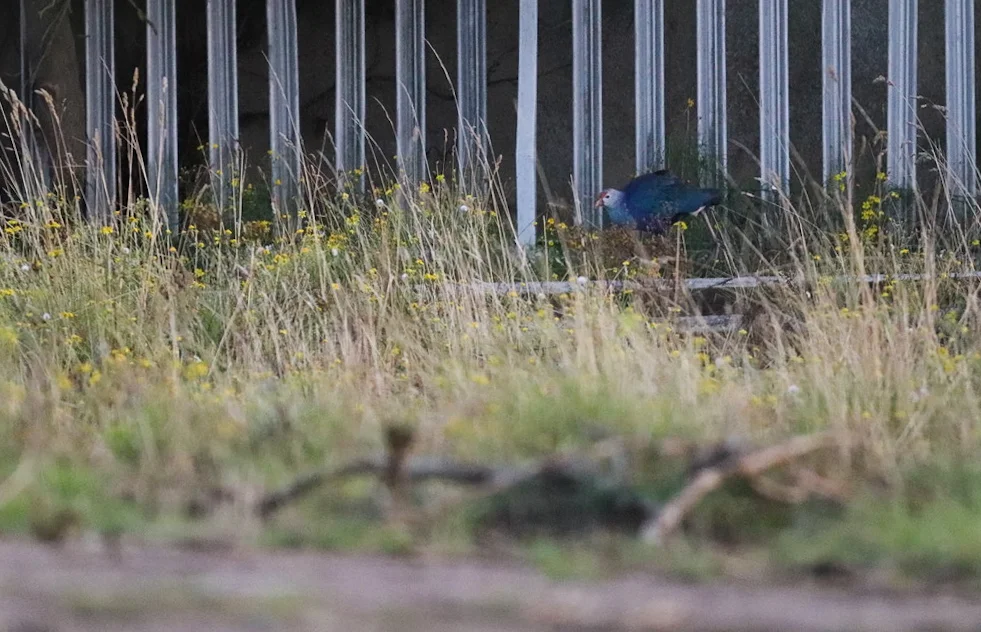
Grey-headed Swamphen, Great Yarmouth, Norfolk (Oscar Lawrence).
Orcadian owl
A Eurasian Scops Owl was an excellent find near Deerness, Mainland Orkney, from 8-10th. It is the ninth Orkney record, though only one of those has occurred since the turn of the century (on North Ronaldsay in June 2014).
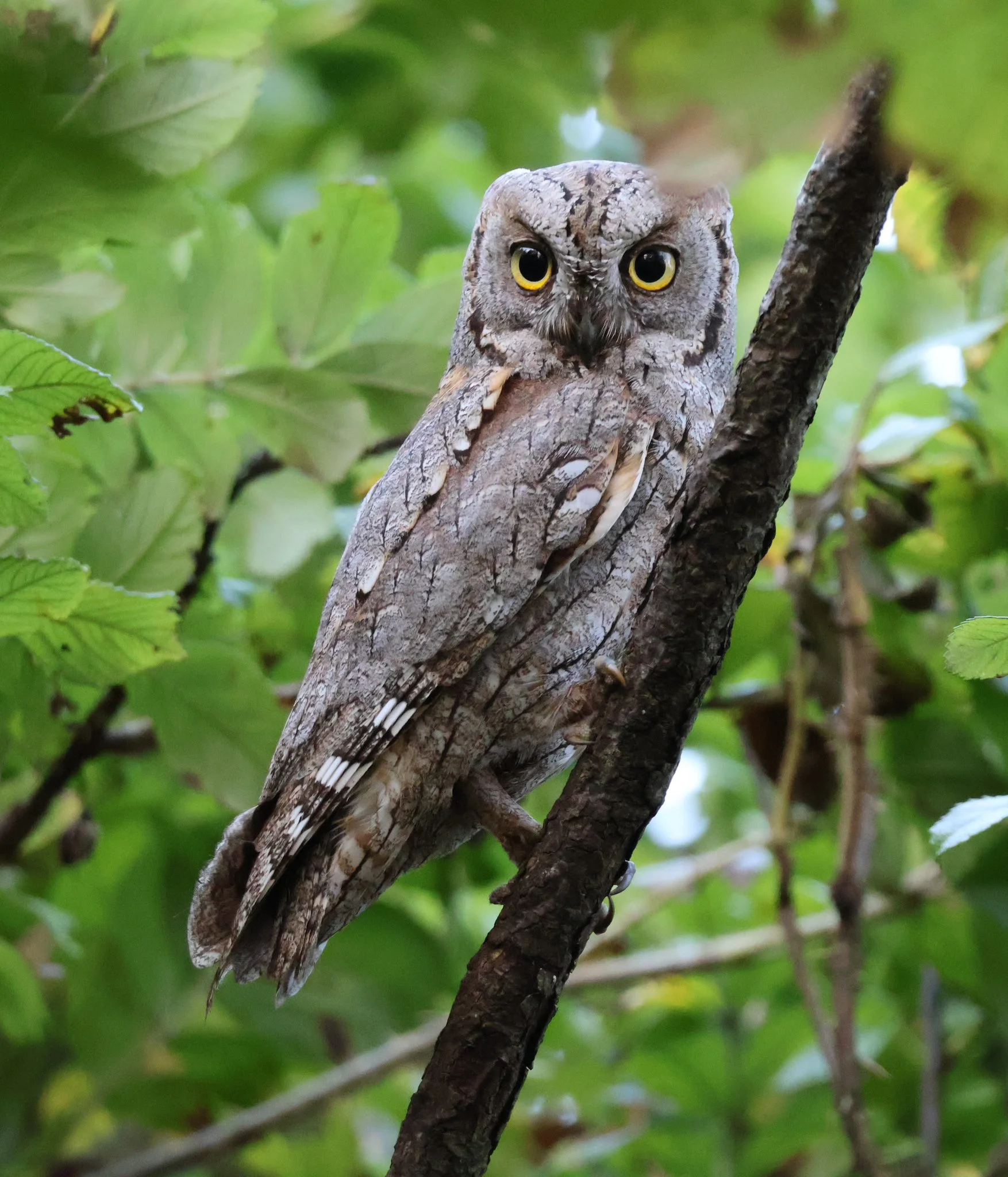
Eurasian Scops Owl, Deerness, Mainland, Orkney (Ashley Saunders).
A Black Kite over Littlestone-on-Sea, Kent, on 5th appeared a putative match for a 'West Siberian' intergrade between Western Black Kite and Black-eared Kite, owing to pale primary bases and a contrasting pale vent. Pallid Harriers were in Lancashire, Aberdeenshire and Shetland.
Shetland on song
A look at Shetland's species list for the week leaves little doubt as to why quite so many British birders take an annual pilgrimage to the archipelago at this time of year. The rarest discovery of the review period was a first-winter Black-faced Bunting at Quendale, Mainland, found by honeymooning birders Will Scott and Poppy Rummery-Scott late on 8th – and in the very same trees visited by a Two-barred Warbler exactly a week earlier. Autumn 2025 saw an unprecedented seven records of the species in Britain: Luke Nash takes a look at this as-yet-unexplained surge in sightings in the November issue of Birdwatch magazine.
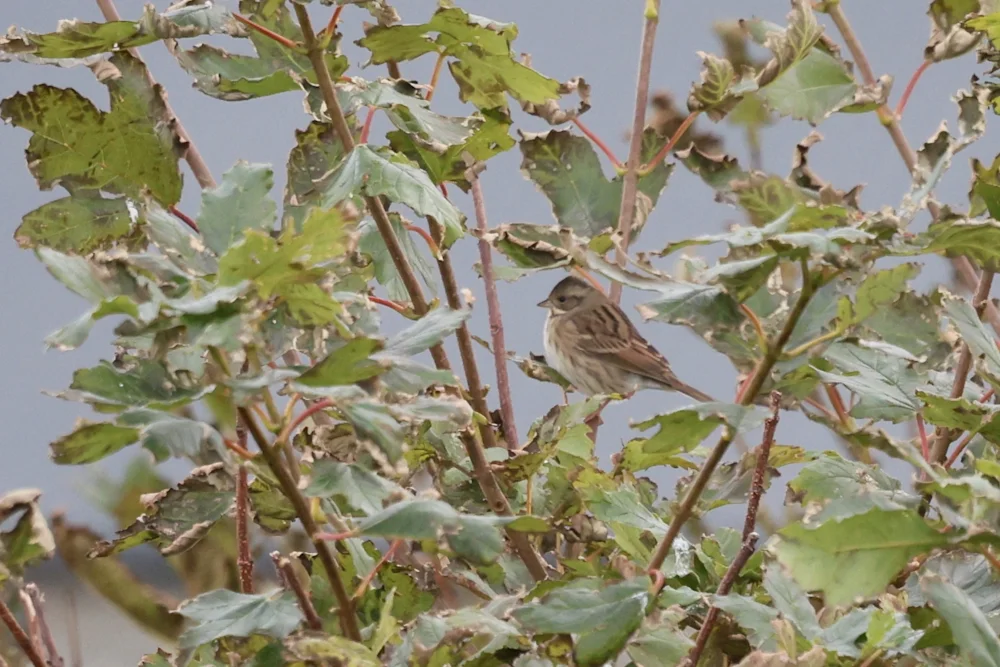
Black-faced Bunting, Quendale, Mainland, Shetland (Will Scott).
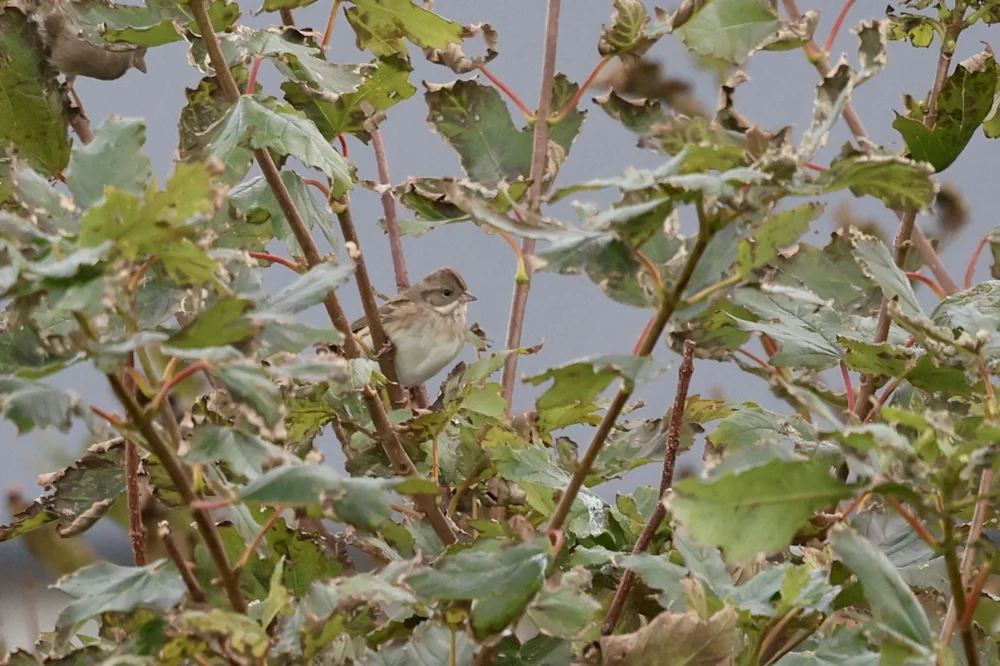
Black-faced Bunting, Quendale, Mainland, Shetland (Will Scott).
Both rare autumn Locustella warblers, Pallas's Grasshopper and Lanceolated Warblers, are more synonymous with Shetland than anywhere else in Britain. Amazingly, both were on offer to visitors this week: a four-day Pallas's Grasshopper Warbler at Valyie, Unst, and a showy Lanceolated Warbler at Sumburgh, Mainland, on 8th. Sumburgh boasted a brief Black-throated Thrush the next day, with a Hornemann's Arctic Redpoll and two Western Bonelli's Warblers also on the mainland.
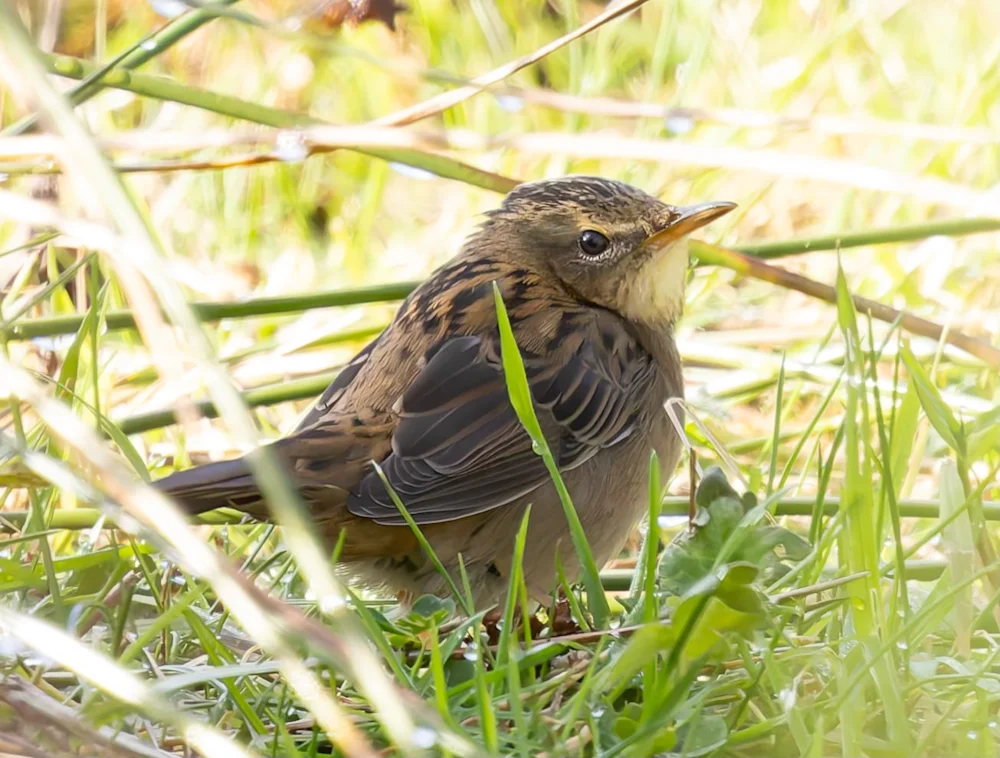
Pallas's Grasshopper Warbler, Valyie, Unst, Shetland (Mike Carr).
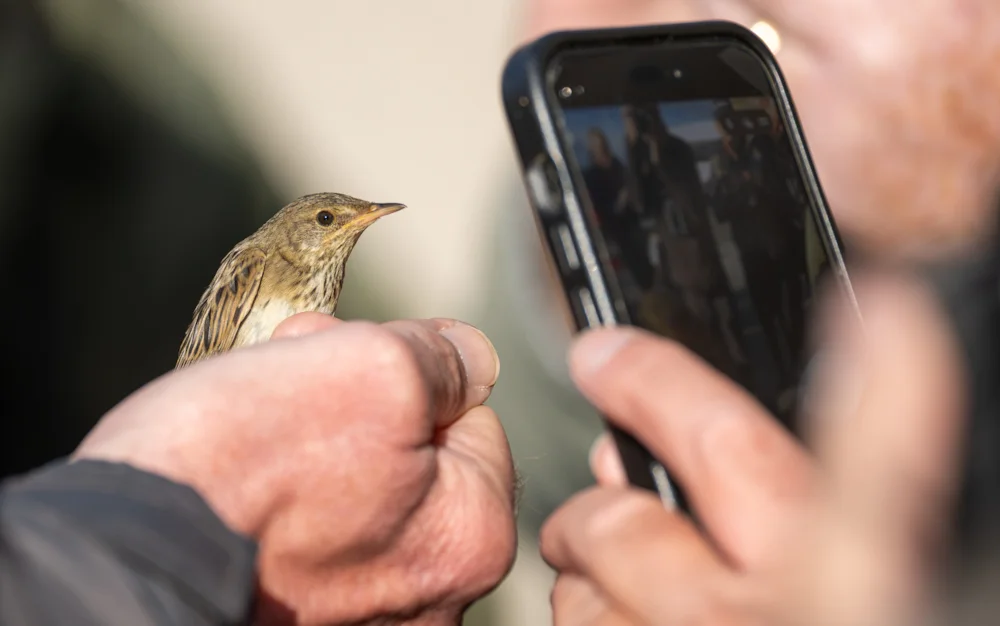
Lanceolated Warbler, Sumburgh, Mainland, Shetland (Steven Fryer).
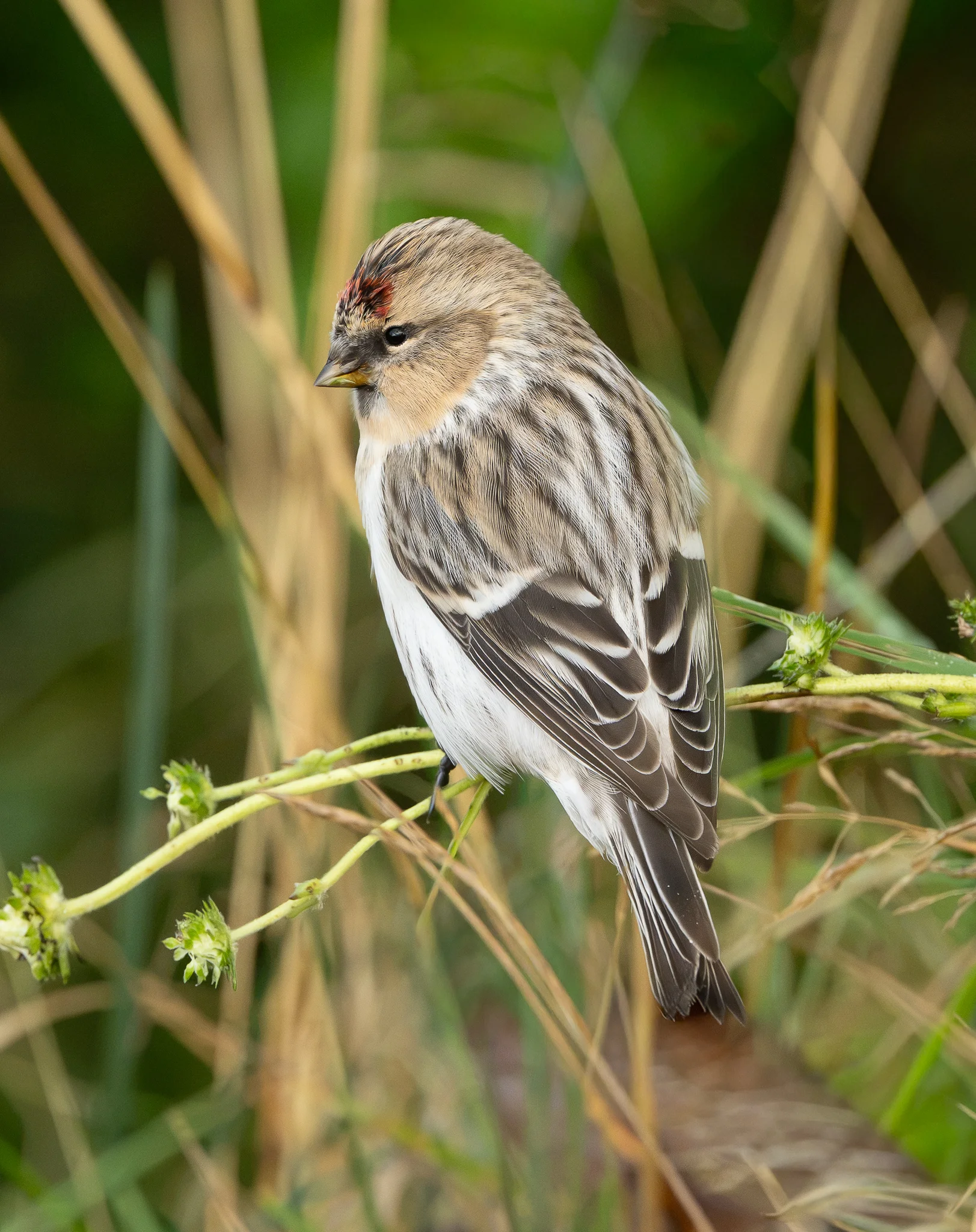
Hornemann's Arctic Redpoll, Lerwick, Mainland, Shetland (Steven Fryer).
A Bonelli's warbler sp at Flamborough Head, East Yorkshire, was touted as a possible Eastern – though unfortunately wasn't heard to call – with a Zitting Cisticola at Trimley Marshes, Suffolk, evidence of dispersal from the county's fledgling breeding population. Other new passerines comprised single European Serin, Bluethroat, Red-throated Pipit, Greater Short-toed Lark and Greenish Warbler, two Citrine Wagtails and Richard's Pipits, three Radde's Warblers, Arctic Warblers, Rustic Buntings, Great Grey Shrikes, Red-backed Shrikes and Hoopoes (including a colour-ringed bird in Kent), four Dusky Warblers and Wrynecks, five Little Buntings, seven Olive-backed Pipits, and 18 Shore Larks.
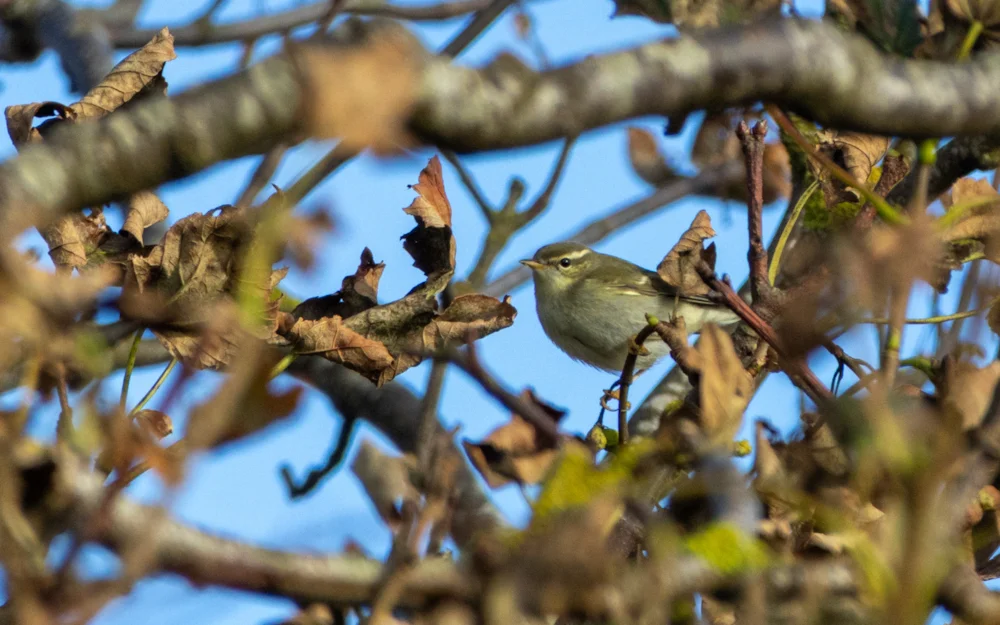
Arctic Warbler, Fladdabister, Mainland, Shetland (John Hague).
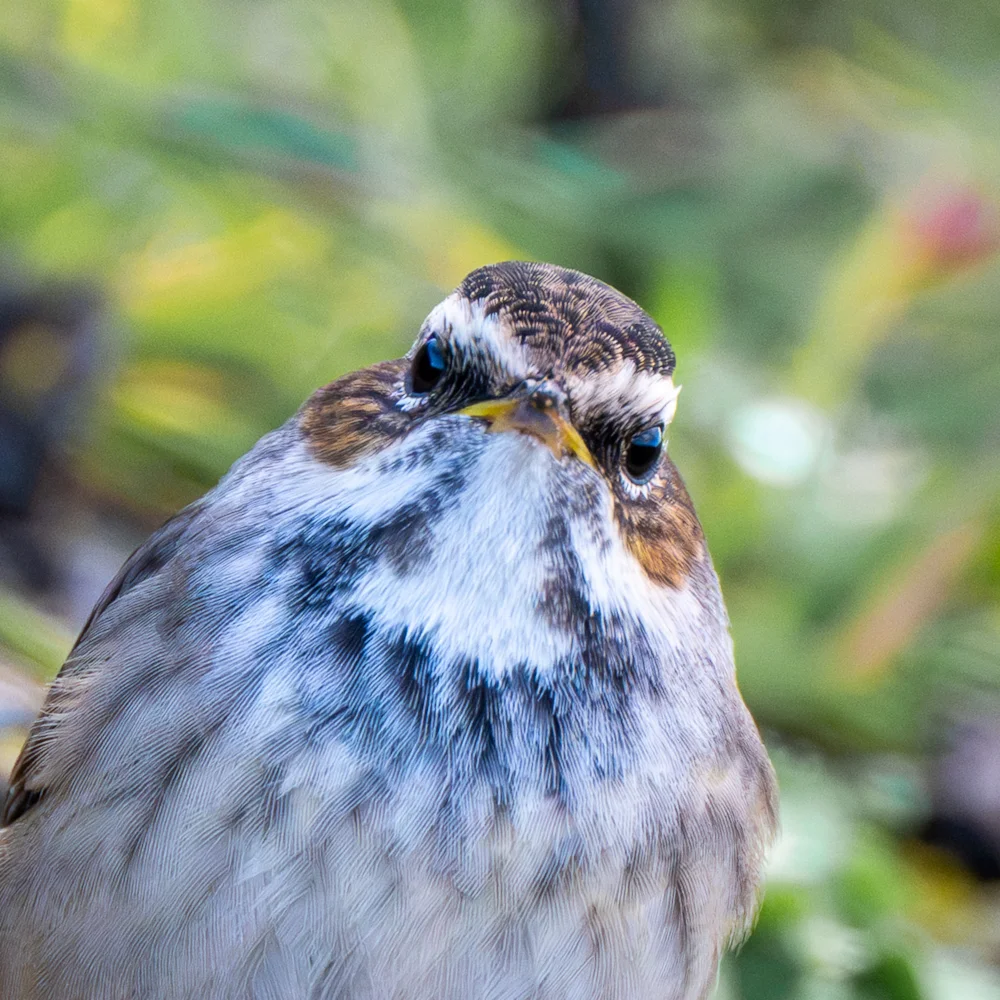
Bluethroat, Fleck, Mainland, Shetland (Tom Hines).
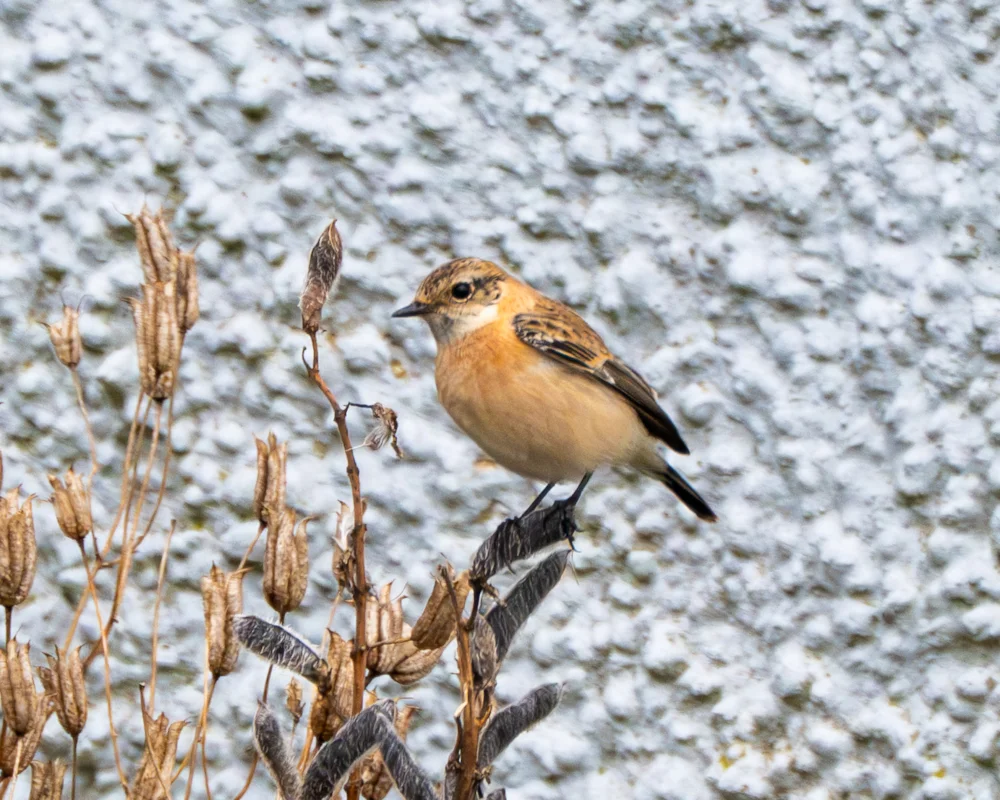
West Siberian Stonechat, Levenwick, Mainland, Shetland (Tom Hines).
Best of the rest
The Wilson's Snipe on St Mary's, Scilly, performed excellently throughout the week. There was a clear arrival of White-rumped Sandpipers, with a total of 16 discovered, with other new Nearctic shorebirds comprising two Lesser Yellowlegs, five Buff-breasted Sandpipers, seven Baird's Sandpipers and 12 American Golden Plovers, plus six Pectoral Sandpipers.
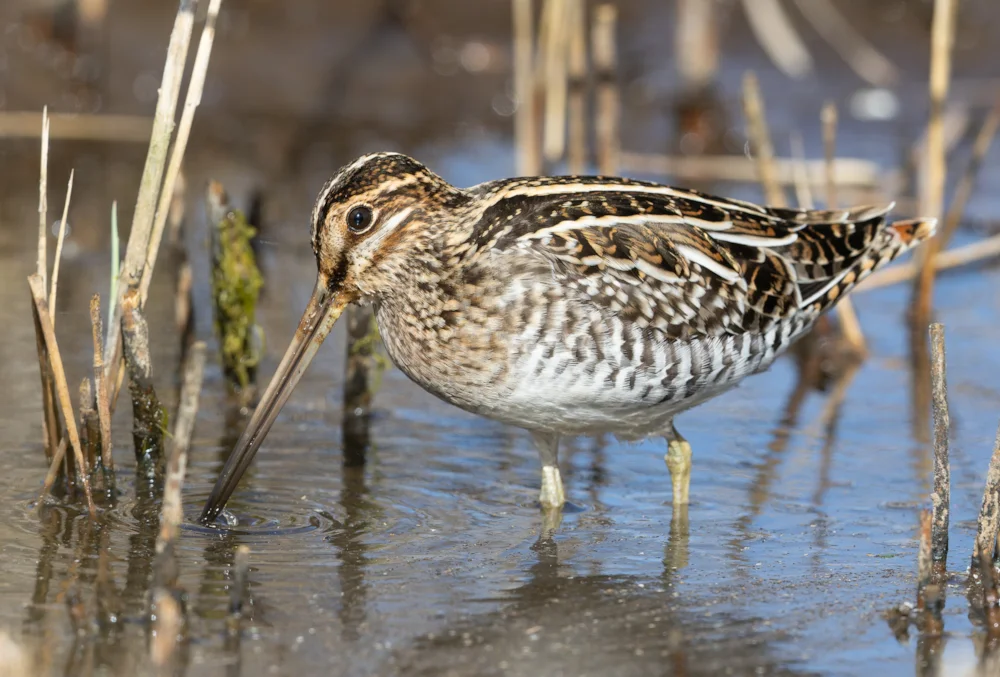
Wilson's Snipe, St Mary's, Isles of Scilly (Ian Wells).
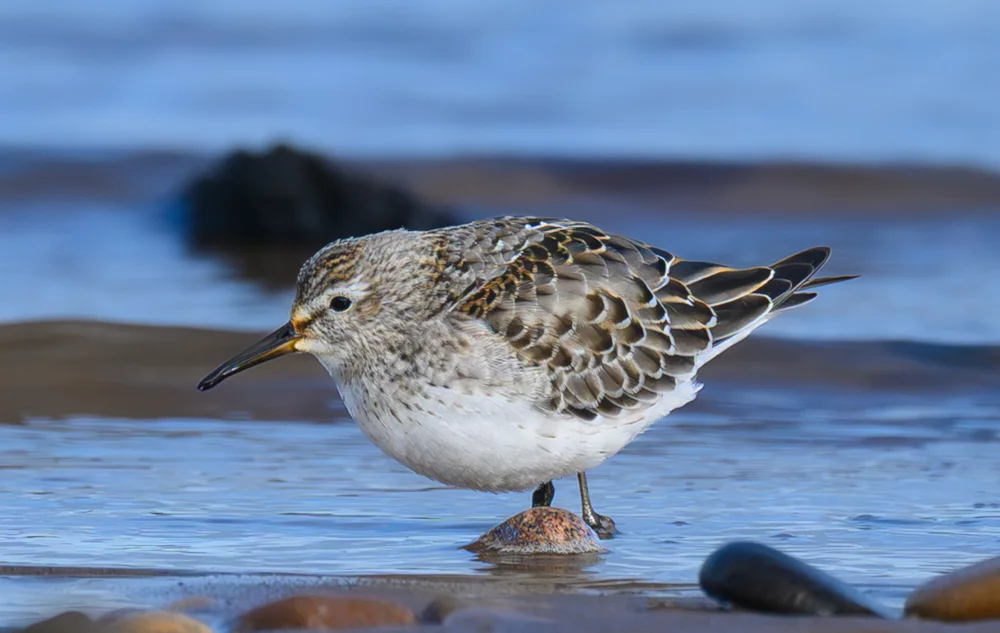
White-rumped Sandpiper, Ythan Estuary, Aberdeenshire (Ron Macdonald).
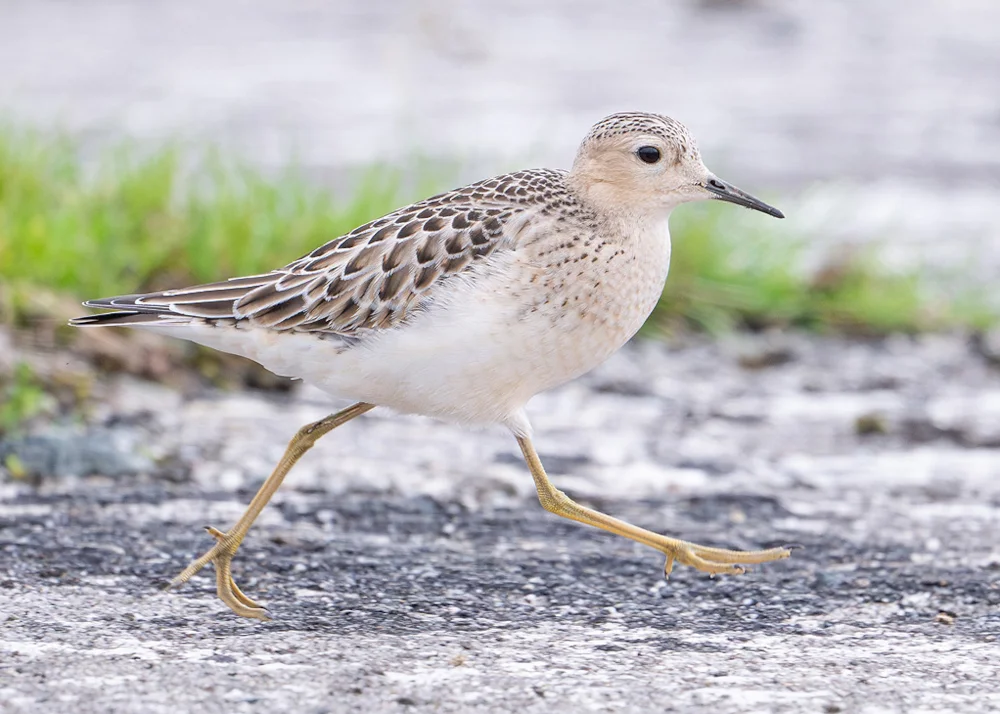
Buff-breasted Sandpiper, Davidstow Airfield, Cornwall (Ian Curran).
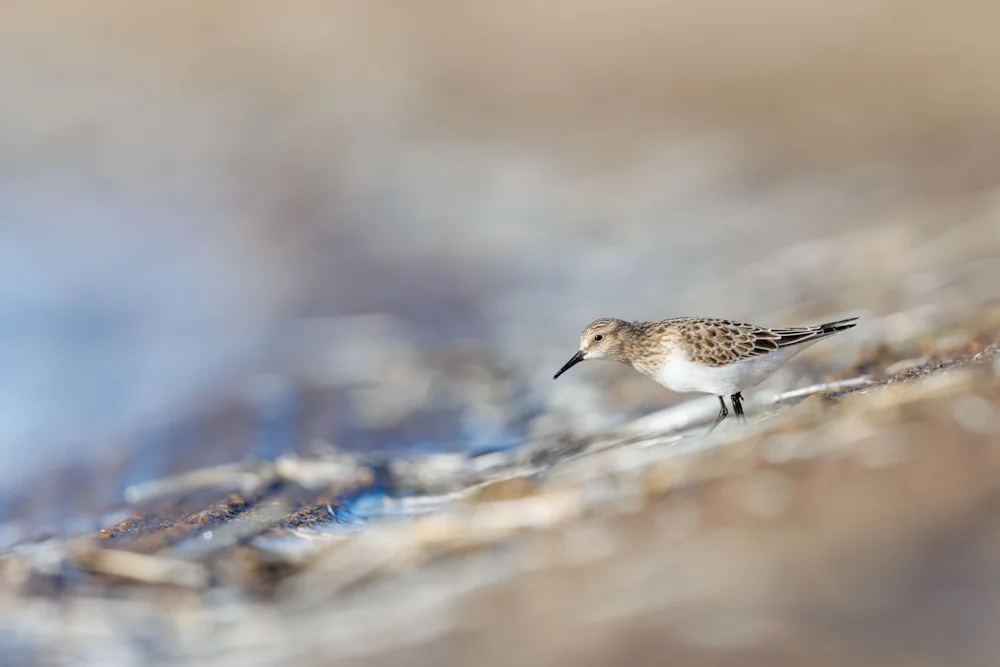
Baird's Sandpiper, undisclosed site, Lincolnshire (Nick Clayton).
A Desertas-type petrel flew north past North Ronaldsay, Orkney, on 8th and St Ives, Cornwall, scored a first-summer South Polar Skua on 9th. Bonaparte's Gulls were found in Cornwall, Angus and Argyll.
An adult Ross's Goose spent the week with Pink-footed Geese at Udale Bay, Highland, from 5th and a Todd's Canada Goose was with Pink-feet in Lancashire, with a second with Barnacle Geese in Northumberland. A new female King Eider was off Yell, Shetland.
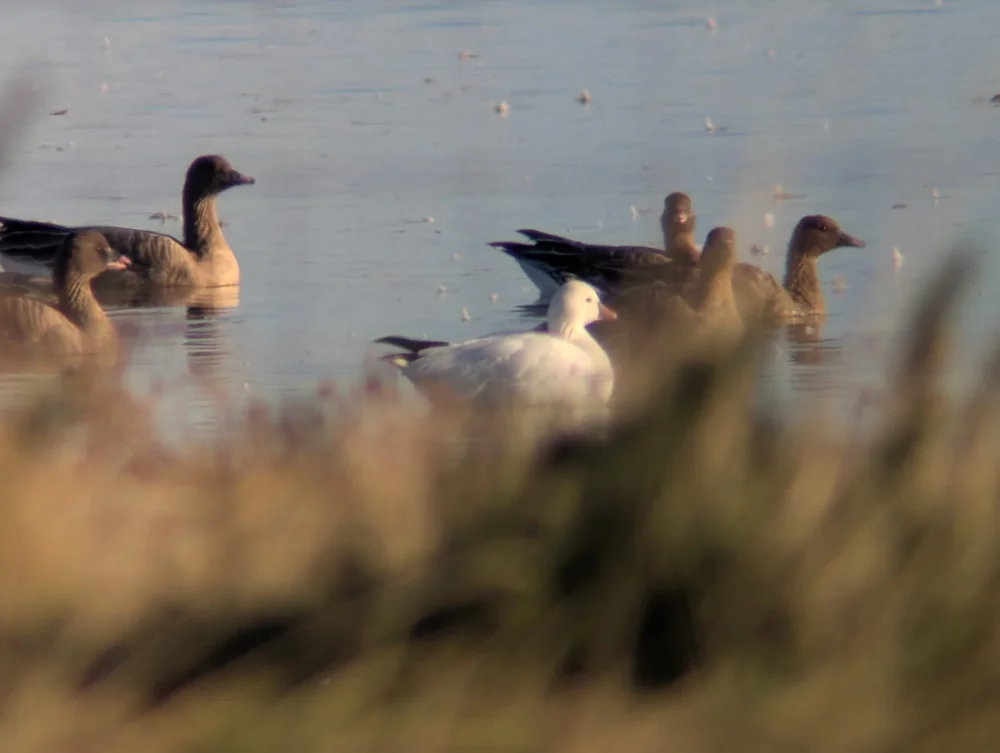
Ross's Goose (centre) with Pink-footed Geese, Udale Bay, Highland (Louis Backstrom).
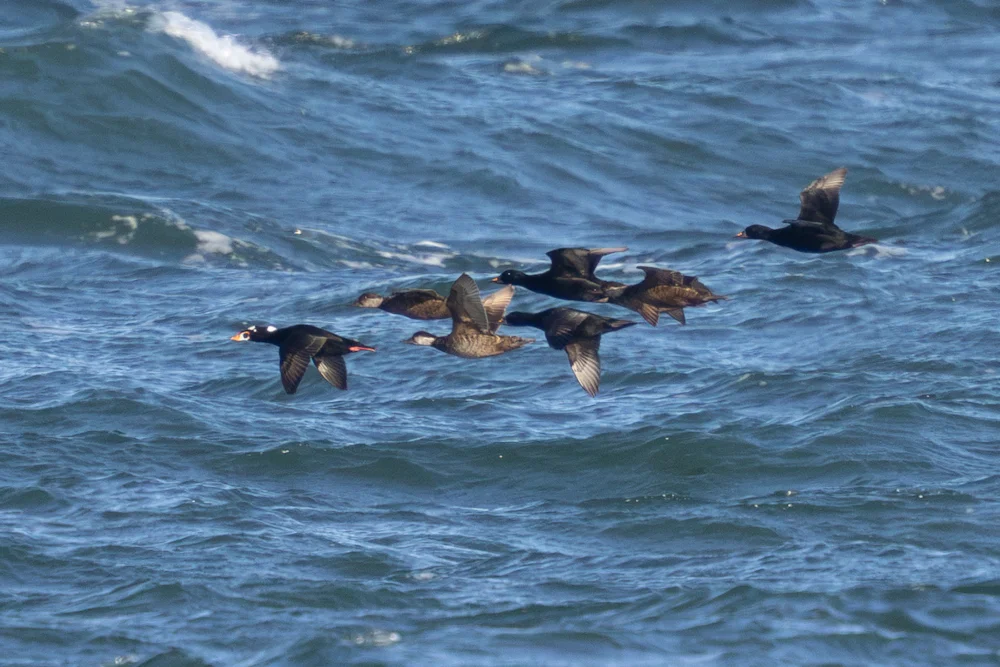
Surf Scoter (left bird) with Common Scoter, Beadnell (village), Northumberland (Gary Woodburn).
Western Palearctic
A Yellow-throated Vireo found by holidaying British birders at Ýrafossvirkjun, Iceland, on 6th is the pick of the bunch of Nearctic passerine finds in the region thus far this autumn. A national first, it is the 10th on record for the region, following six in the Azores and singles in Britain, Germany and the Canary Islands.
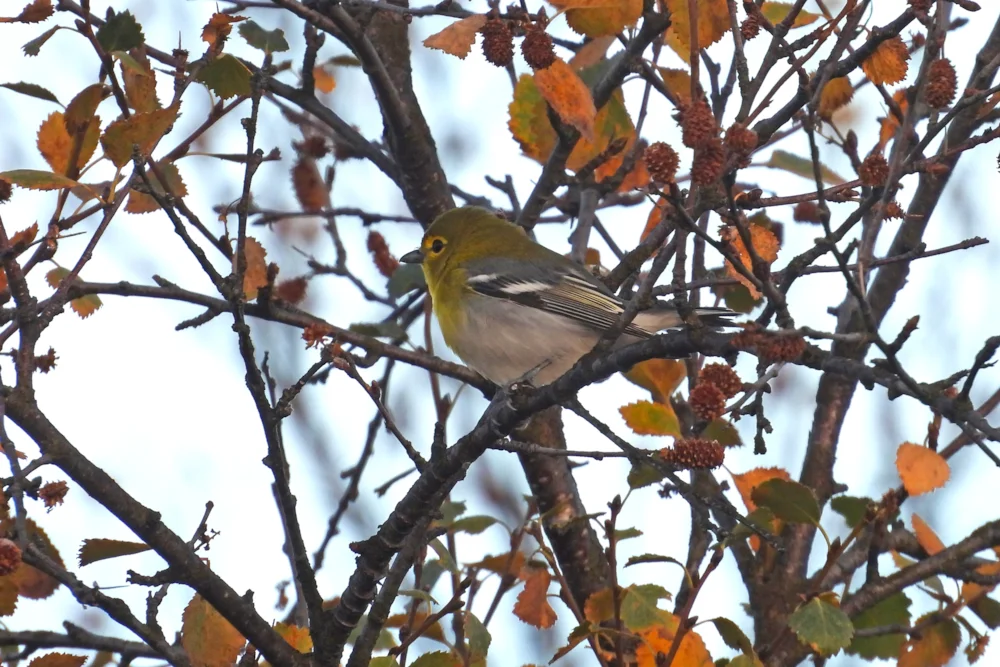
Yellow-throated Vireo, Úlfljótsvatn, Iceland (Meg Nicklin).
Recent weeks have seen an ongoing irruption of asiatica Eurasian Nuthatches into parts of Finland. Slender-billed Northern Nutcrackers, meanwhile, continued to roam widely across Germany and the Low Countries. An Asian Desert Warbler was in Catalonia, Spain, and a Pallas's Grasshopper Warbler was on Heligoland, Germany.

