
Freezing conditions dominated before the violent arrival of Storm Goretti in south-west England on 8th resulted in a wild mix of rain, wind, snow and ice across Britain and Ireland for the remainder of the week. This shake-up in proceedings produced a few decent scarcities, while many of the winter's most popular winter visitors remained in place for an action-packed start to 2026.
One of the most unexpected records of the week hailed from Amwell NR, Hertfordshire, where an out-of-place Corncrake was photographed on 5th. Not only was it notable for its midwinter appearance – the species more typically spends the winter in Central and Southern Africa – but also its extreme rarity locally. It becomes only the second county record since 1995, with the other found eaten by a Peregrine Falcon in 2024.
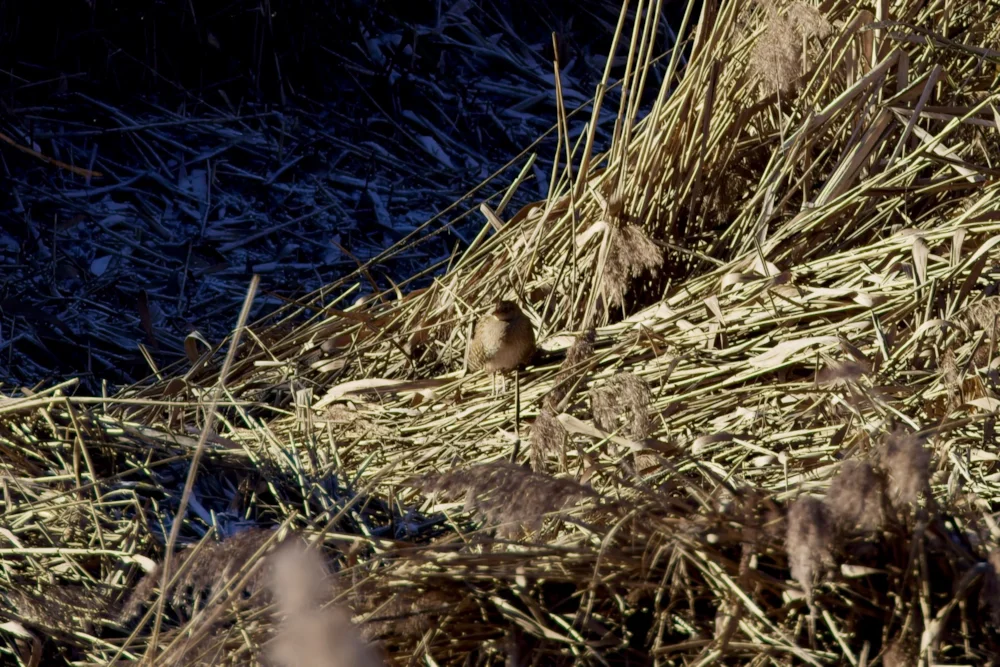
Corncrake, Amwell NR, Hertfordshire (Neil Woodford).
Getting 2026 off to a fantastic start was an exciting array of lingering rare and scarce passerines, namely Eastern Black Redstart and Black-bellied Dipper in Norfolk, Richard's Pipit in Cleveland, Pallas's Warbler in Cornwall, two Zitting Cisticolas in Suffolk and Northern Long-tailed Tit in Shetland. There was another credible (though unconfirmed) report of a male Siberian Thrush at Seasalter, Kent, on 5th.
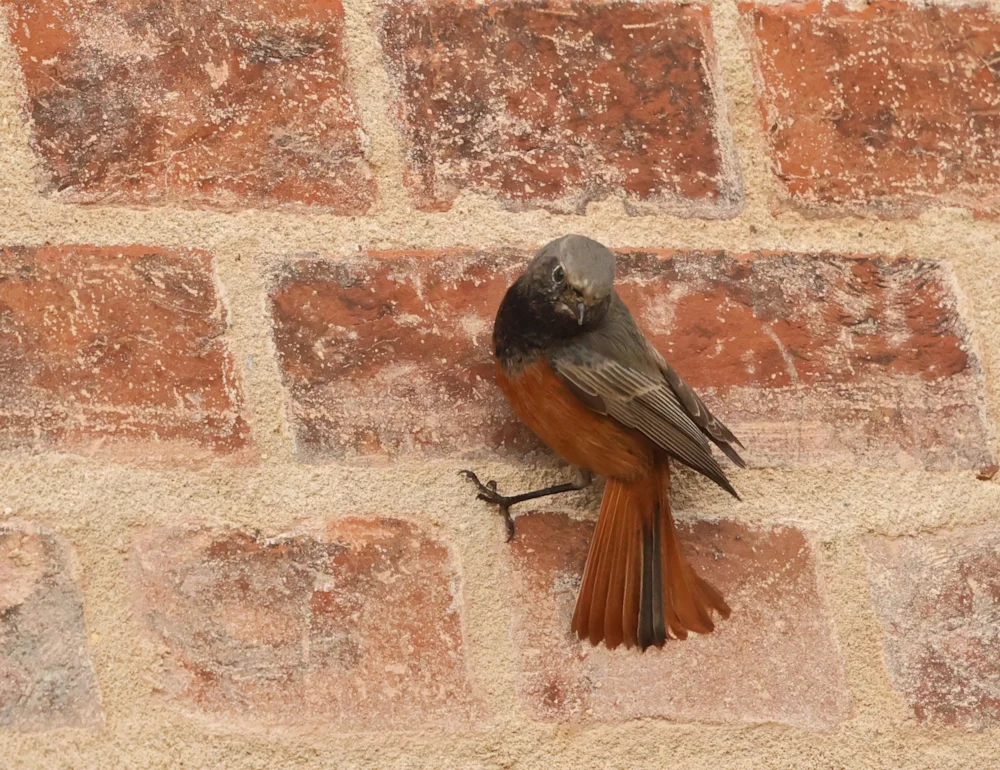
Eastern Black Redstart, Sheringham, Norfolk (Mark Leitch).
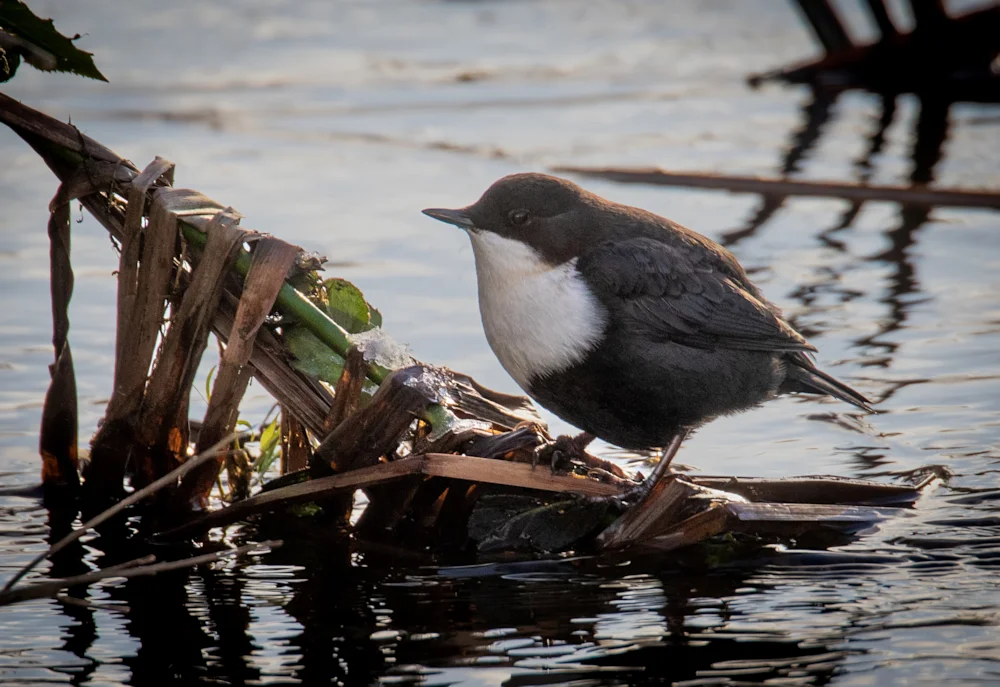
Black-bellied Dipper, Bintree Mill, Norfolk (Sean Gray).
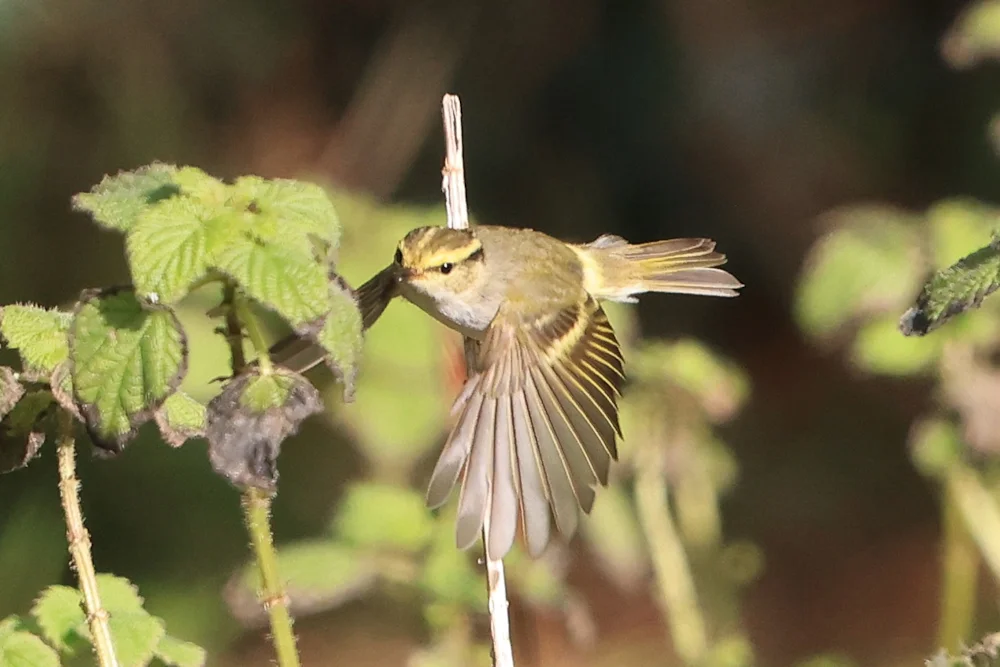
Pallas's Warbler, Penrose, Cornwall (Adrian Lea).
On 11th, a Red-flanked Bluetail near Oxted, Kent, became a welcome first for the London Natural History Society recording area, being inside the boundary by approximately 250 m! Range expansion throughout Fennoscandia has been reflected in the upsurge of British records in recent years, yet it remains a rare commodity in the South-East. The Kent bird is likely to prove one of the stars of January for regional birders.
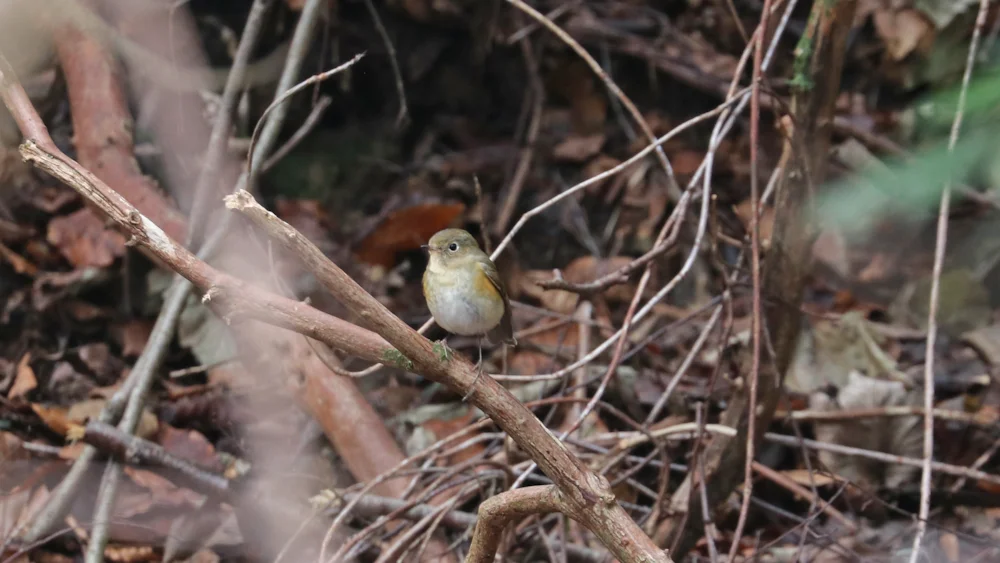
Red-flanked Bluetail, Crockham Hill, Kent (Rik Addison).
Two Eurasian Penduline Tits at Greylake RSPB, Somerset, on 10th were new and complemented three lingering in Avon. Elsewhere were Hoopoes still in Lincolnshire and Co Kerry, Great Grey Shrikes in Hampshire and Lincolnshire, and Shore Larks at four sites. A sighting of the presumed ship-assisted Pied Crow in Galway, Co Galway, on 9th is the first concrete confirmation of its continued presence in some six months, with another ship-assisted vagrant – Great-tailed Grackle – still at Holbury, Hampshire.
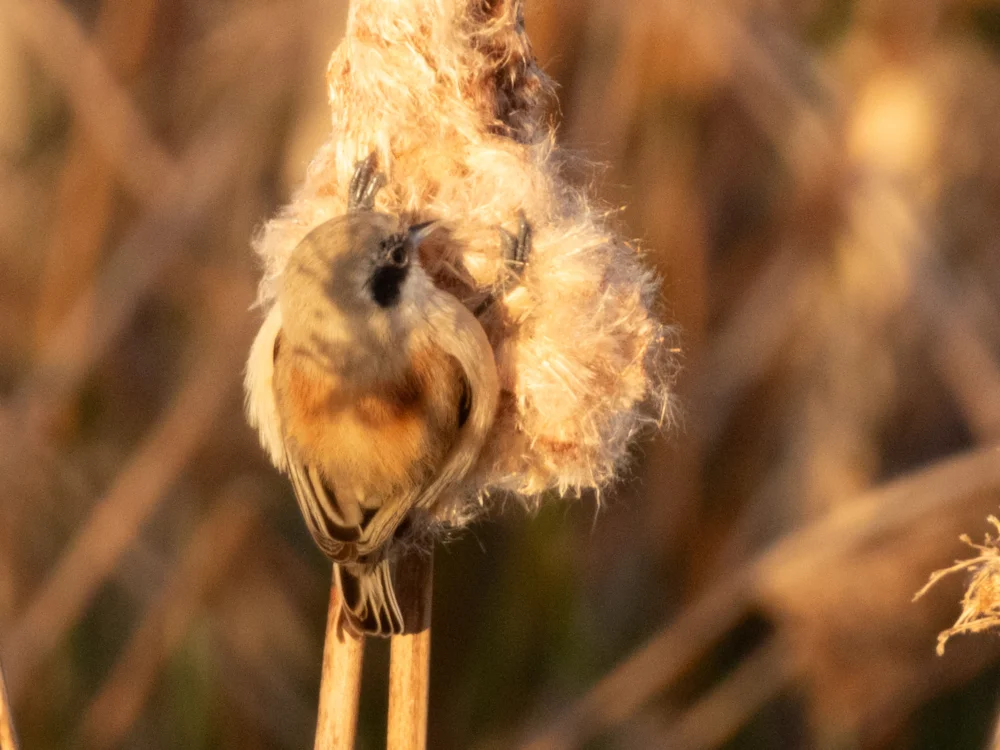
Eurasian Penduline Tit, Aust, Avon (John Hague).
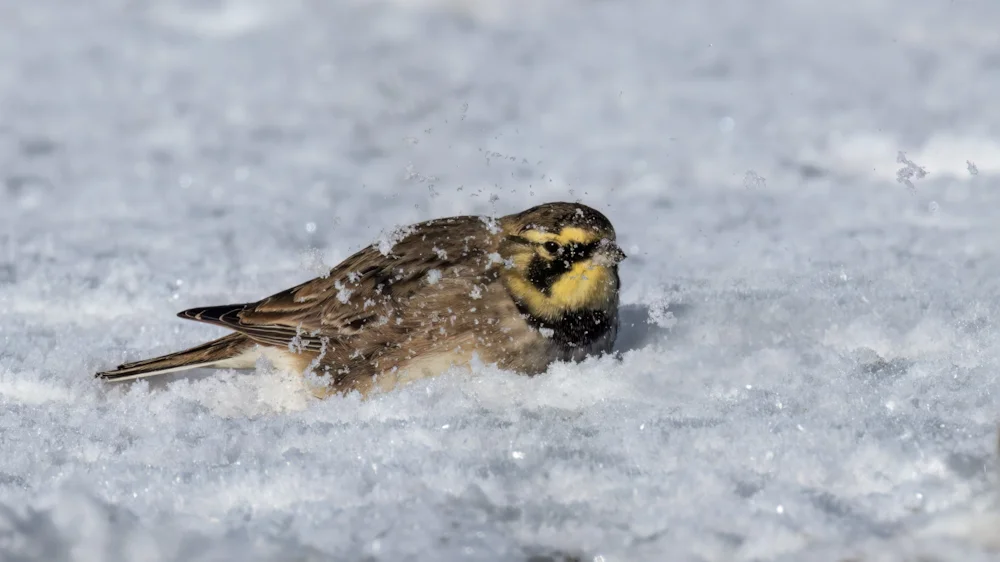
Shore Lark, Kessingland, Suffolk (Chris Darby).
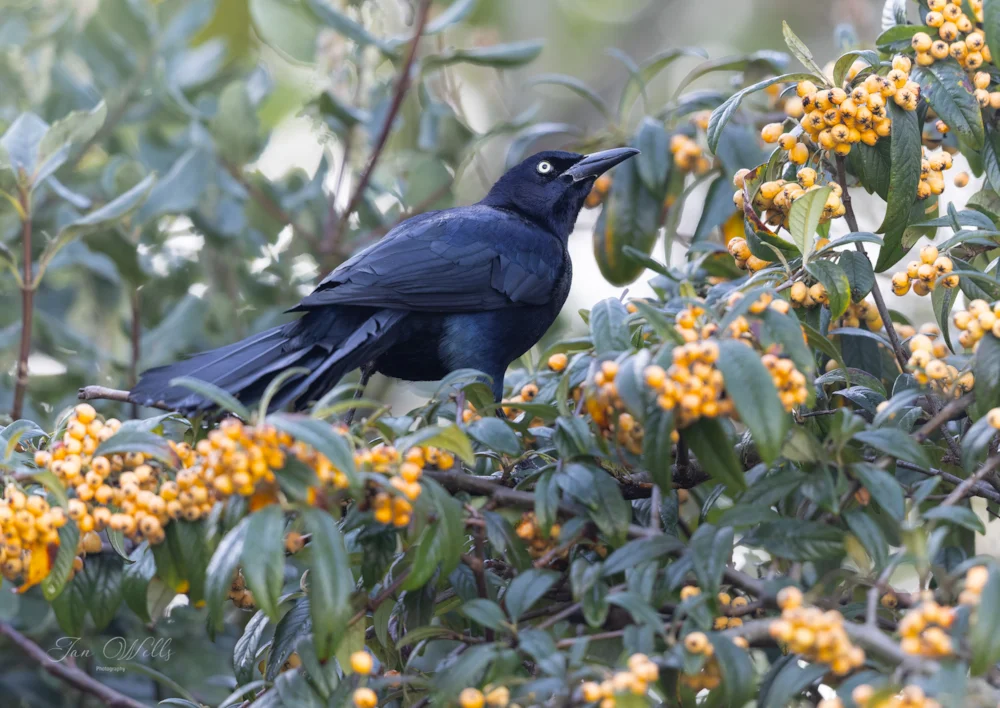
Great-tailed Grackle, Holbury, Hampshire (Ian Wells).
Roaming the Lower Derwent Valley, North Yorkshire, from 27 December, an unringed, untagged immature White-tailed Eagle is thought to be a rare genuine visitor from continental Europe. Elsewhere, the Black-winged Kite remained in Norfolk throughout, two Northern Harriers were still at Tacumshin, Co Wexford, and the ringtail Pallid Harrier continued in Glamorgan.
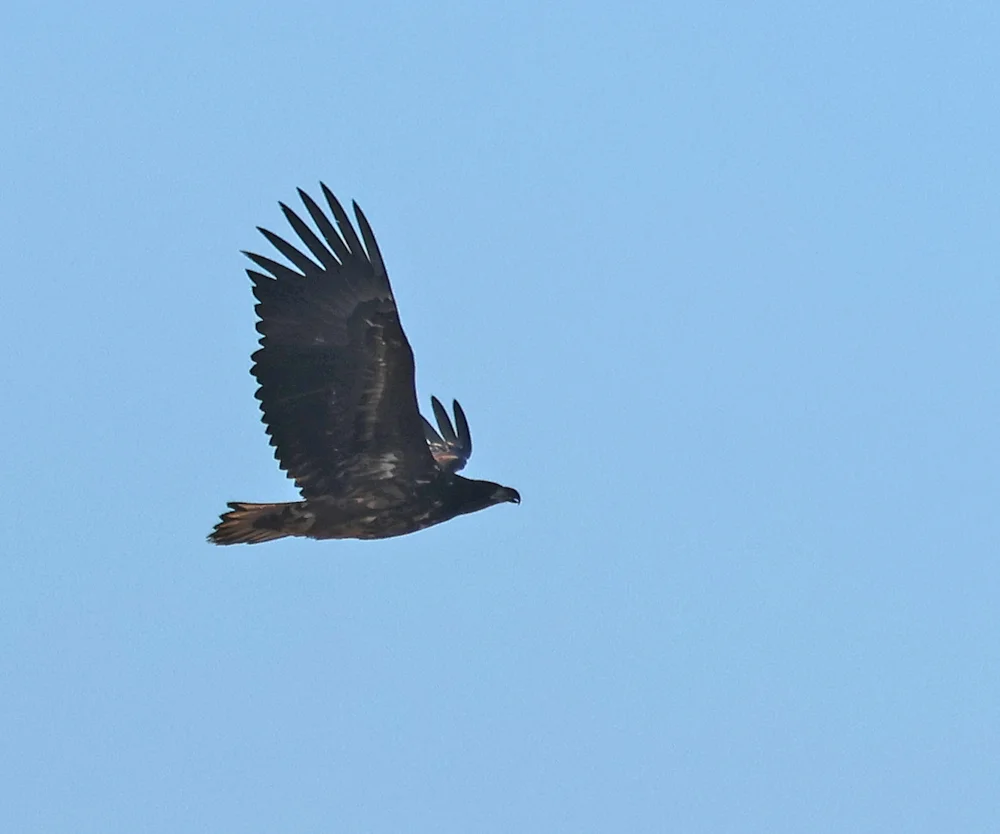
White-tailed Eagle, Ellerton Ings, East Yorkshire (Paul Bateson).
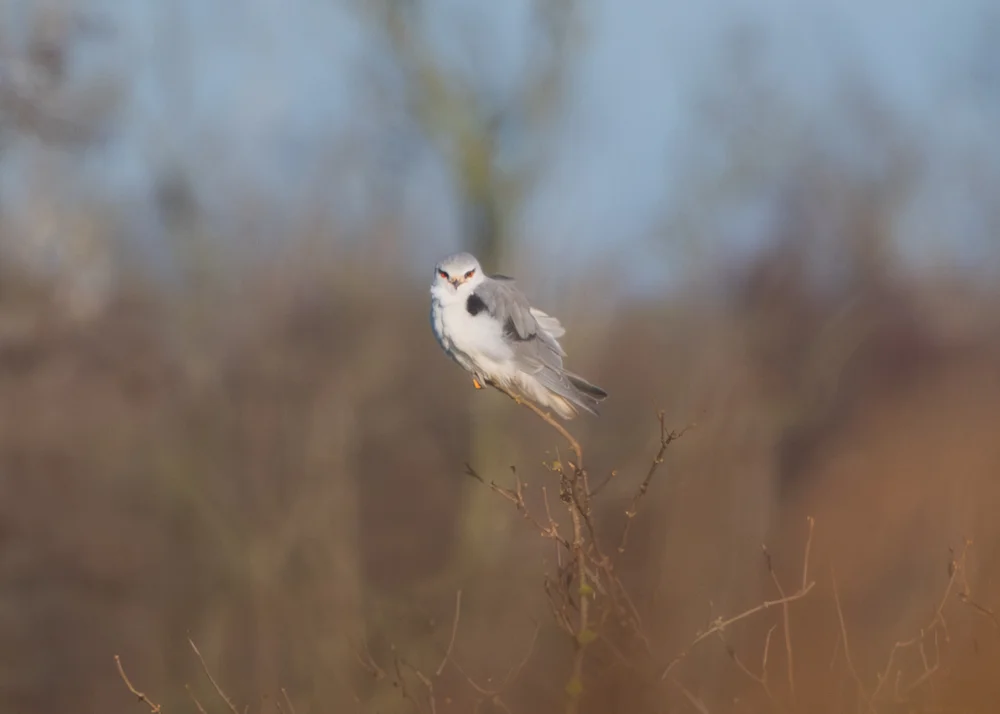
Black-winged Kite, Ludham Bridge, Norfolk (Tom Hines).
Dornoch, Highland, could stake a strong claim for being site of the week, where an impressive roll-call of sightings included an adult drake Black Scoter, a first-winter drake King Eider, two Surf Scoter, 50 Greater Scaup and 250 Snow Buntings. Additional Surf Scoter were in Lancashire, Denbighshire, Dumfries and Galloway and the Outer Hebrides, with White-winged Scoter again in Lothian and Fife.
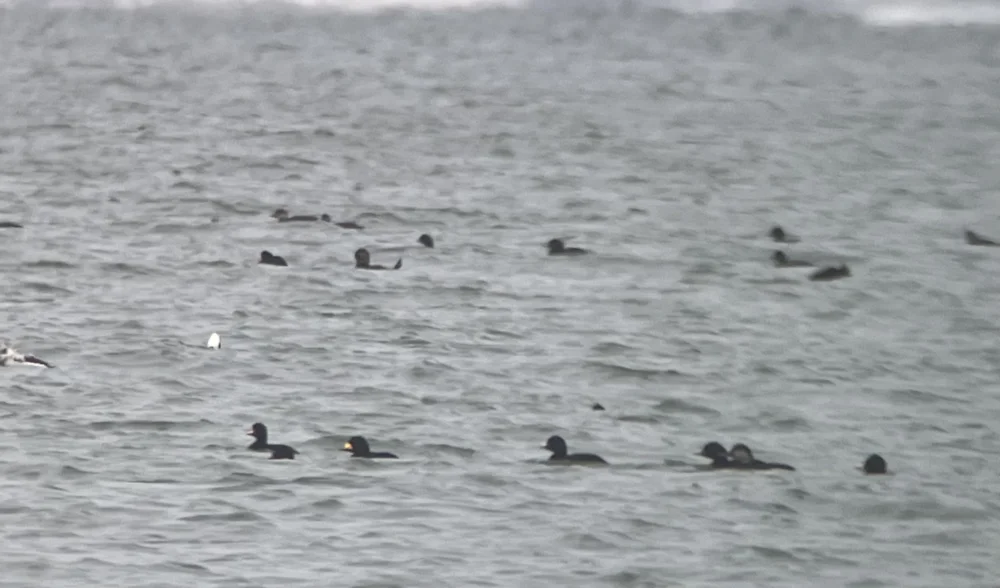
Black Scoter (left of centre) with Common Scoter, Dornoch, Highland (Matt Eade).
Irish birders had plenty to enjoy on the wildfowl front as well, with lingering Harlequin Duck in Co Donegal, American Coot in Co Wexford and Bufflehead in Co Kerry and Co Wexford. At the same time, Welsh birders rejoiced at the reappearance of their drake Bufflehead in Caernarfon. The relocation of Derbyshire's Ring-necked Duck (one of 45 in Britain and Ireland) to a small duck pond near Ilkeston was unsurprisingly very popular and provided unbeatable close-range views; elsewhere were four Ferruginous Duck, 10 Lesser Scaup, 10 American Wigeon, 13 Green-winged Teal and 58 Smew.
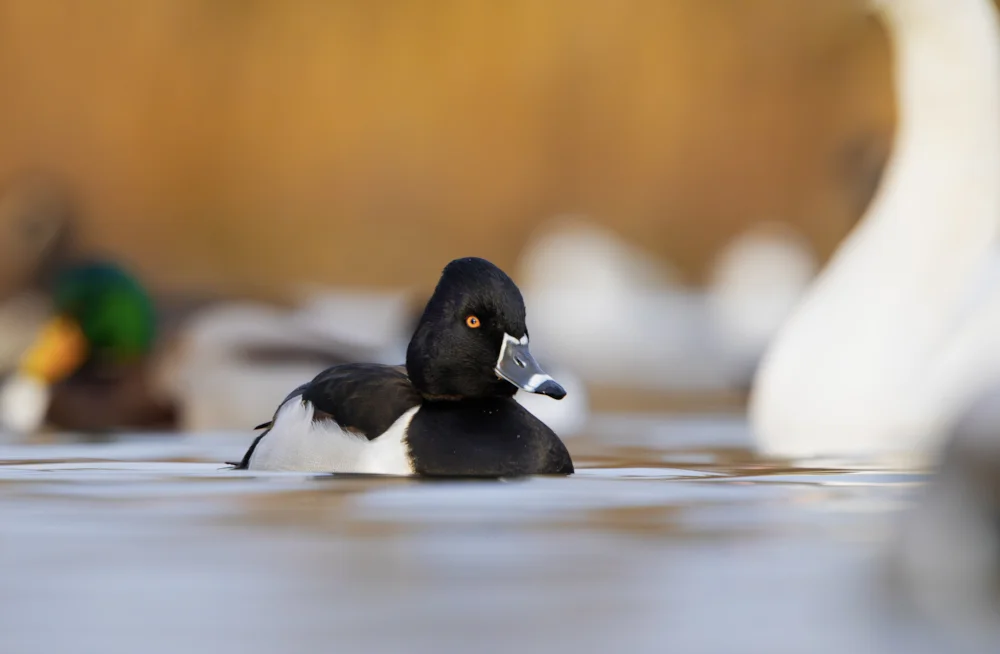
Ring-necked Duck, Straw's Bridge NR, Derbyshire (Miles Cluff).
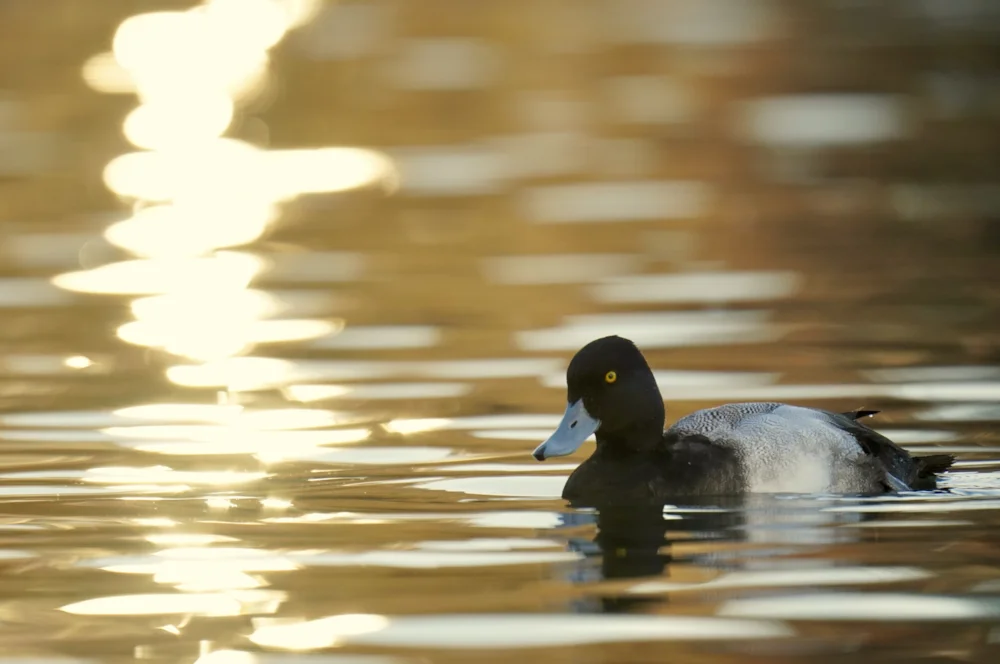
Lesser Scaup, Helston, Cornwall (Nathanael Poffley).
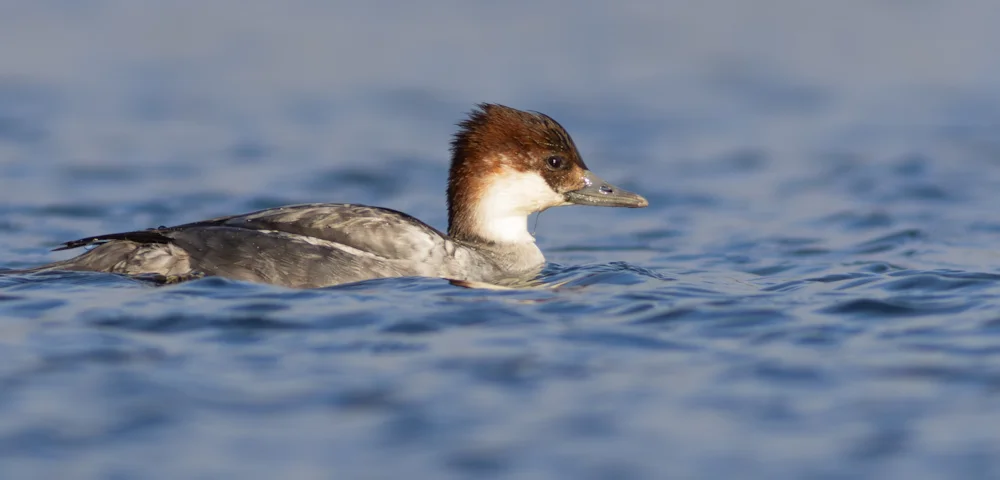
Smew, Southport, Lancashire (Pierre Montieth).
Russian White-fronted and Tundra Bean Geese were again widespread across much of England and Wales, albeit in slightly reduced numbers. Tundra Bean Geese were at no fewer than 65 sites in 29 counties; a particularly notable flock at Otmoor RSPB, Oxfordshire, comprised 20 Tundra Bean and 80 Russian White-fronted Geese.
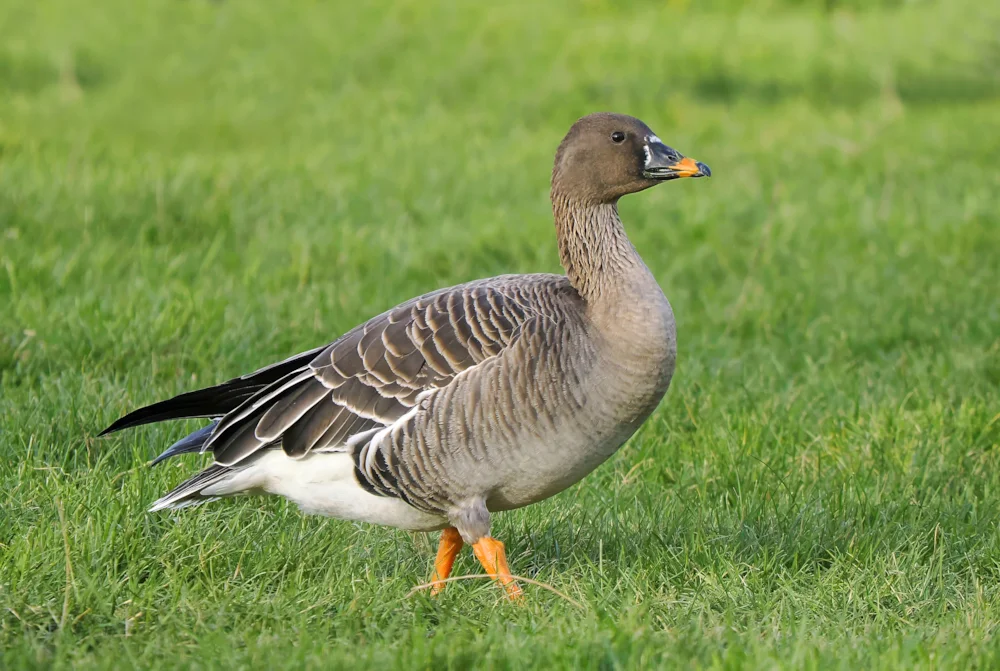
Tundra Bean Goose, Islip, Northamptonshire (Mark Joy).
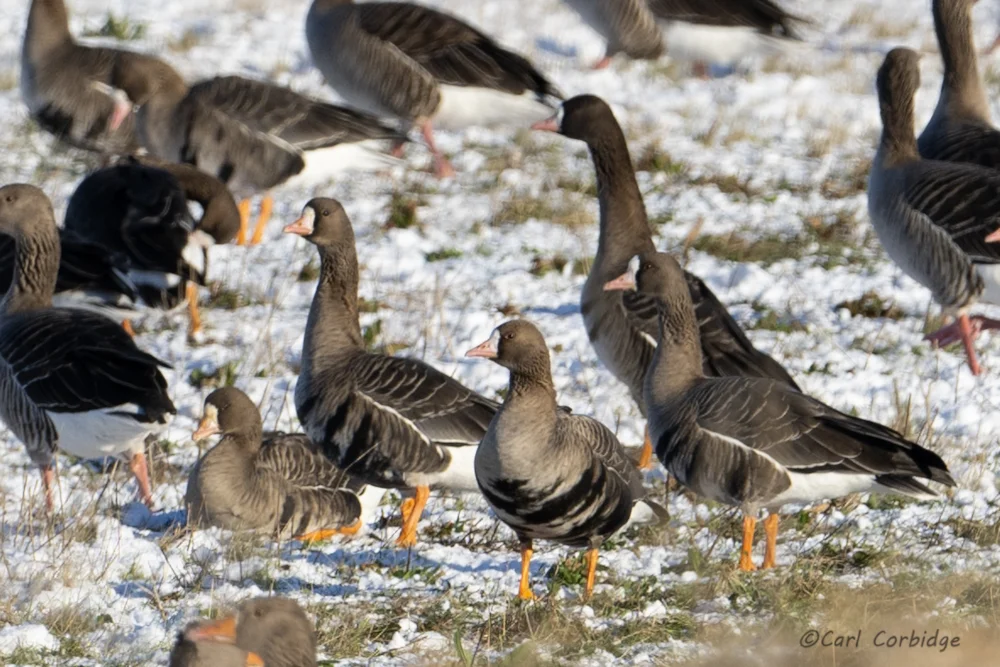
Russian White-fronted Geese, Patrington, East Yorkshire (Carl Corbidge).
Three Taiga Bean Geese at Derryniell are the first-ever record of either bean goose species for Co Roscommon. It was another great week for Taiga Beans, with 11 at West Freugh, Dumfries and Galloway, also new finds. Argyll held onto its Ross's Goose and three Snow Geese included the popular white-morph adult with Whooper Swans in Lincolnshire. Red-breasted Geese were again in Essex and on Islay, Argyll, and three Black Brant were in eastern England.
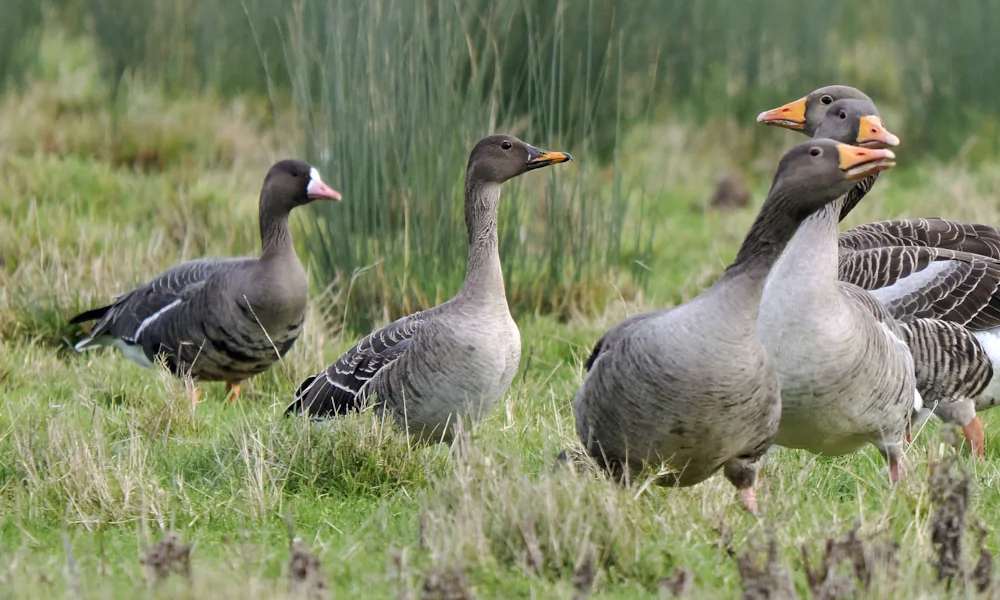
Probable Taiga Bean Goose (central bird) with Russian White-fronted Goose (left bird) and Greylag Geese (right birds), North Point Pools, Norfolk (Mark Joy).
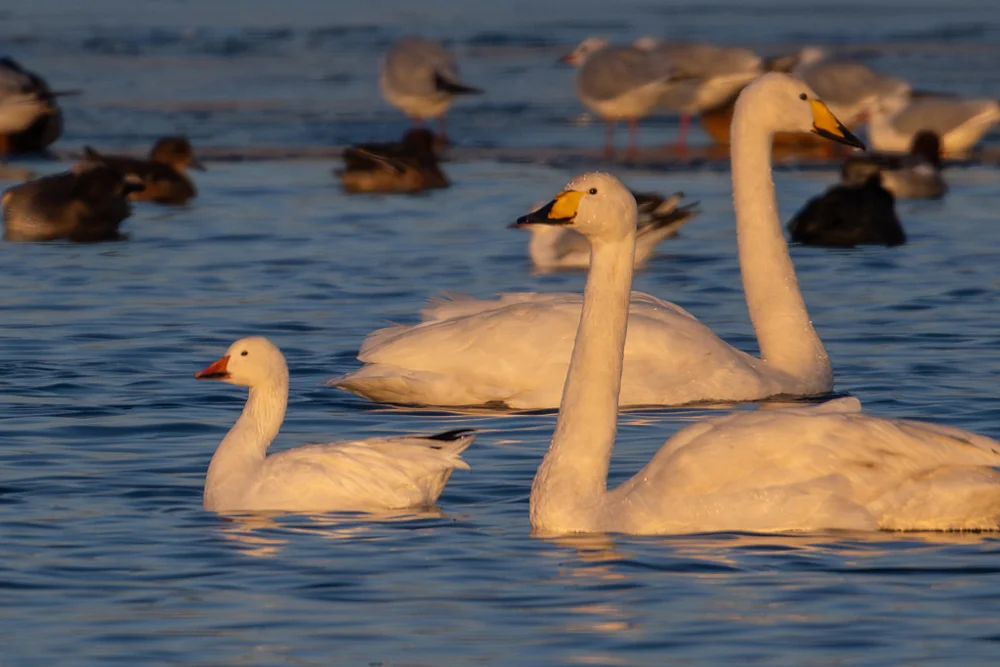
Snow Goose (left bird) with Whooper Swans, Deeping Lakes LWT, Lincolnshire (Ian Curran).
Five Ring-billed Gulls included a new first-winter at Arklow, Co Wicklow, and the adult Bonaparte's × Black-headed Gull hybrid was again at Cork City, Co Cork, throughout, while two Kumlien's Gulls (in Cornwall and Orkney) were welcome additions. The resident Double-crested Cormorant remained in Co Leitrim.
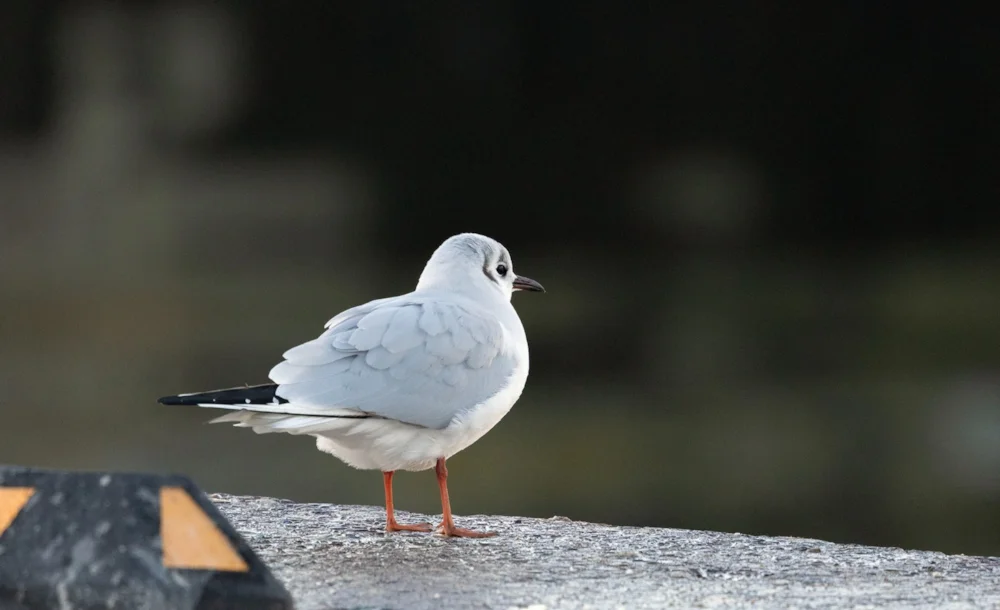
Bonaparte's × Black-headed Gull, Cork City, Cork (Harry Hussey).
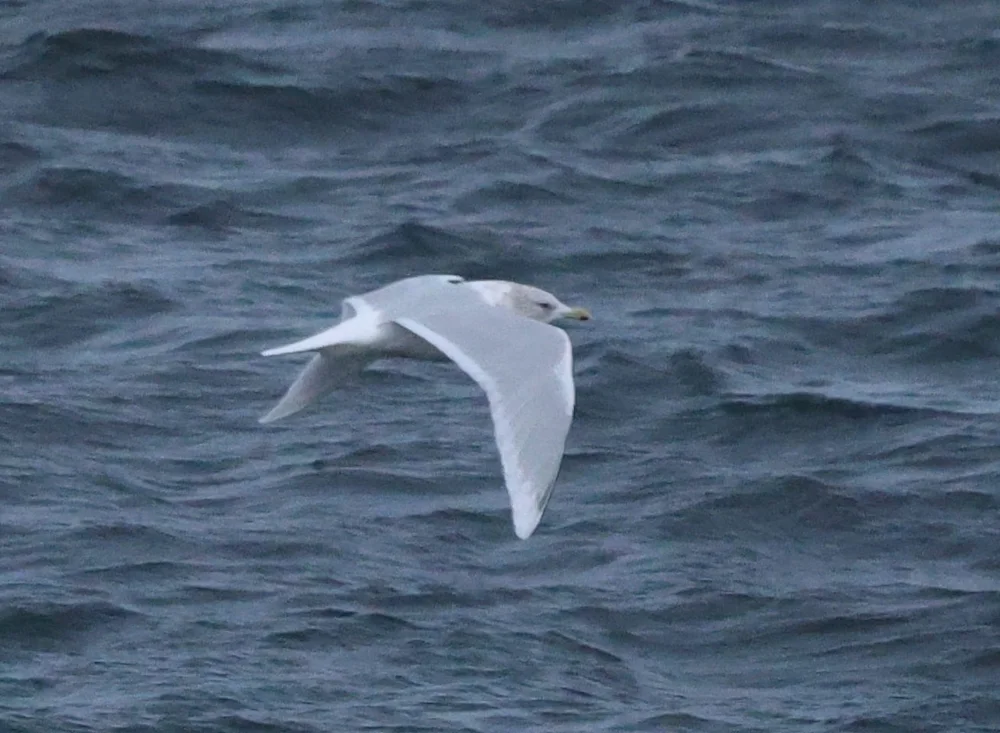
Kumlien's Gull, Westray, Orkney (Sandra Otter).
Lingering shorebirds comprised Semipalmated Sandpiper in Co Clare, Spotted Sandpiper in Co Waterford, Long-billed Dowitcher in Angus, Kentish Plover in Somerset and three Lesser Yellowlegs. There was an unseasonal record of a Eurasian Stone-curlew heading north past Great Yarmouth, Norfolk, on 5th
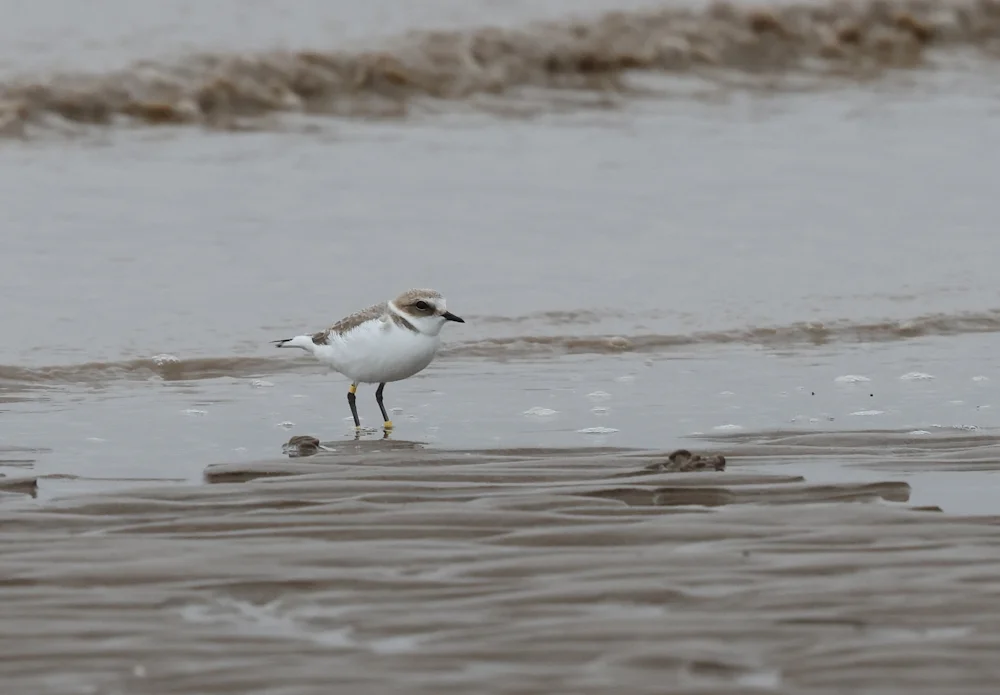
Kentish Plover, Burnham-on-Sea, Somerset (Raoul Chandrasakera).
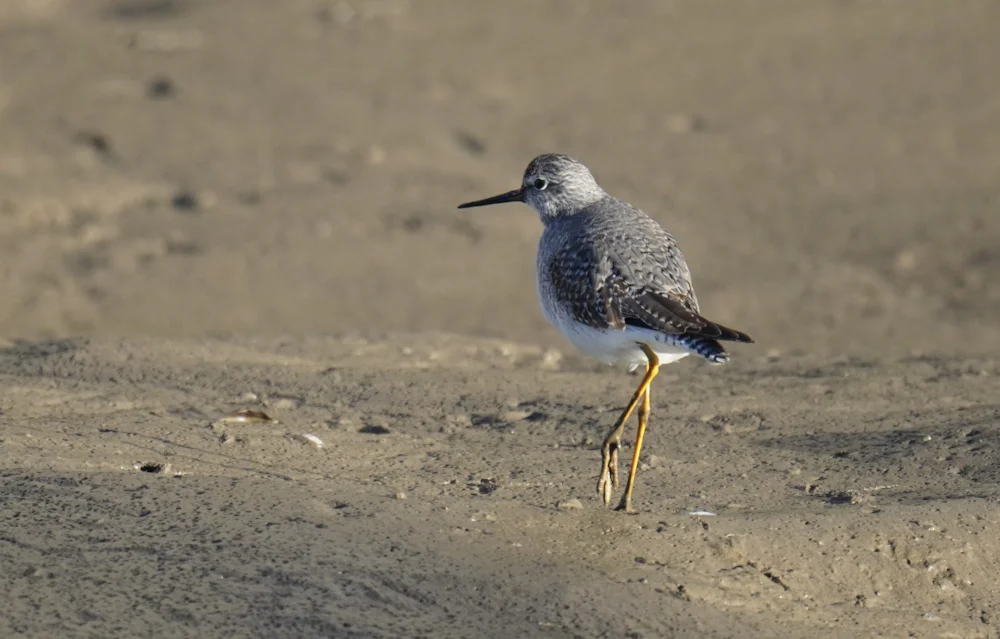
Lesser Yellowlegs, Truro, Cornwall (Nathanael Poffley).
Western Palearctic
Exciting news from the Channel coast of France saw a White-winged Snowfinch found near Le Havre. The species is currently absent from the British list, though this position is controversial in some quarters: an adult male was present at Lakenheath, Suffolk, between June 1969 and June 1972. Belted Kingfisher, Forster's Tern, Northern Harrier and Oriental Turtle Dove were also in France.
Arguably attracting the most attention was a drop-dead gorgeous Azure Tit in the snow near Trondheim, Norway, from 5th. This national first will likely attract plenty of admiring glances from visiting birders over the next few weeks. Poland's first Siberian Pipit was an undoubted star in Eastern Europe, with the country also recording its third Pine Bunting. The region's second Short-billed Gull was again on Vágar, Faroe Islands, on 5th, with Denmark hanging onto lingering Dusky Thrush and Stejneger's Scoter. The Baltimore Oriole remained in Iceland.
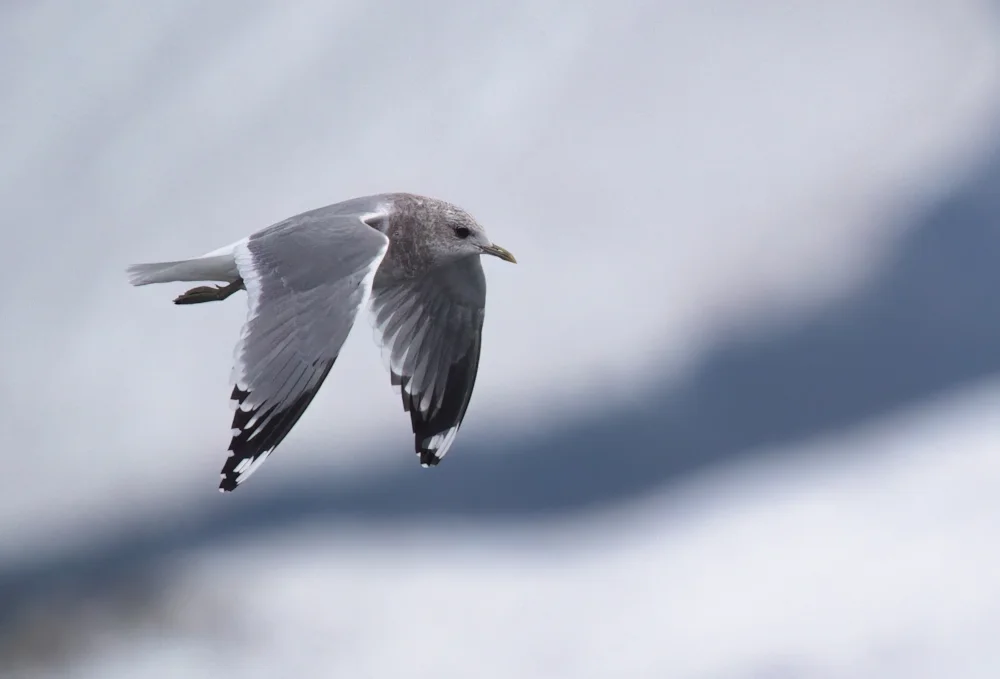
Short-billed Gull, Miðvágur, Vágar, Faroe Islands (Silas Olofson).
Disappointingly, views of a highly probable Siberian Accentor at Eemshaven, Netherlands, on 9th weren't quite good enough to rule out Black-throated Accentor. There is a single previous record of Siberian for the Netherlands, recorded during the wider 2016 influx; Black-throated would be a national first. Other notable Dutch sightings involved Richardson's Cackling Goose, Bufflehead, Black-faced and Pine Buntings. Lagoa de Santo André, Portugal, held an impressive lineup of Pied-billed Grebe, Franklin's Gull, three Lesser Scaup and Ring-necked Duck.
A collection of regional megas in Kuwait included Eversmann's Redstart, Lesser Flamingo and at least 15 Purple Sunbirds: the last species is almost certainly now resident in the country. Meanwhile, there was belated news of two Indian Paradise Flycatchers (on 27 October 2022 and 30 November 2024) – a new species for the Western Palearctic.
The first Iceland Gull for Cape Verde was on Sal and Snowy Egret and Bufflehead were in the Azores. Desert Finch, Siberian Pipit and Oriental Turtle Dove made for an exciting few days in Cyprus. Finally, further expeditions by birders to the Sidi Bel Abbès region of Algeria look to have confirmed the continued presence of Tawny Eagle as a resident species, with at least two occupied territories watched on 6-7th.
- Get your 2026 year list off to a thrilling start and keep up to date with by-the-minute sightings updates of rarities and significant birds in your local area at www.birdguides.com/sightings or via the all-new BirdGuides app. New users are entitled to a one-month free trial.

