
The weather seemed all over the place this past week, with wind from various directions and torrential rain in some areas, followed by bright blue skies shortly after.
There wasn't too much competition for bird of the week: news of a Killdeer from South Slob, Co Wexford, on 27th saw Irish birders scrambling for their car keys. It has become a bit of a blocker in Britain and Ireland in the modern day. Ireland's last twitchable Killdeer was back in 2005, with the last twitchable bird on the British mainland as far back as Lancashire in April 2013. The scaly, pale-fringed upperpart feathers identified it as a first-winter; surprisingly, an analysis of photographs shows it to be different to the recent Pembrokeshire Killdeer.
Brilliant to see this Killdeer on South Slob, Co. Wexford today. Great find by Stephen King. Bird accompanied by a White-rumped Sand. at times. My fourth Killdeer in Ireland but over 30 years since I saw the last one at Tacumshin, Co. Wexford. 🫣😬. pic.twitter.com/wS6ZoooySc
— Aidan G. Kelly (@agk10k) November 29, 2025
Killdeer, South Slob, Wexford (Aidan Kelly).
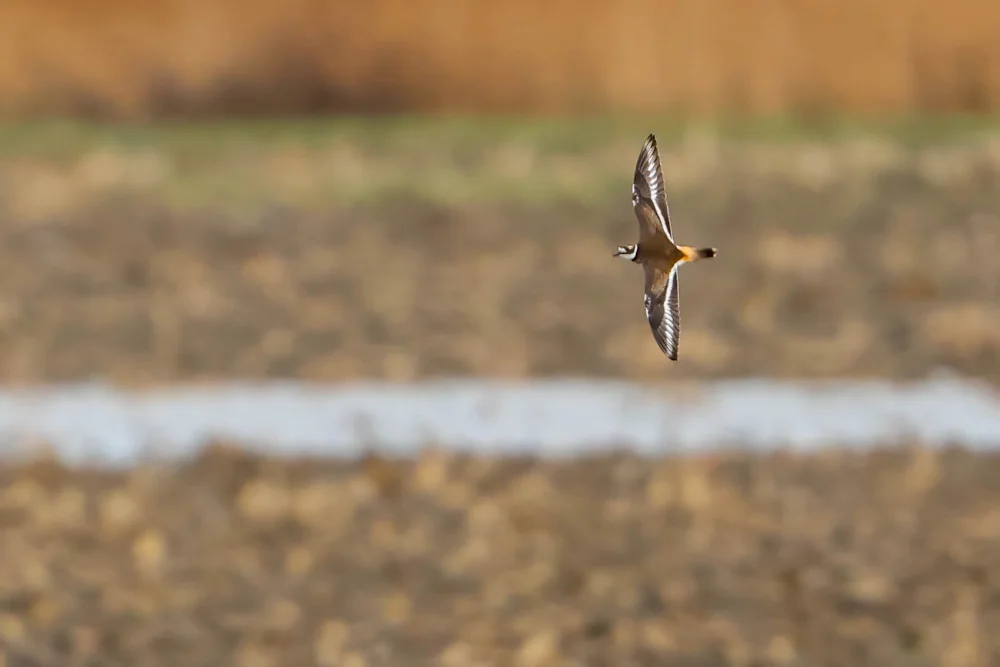
Killdeer, South Slob, Wexford (Jay Hutchins).
The only other breaking mega of the week came from St Ives, Cornwall, where a Black-browed Albatross flew past on 28th. With a recent record from Cape Clear, Co Cork, perhaps there's hope of at least one bird lingering in the North Atlantic (though maybe not for the bird's sake).
Despite not being far enough down the evolution tree to be deserving of full species status, Eastern Black Redstart is an absolute must-see for an avid birder. A first-winter male around Scarborough Headland, North Yorkshire, from 22nd provided some much-needed east coast focus and showed why these characterful little chats are so popular when they turn up. What a belter!
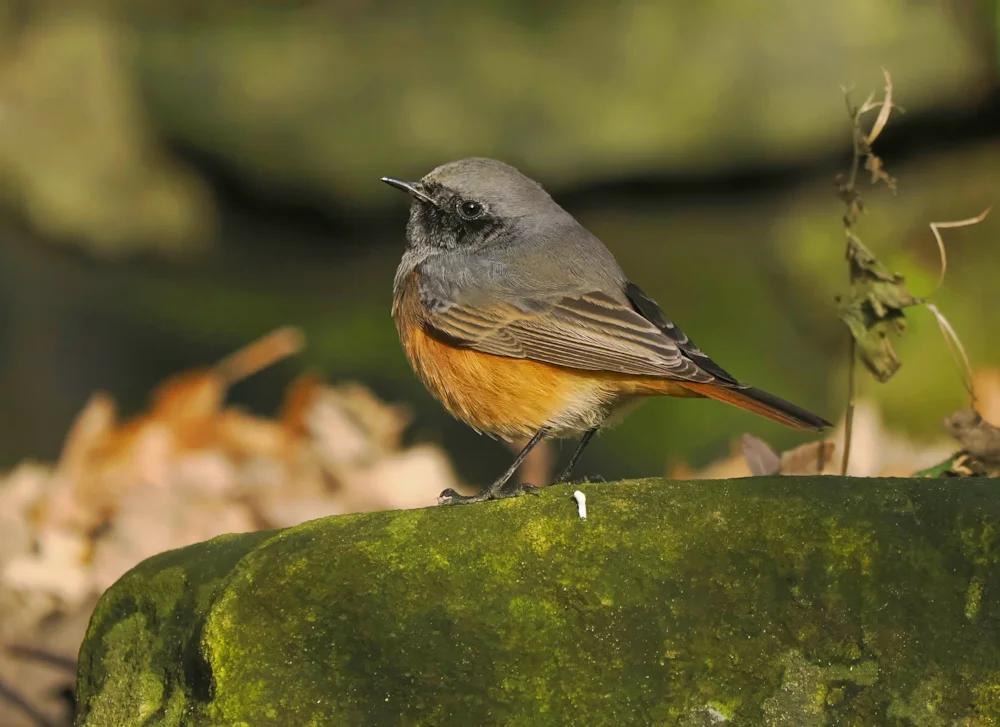
Eastern Black Redstart, Scarborough, North Yorkshire (Mark Joy).
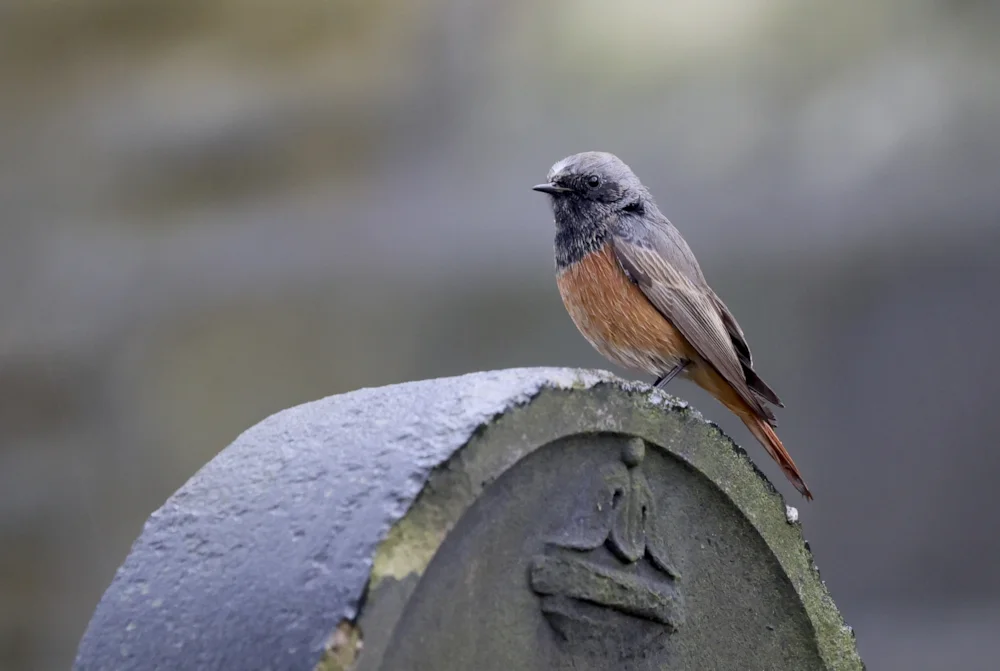
Eastern Black Redstart, Scarborough, North Yorkshire (Will Scott).
Hume's Leaf Warblers were still present in fine numbers. At least five were noted in Norfolk through the week, including three lingering at Holkham Pines. Unsurprisingly attracting a lot of attention during its stay, Bedfordshire's bird was present until 27th. Others were still in Suffolk and Kent. I suspect it could be an interesting winter for this species; once we get some consistent cold spells, it'll be worth checking your local sewage works. If you hear a Pied Wagtail calling from a slightly unlikely location, make sure to double-check …
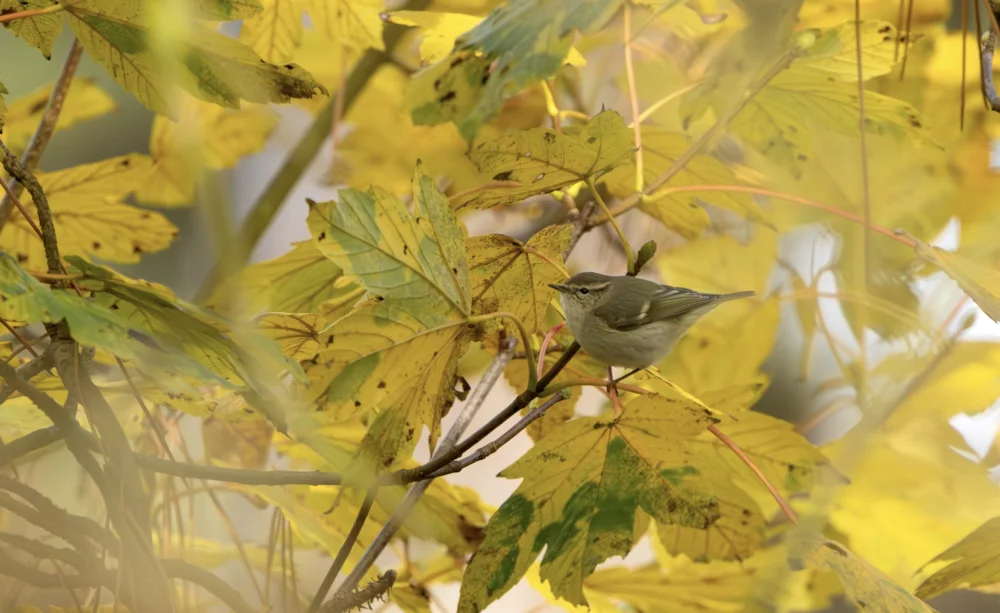
Hume's Leaf Warbler, Wells Woods, Norfolk (Miles Cluff).
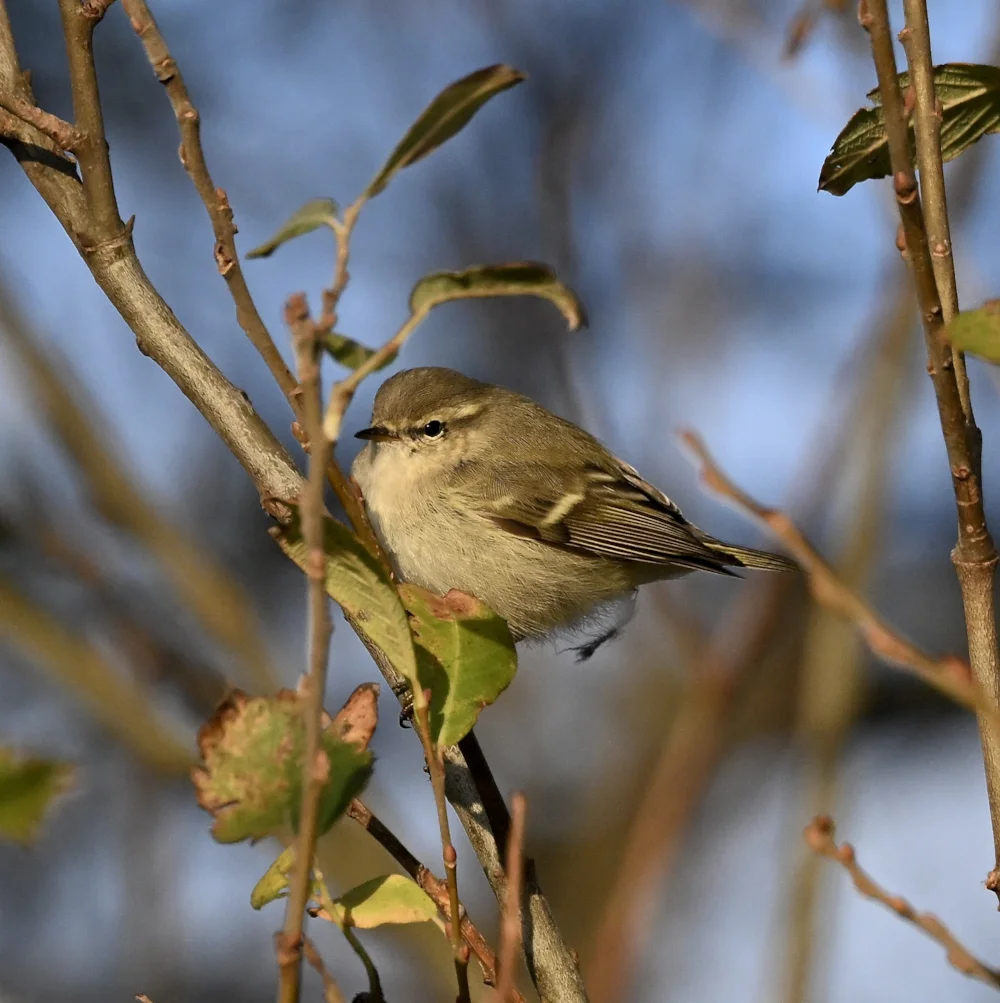
Hume's Leaf Warbler, Sandwich Bay, Kent (Russ Blackman).
Dusky Warblers tallied up nicely too, with seven in England this week (including two in Kent, one of them inland at Seaton GPs). Pallas's Warblers seem to have dispersed, however, with only two making for a sharp contrast to last week's total.
Brancaster, Norfolk. 23/11/25
— marcos_wildlife (@marcos_wildlife) November 24, 2025
Dusky warbler pic.twitter.com/8Lme4ca3A4
Dorset's female Desert Wheatear continued to flaunt itself at Littlesea. One can't forget the Boat-tailed Grackle in Hampshire either, which was still entertaining twitchers and non-birding locals alike. A Eurasian Penduline Tit was at Greylake RSPB, Somerset, on 26-27th. At least one of the British-born juvenile Zitting Cisticolas was still grappling with the wind in Suffolk on 28th and the Bluethroat was parading around at South Gare, Cleveland, until 25th. A Pied Flycatcher in Gwent on 30th deserves an honourable mention and, unsurprisingly, becomes the latest-ever county record. It would be a heck of a December tick if it lingers.
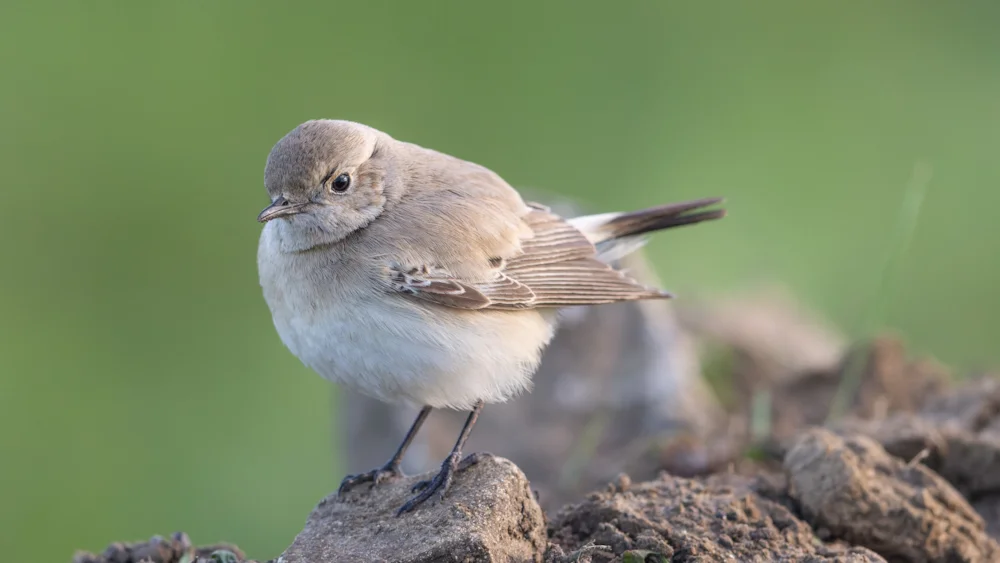
Desert Wheatear, Weymouth, Dorset (John Wall).
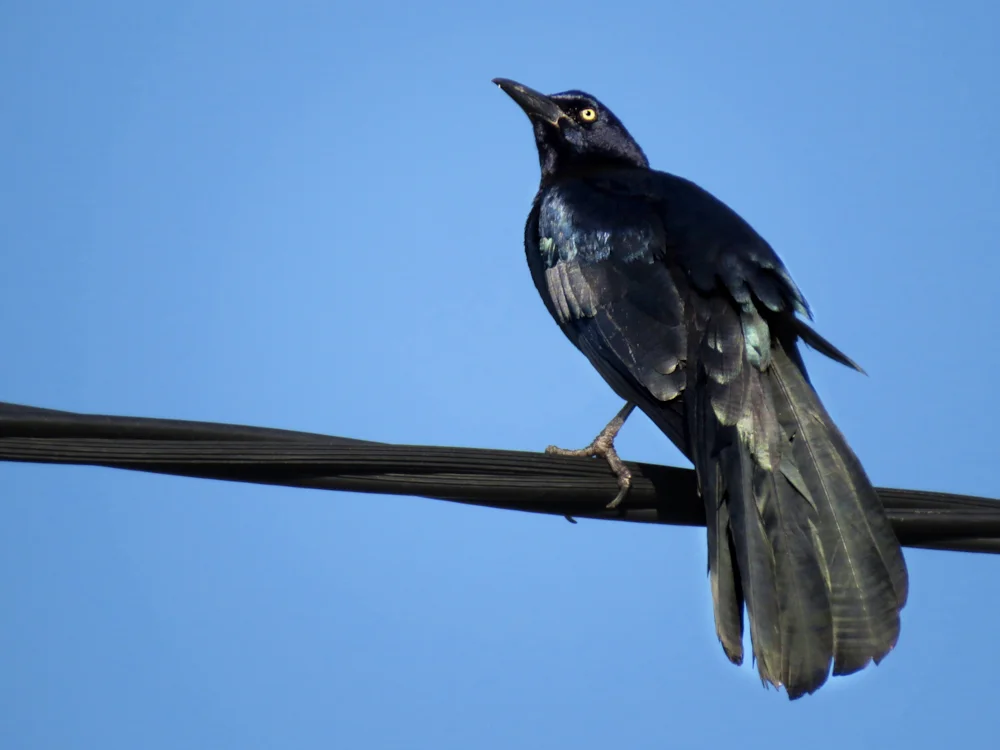
Boat-tailed Grackle, Holbury, Hampshire (Joe Honeysett).
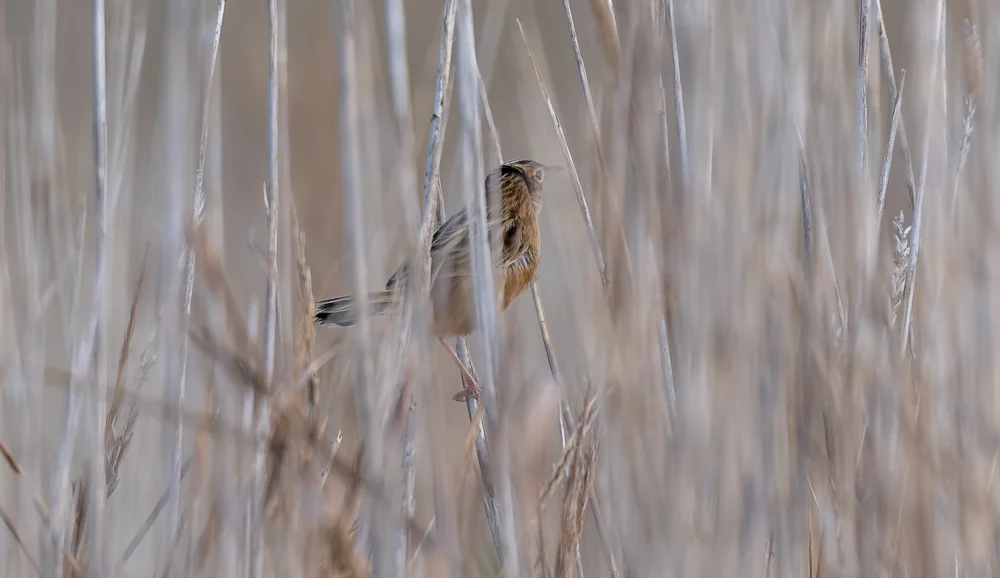
Zitting Cisticola, Walberswick NNR, Suffolk (Brian Small).
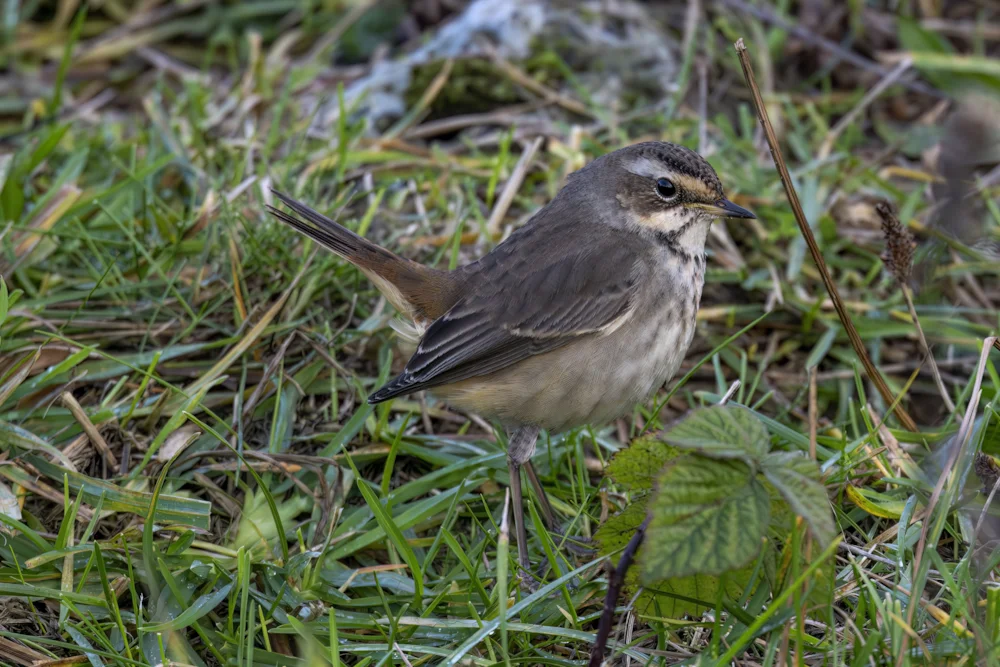
Bluethroat, South Gare, Cleveland (Brian Martin).
Fair Isle's Black-faced Bunting continued its long stay. I can't say that I'd be keen to spend my winter exposed to the elements on Fair Isle if I were a tiny passerine, but each to their own. An Arctic Redpoll at Nybster, Caithness, on 29th was probably more acclimatised to the weather in Scotland. Shore Larks in five counties included a remarkable inland record of at Cwm Idwal, Caernarfon, plus three in Lincolnshire. Concerningly, it seems they are yet to reach their usual wintering grounds in Norfolk. Richard's Pipits were recorded in Cleveland, Lincolnshire and Norfolk. Great Grey Shrikes were thin on the ground: a new bird was in the Peak District, South Yorkshire, and one was still in Hampshire.
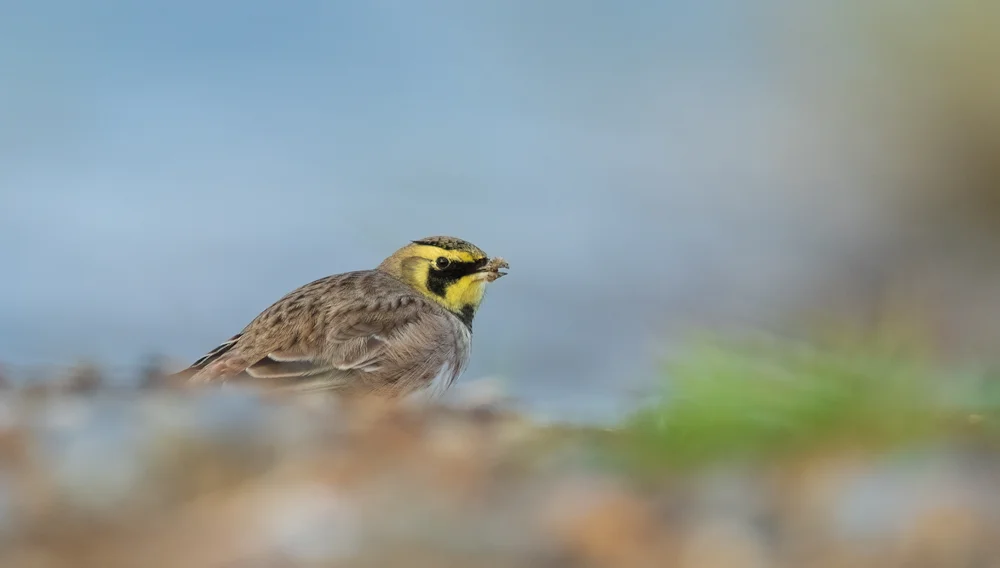
Shore Lark, Kessingland, Suffolk (Nigel Kiteley).
Two gorgeous Northern Harriers again graced Co Wexford, as well as the female Pallid Harrier along the Glamorgan-Carmarthen border. A Rough-legged Buzzard was reported again in Norfolk on 24th.
It has been a poor start to the winter for 'white wingers' and this week saw a mere nine Glaucous Gulls and five Iceland Gulls totalled. Indeed, it's felt like years since a standout winter for them, and gone are the days of five or more birds together in inland reservoir roosts. Two Bonaparte's Gulls remained in Ireland (in Co Galway and Co Meath), while Ring-billed Gulls were in Cornwall, Co Meath and Co Sligo. The Double-crested Cormorant was still thriving in Co Leitrim.
A short, slowed down, clip of the juv. Glaucous Gull feeding on a carcass on the S. Shields Yacht Club Slipway this Morning. Great find by @DavidEe13975025 @DurhamBirdClub pic.twitter.com/YGOZmOtUTp
— Steve Chinnery (@Horsburgh2) November 26, 2025
Glaucous Gull, South Shields, Durham (Steve Chinnery).
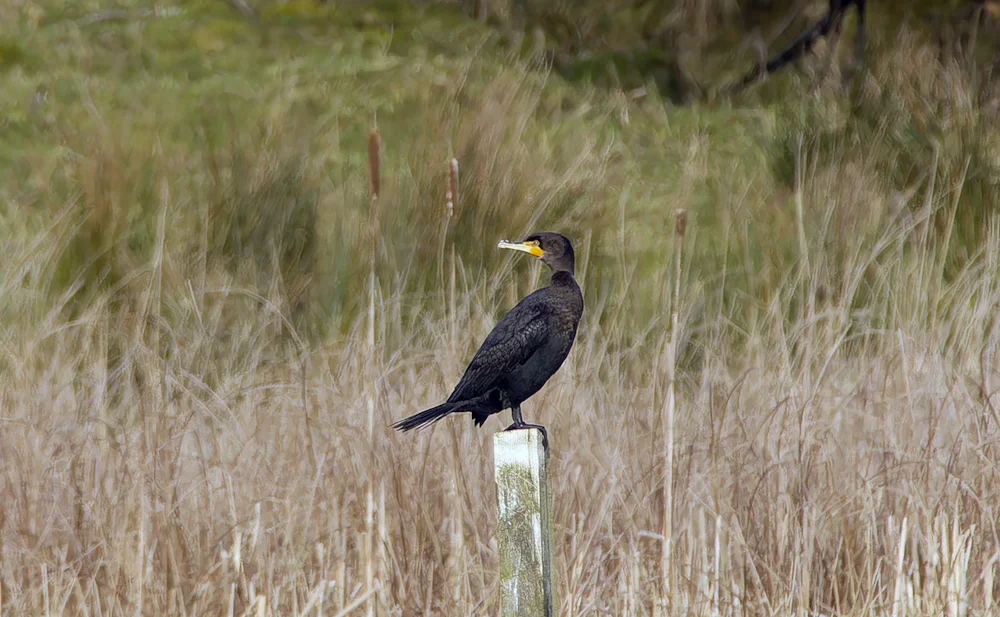
Double-crested Cormorant, Doon Lough, Leitrim (Jim Pattinson).
Killdeer aside, waders were few and far between, with rising water levels and winter persisting. A Semipalmated Sandpiper at Seafield, Clare, was a late record and a first-winter White-rumped Sandpiper at Titchwell RSPB on 30th felt a little random, though a nice surprise for anyone spending a long weekend in Norfolk for a short winter break. Another was in Co Wexford. The female Kentish Plover continued enjoying her annual winter stint in Somerset, too, while Lesser Yellowlegs remained in situ in both Cornwall and Co Antrim. Three Grey Phalaropes were recorded – including the first-winter in London that remains typically confiding – as were two American Golden Plovers.
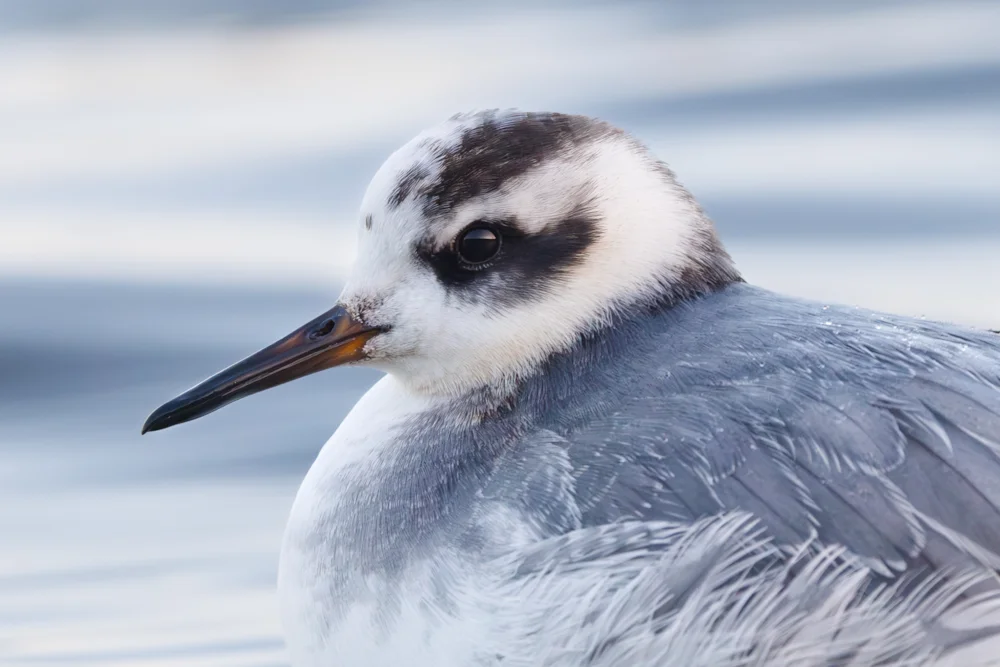
Grey Phalarope, King George V Reservoir (permit only), London (Henry Wyn-Jones).
Wildfowl was headlined by a wonderfully showy 'queen' King Eider at Scalloway, Mainland Shetland. I don't blame anyone for giving more attention to the drakes, but I do think there's something quietly elegant about females, with this latest individual coined the 'Queen of Scalloway' by locals. The first-winter drake Harlequin Duck was again mobile in Co Donegal, looking pretty smart now, as Dorset's Baikal Teal also continues to moult into his winter finery. The female Blue-winged Teal at Hayle Estuary, Cornwall, proved a little more reliable this week, and Lesser Scaup remained in Leicestershire and Rutland, Essex, London, Cornwall (two), Outer Hebrides, Co Antrim and Co Wexford. No fewer than 40 Ring-necked Duck were recorded, including an astonishing flock of 14 in Co Mayo. Eight American Wigeon were noted too, as well as 10 Green-winged Teal, seven Surf Scoter and six Smew. White-billed Divers were in Cornwall and Shetland.
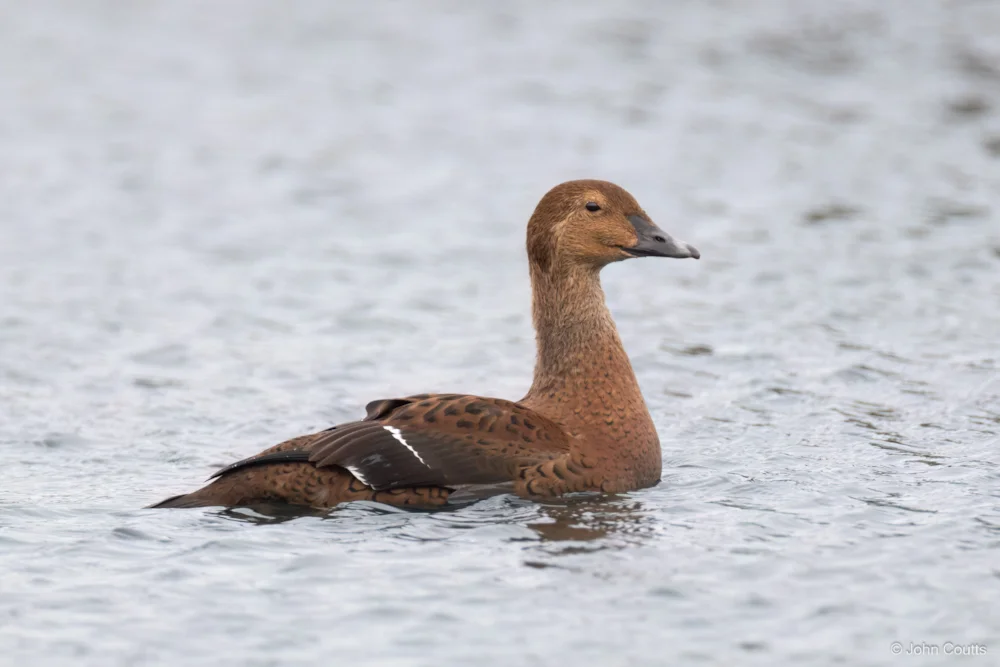
King Eider, Scalloway, Mainland, Shetland (John Coutts).
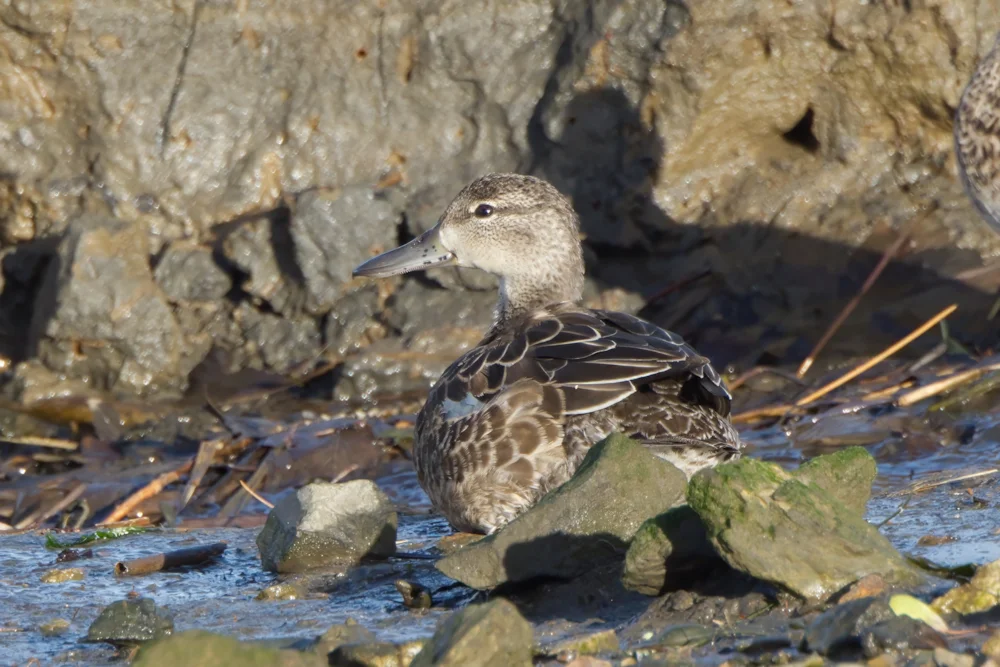
Blue-winged Teal, Hayle Estuary, Cornwall (Neil Dave).
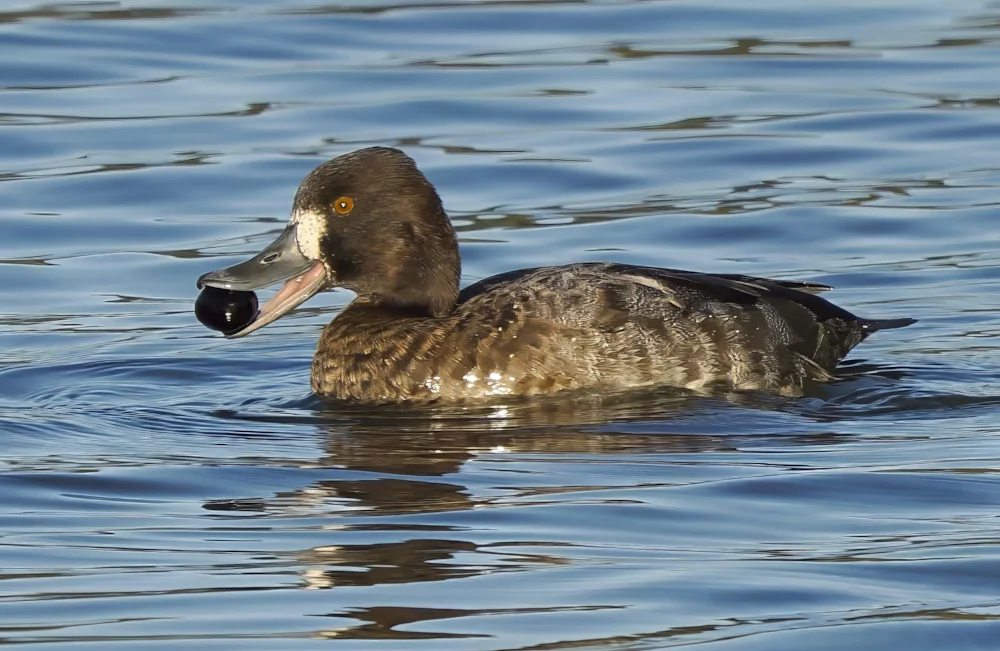
Lesser Scaup, Swithland Reservoir, Leicestershire and Rutland (Mark Joy).
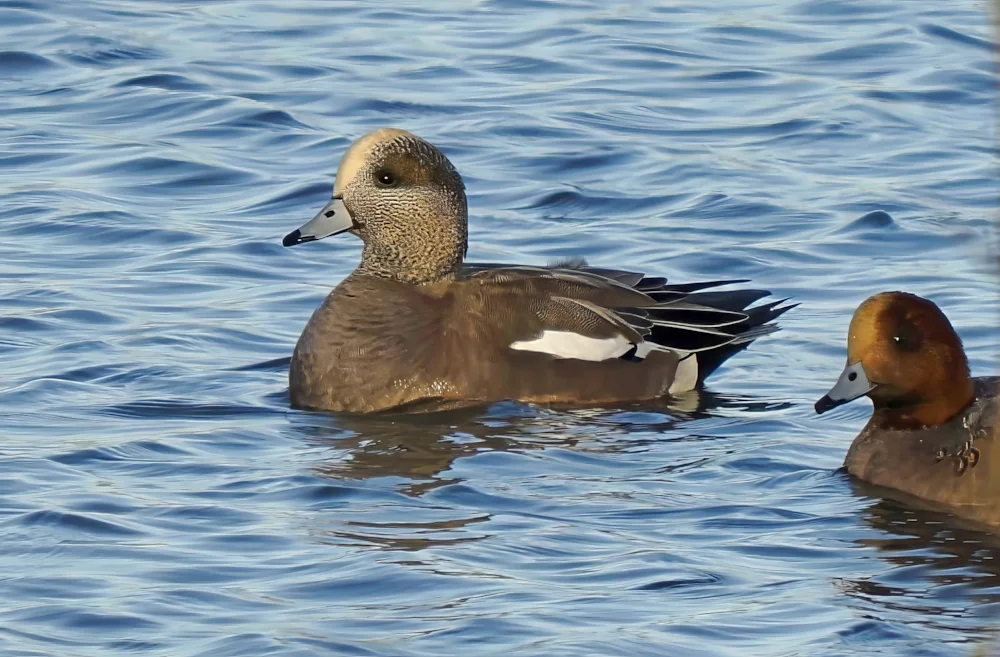
American Wigeon, Eyebrook Reservoir, Leicestershire and Rutland (Mark Joy).
Ireland held three Richardson's Cackling Geese (two in Co Donegal and one in Co Sligo), the Red-breasted Goose of unknown origin was still mingling with various goose flocks in Essex, a Todd's Canada Goose persisted in Co Sligo, a white-morph Snow Goose remained in Highland and two Black Brant were elsewhere. Taiga Bean Geese were still going strong, with a flock of 165 at Slamannan, Forth, feeling like a really impressive count compared to recent years. Elsewhere, 11 remained popular in Co Donegal, twos were in Aberdeenshire and Co Kerry, and 21 lingered in Orkney. Tundra Bean Geese have yet to take off, though, with a measly two in Britain this week.
Western Palearctic
Late news of a Black-throated Accentor on Saaremaa, Estonia, on 22nd prompted British birders to dream of one on our shores one day. A Spotted Sandpiper found at Choryně, Czechia, was the first record for the country, while Slovakia boasted belated news of its first Hume's Leaf Warbler.
The Netherlands continued to show off some decent birds, including the spectacular Spectacled Eider, Western Swamphen, Bufflehead and Baikal Teal. France had a returning adult Eastern Imperial Eagle at Lac du Der, in addition to Sociable Lapwing, Northern Harrier and Forster's Tern. Iceland's Brown-headed Cowbird was present until 23rd at least. An influx of Oriental Turtle Doves into Finnish gardens saw seven found during November.
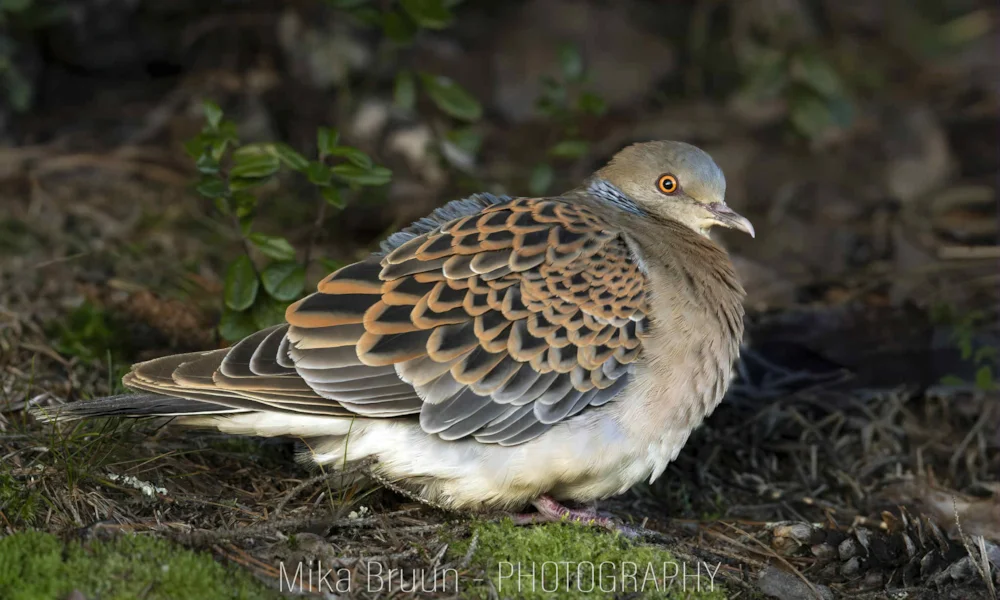
Oriental Turtle Dove, Helsinki, Finland (Mika Bruun).
Elsewhere in Europe, a Green Heron was new at Lavos, Portugal, while a least one Lesser Flamingo was in south-east Spain. Yet another Black-faced Bunting was at Snig, Norway.
Further afield, Cape Verde was the home for nice range of rarities, including the lingering Black-headed Heron, Yellow-billed Egret, at least two Sudan Golden Sparrows and two Magnificent Frigatebirds (on Boa Vista on 8 November), while the Canary Islands boasted Greater Yellowlegs on Gran Canaria and Elegant Tern on Lanzarote. The Azores carried on with its tasty run of birds, with a juvenile Yellow-crowned Night Heron on São Miguel proving a great find.
Egypt had Pink-backed Pelican (on 7 November) and Lesser White-fronted Goose, while Kuwait produced a Lesser Flamingo.
- Keep up to date with by-the-minute sightings updates of rarities and significant birds in your local area at www.birdguides.com/sightings or via the all-new BirdGuides app. New users are entitled to a one-month free trial.
