
It appeared for a time on 16 March that one of the longest rarity ducks in British birding was set to be broken, as news of an adult Pallas's Gull broke from the Suffolk coast. Alas, better views a few hours later confirmed the bird as a European Herring Gull with a partially oiled black hood. A member of the Category B 'Centurion Club', the only accepted record of Pallas's Gull in Britain refers to one 167 years ago: at Exmouth, Devon, in 1859.
Instead, honour of the week's best find goes to an American Bittern at Cuskinny NR, Co Cork, from 18th. It is the latest for Ireland following a brief one-day bird at Lough Gill, Co Kerry, in April 2023, with the country's only other record in the 21st Century concerning a well-twitched individual at Castlefreke in November-December 2015.
You might have been forgiven for anticipating that a week that featured some warm spring sunshine would have seen the dams burst for a deluge of early summer returnees, but, alas, some species rather expected for the time of year – Northern Wheatear and Swallow, for example – remain relatively thin on the ground.
A Great Spotted Cuckoo would have been an ample reward for such conditions, and a bird flushed from gorse on St Martin's, Scilly, on 22nd sounded like a very strong candidate, described as having a wedge-shaped tail with a terminal row of obvious white spots. It wasn't confirmed, though. A small arrival of Hoopoes into southern areas consisted of four in South-West England, one on Skokholm, Pembrokeshire, and a notable bird at Whitwick, Leicestershire, plus six in Co Cork that included three in the vicinity of Ballycotton.
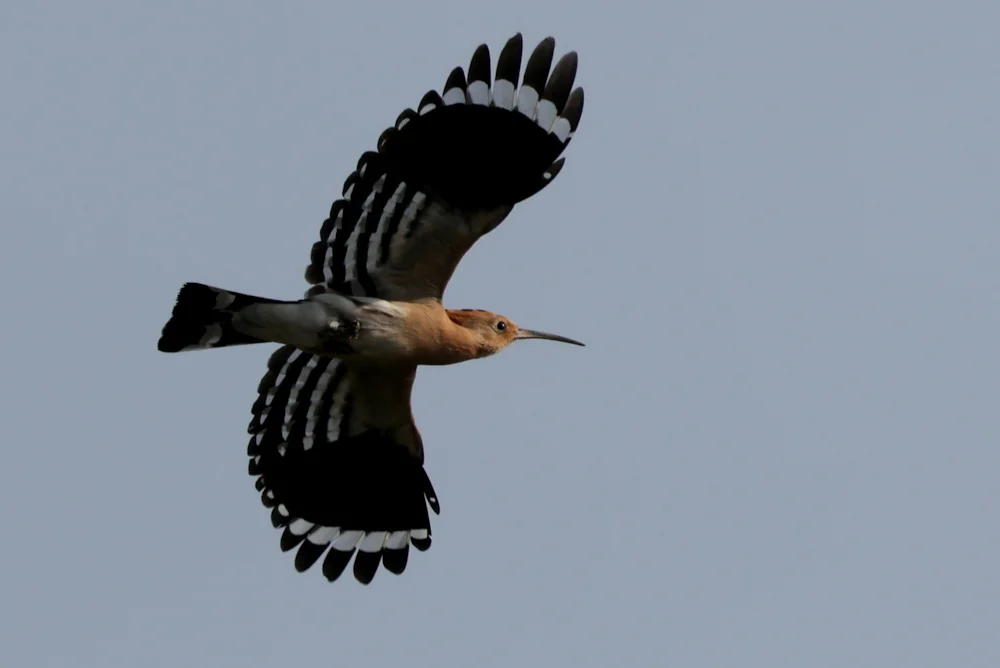
Hoopoe, Skokholm, Pembrokeshire (Richard Brown/Skokholm Warden).
It is safe to presume that any March Bluethroats will be of the White-spotted variety that breeds across Iberia and Central Europe. A male at Swineham GPs, Dorset, left little doubt, with an additional female found at Cot Valley, Cornwall. Meanwhile, birders at Selsey Bill, West Sussex, enjoyed an overshooting European Serin.
Amazing find of a Bluethroat at Swineham by Paul Morton tonight - even more amazing that I was just 5 minutes away when he found it. Pretty dark by the time it showed us its front (ISO6400) - but no complaints! @harbourbirds @DorsetBirdClub pic.twitter.com/Liol4WSjx8
— Peter Moore (@PeterMo03067857) March 17, 2026
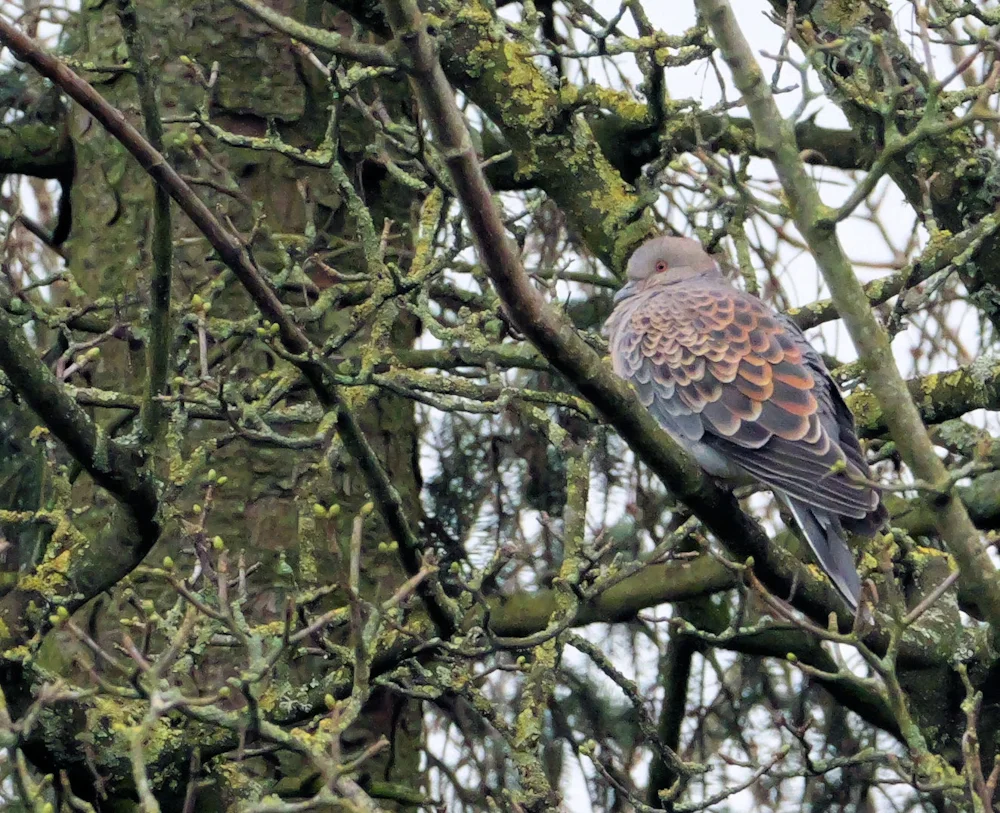
Oriental Turtle Dove, Lisburn, Antrim (Richard Caves).
Ireland's first-ever Oriental Turtle Dove lingered at Lisburn, Co Antrim, throughout. Notably, it belongs to the orientalis subspecies, which is the rarer of the two in Western Europe. At least one Zitting Cisticola was still on the Suffolk coast and lingering Hume's Leaf Warblers were in Suffolk and Warwickshire. Further wanderings by the south-coast Great-tailed Grackle took it from Whiteparish, Wiltshire, on 15-17th to Bassett, Hampshire, on 18th and back again to Holbury, Hampshire, on 19th.
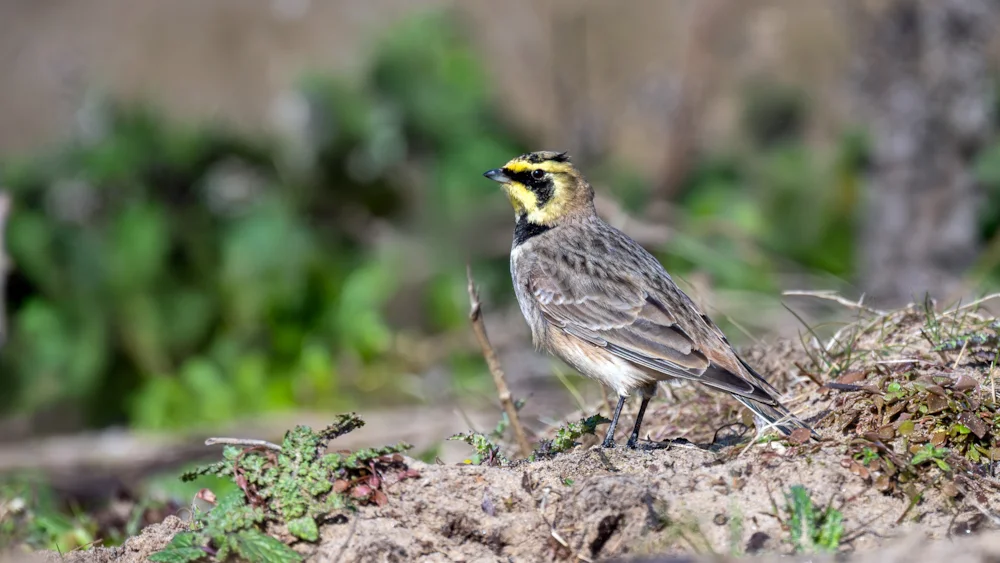
Shore Lark, Saltfleetby-Theddlethorpe Dunes NNR, Lincolnshire (Ray Hall).
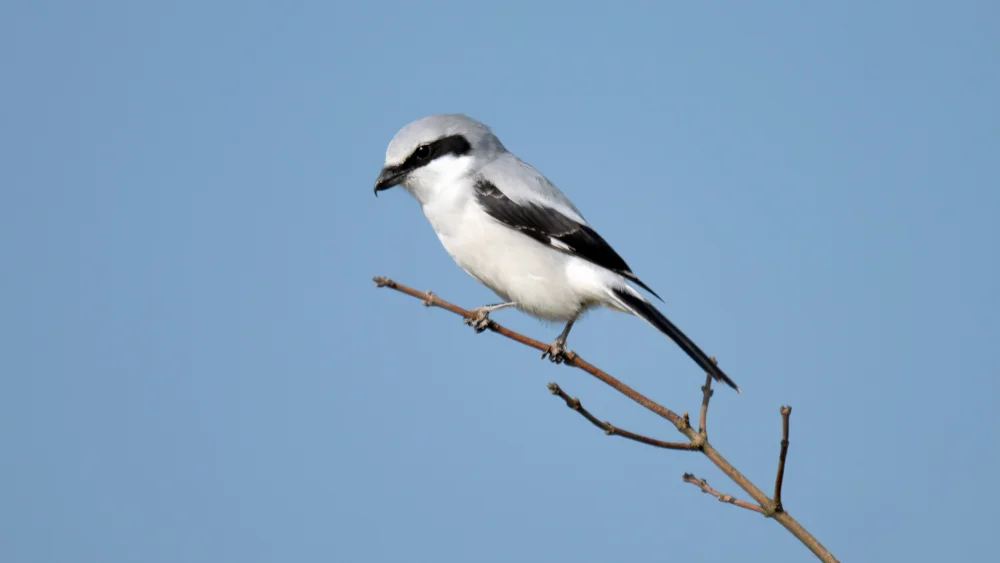
Great Grey Shrike, Fillingham, Lincolnshire (Ray Hall).
Llanelli Wetland Centre WWT, Carmarthen, was treated to the first Purple Heron of 2026 on 22nd. One or two Black Kites were in Kent, while the Black-winged Kite in Norfolk, a juvenile Northern Harrier in Co Wexford and a Pallid Harrier in Glamorgan all remained throughout.
Both of the close Nearctic relatives of Common Pochard, Redhead and Canvasback, are two of the rarest species of New World wildfowl recorded on this side of the Atlantic. It is one of the stories of March that both are present in Britain and Ireland at the same time: an adult drake Canvasback at Abberton Reservoir, Essex, and a female Redhead at Lough Yganavan, Co Kerry. Other long-staying rarities – Stejneger's Scoter in Fife, White-winged Scoter in Lothian, Black Scoter in Co Kerry, King Eider in Highland and Harlequin Duck in Co Donegal – all remained in situ for another week.
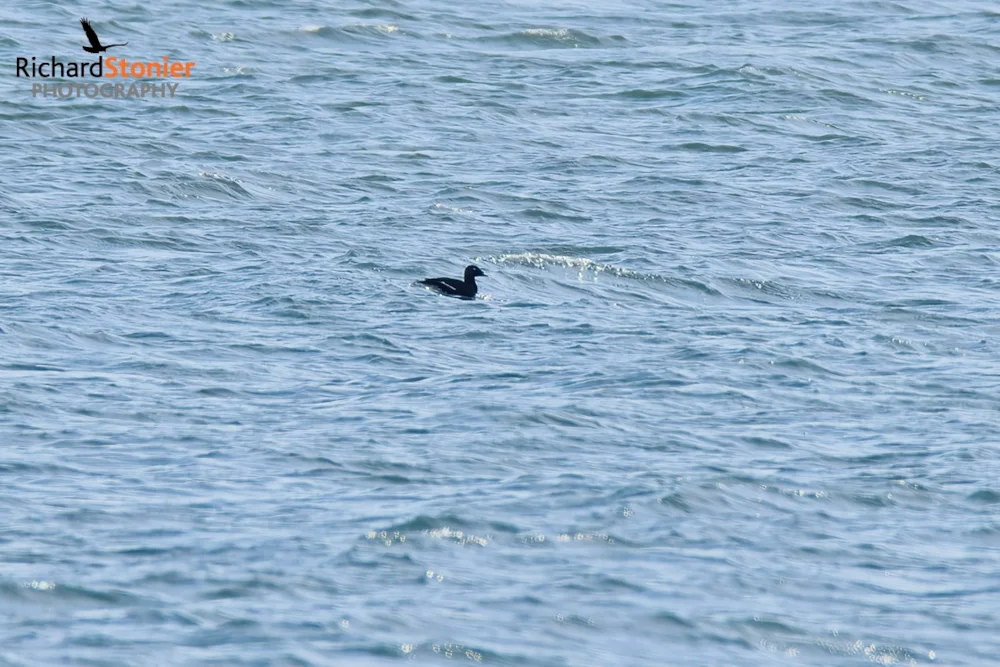
Stejneger's Scoter, East Wemyss, Fife (Richard Stonier).
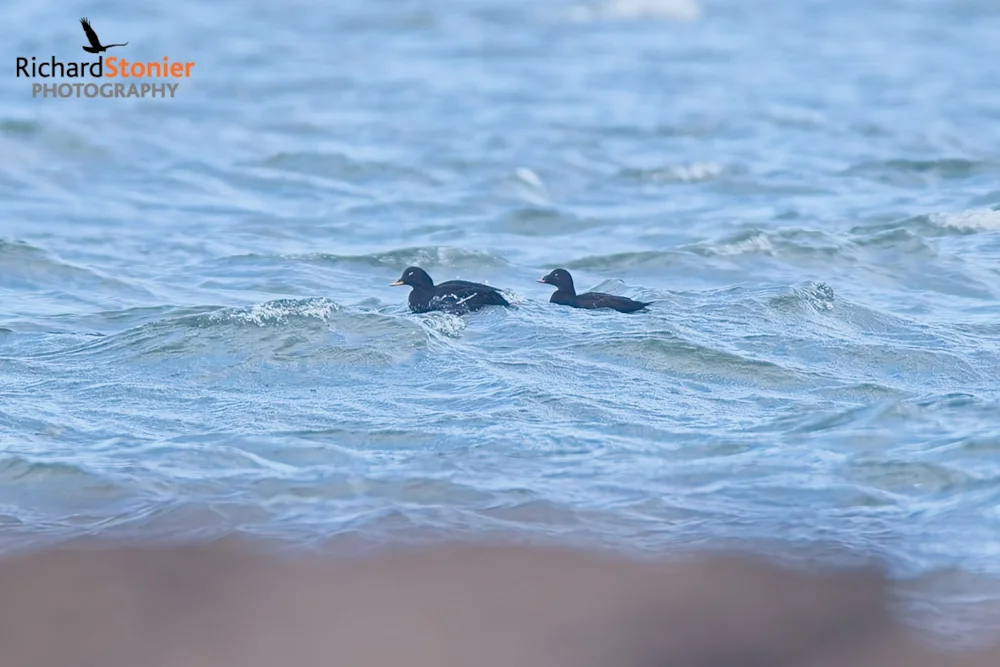
White-winged Scoter (right bird) with Velvet Scoter, Cockenzie and Port Seton, Lothian (Richard Stonier).
A drake Ferruginous Duck was new on the Suffolk coast on 22nd. Other news comprised three Surf Scoter, six American Wigeon, seven Green-winged Teal, eight Lesser Scaup (including the first-ever record for the Surrey vice-county at Walton Reservoirs) and 41 Ring-necked Duck. A returning Pacific Diver was off Achill Island, Co Mayo, with another still off Co Clare.
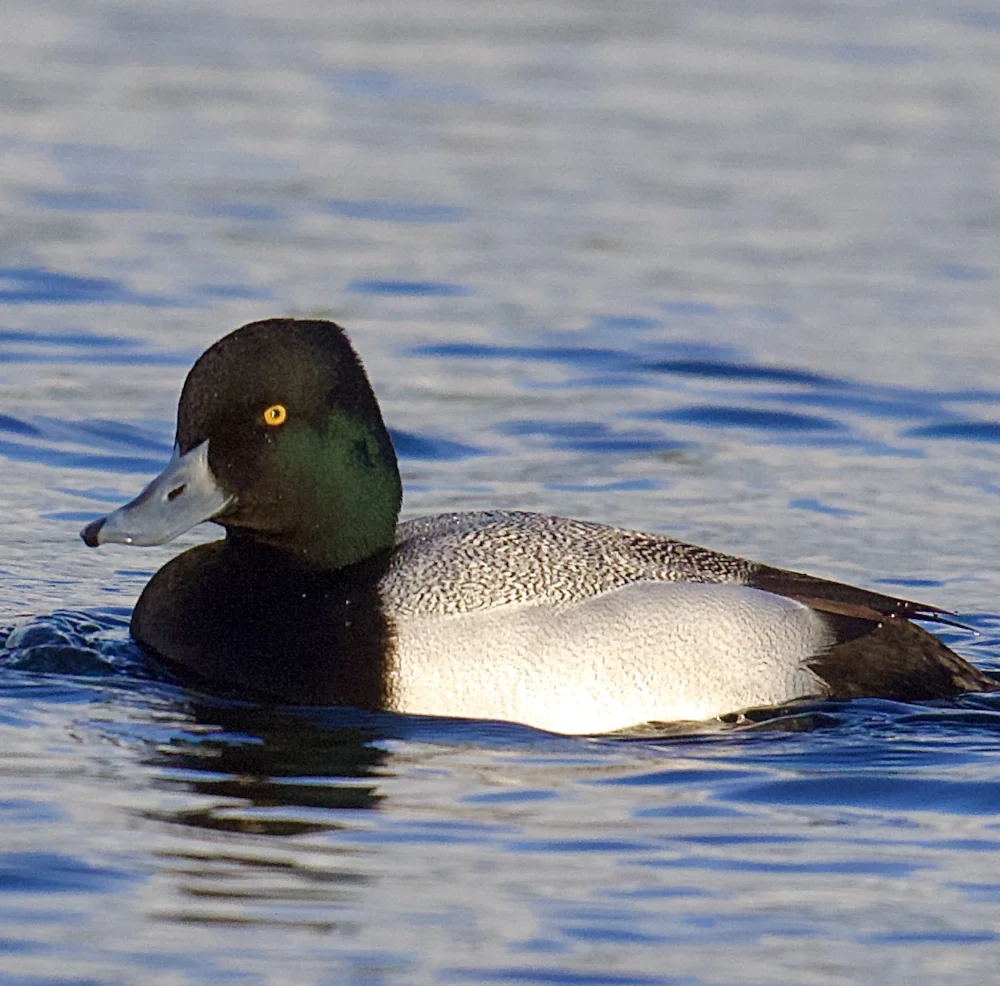
Lesser Scaup, Ellesmere, Shropshire (Paul Burgess).
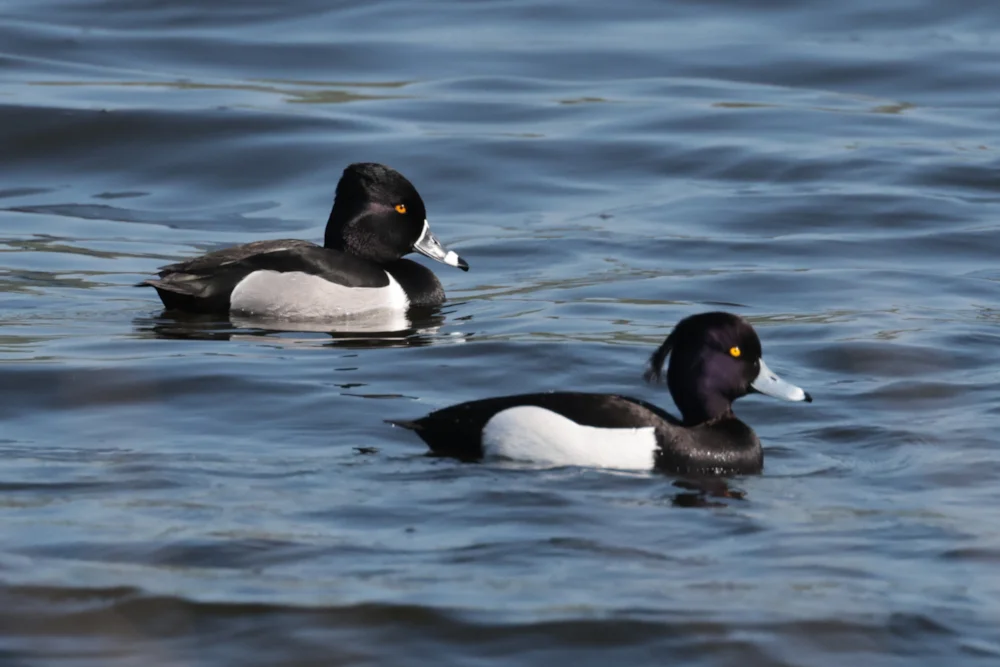
Ring-necked Duck (left bird) with Tufted Duck, Blagdon Lake, Avon (Chris Teague).
A Richardson's Cackling Goose was found with Barnacle Geese in Dumfries and Galloway and a Ross's Goose remained with Greylag Geese in Argyll. Elsewhere were two Todd's Canada Geese, three Black Brant and six Snow Geese.
The adult Ross's Gull in Argyll resurfaced off Oban from 17-19th. It is the first multi-day bird in the county since one at Ormsary in 2006-07. Another fantastic week for Bonaparte's Gull records saw an impressive eight tallied and included new birds in Somerset, Shetland and Co Clare. Six Ring-billed Gulls included one back at its regular summer site in Perth and Kinross. In Dorset, the adult Forster's Tern was settled on Brownsea Island for the duration.
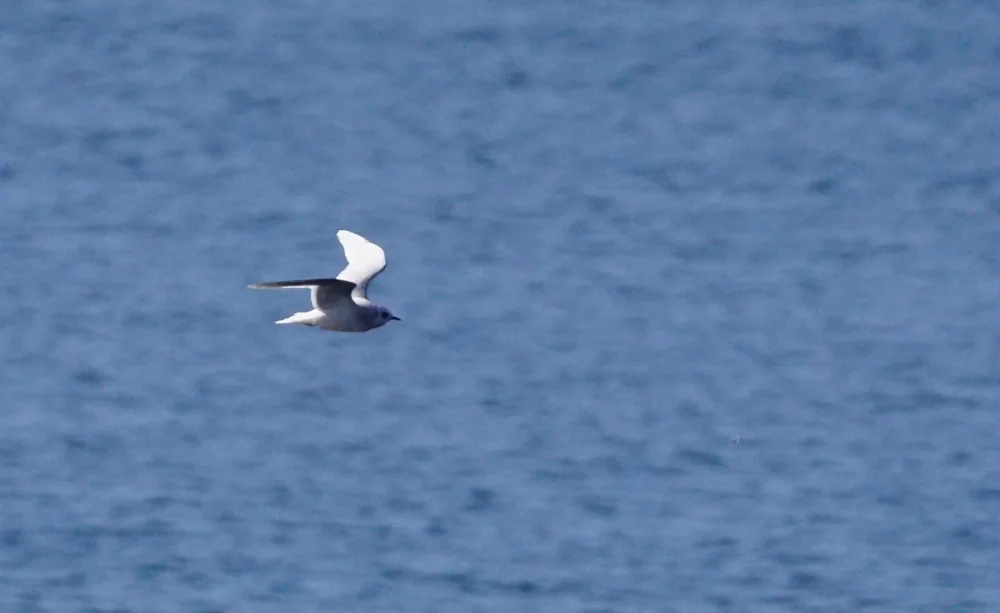
Ross's Gull, Oban, Argyll (Jim Dickson).
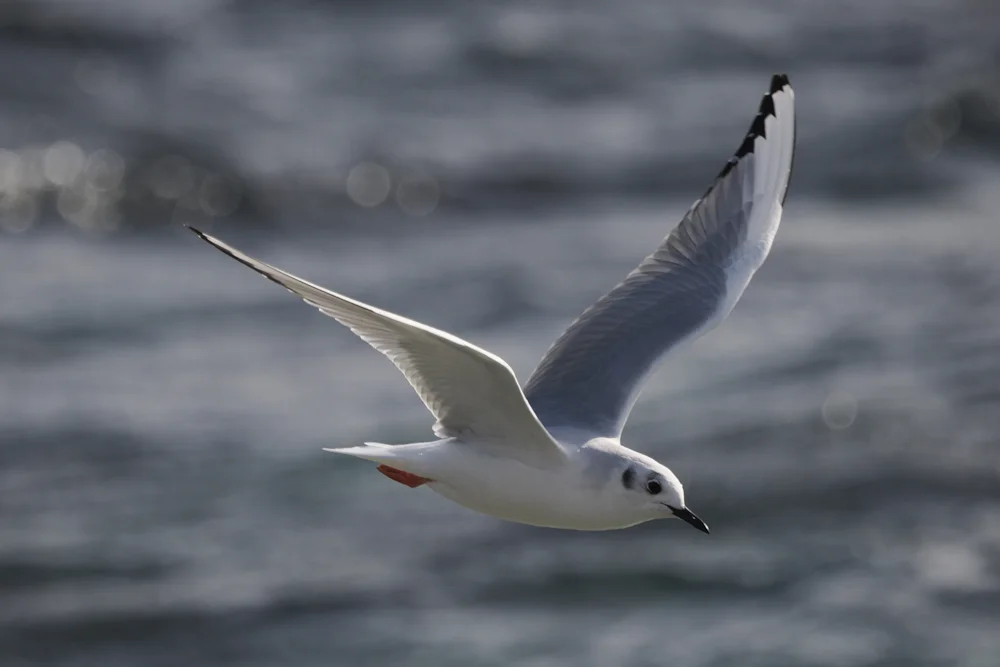
Bonaparte's Gull, Uyeasound, Unst, Shetland (Mike Pennington).
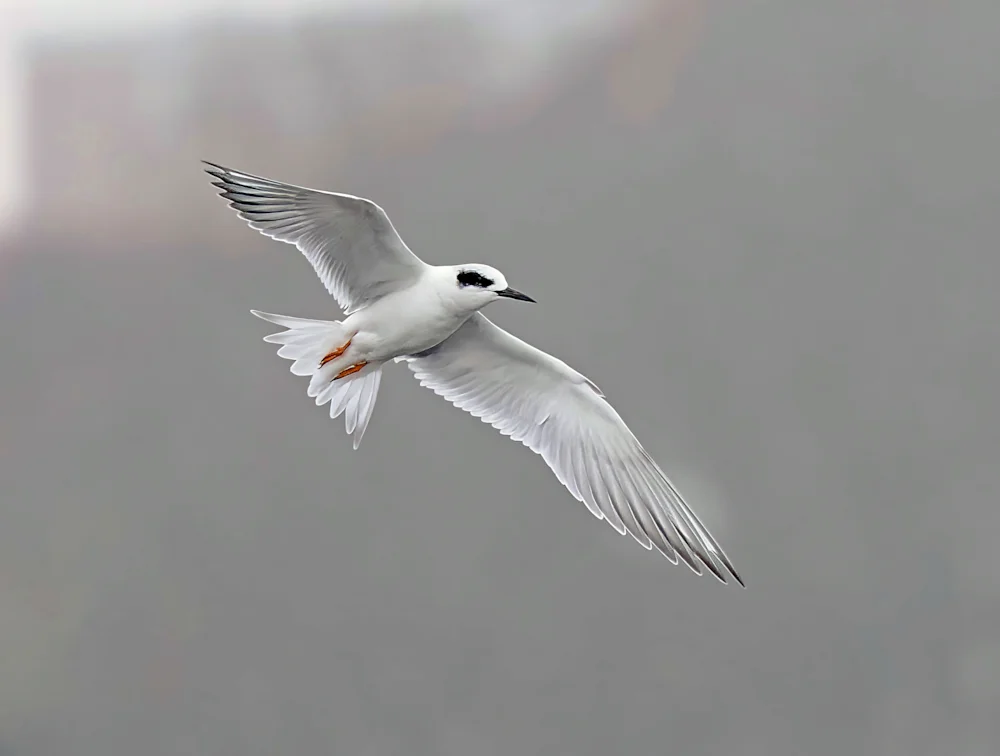
Forster's Tern, Poole, Dorset (Mark Joy).
A winter-plumaged dowitcher at Banks Marsh, Lancashire, on 19th would disappointingly evade confirmation to species level. Confirmed Long-billed Dowitchers remained in Orkney and Co Wexford, as did a Semipalmated Sandpiper in Co Clare and Lesser Yellowlegs in Cornwall and Flintshire. Two North-West noc-mig records of Eurasian Stone-curlew (over Lancashire on 21st and Cheshire on 22nd) were notable.
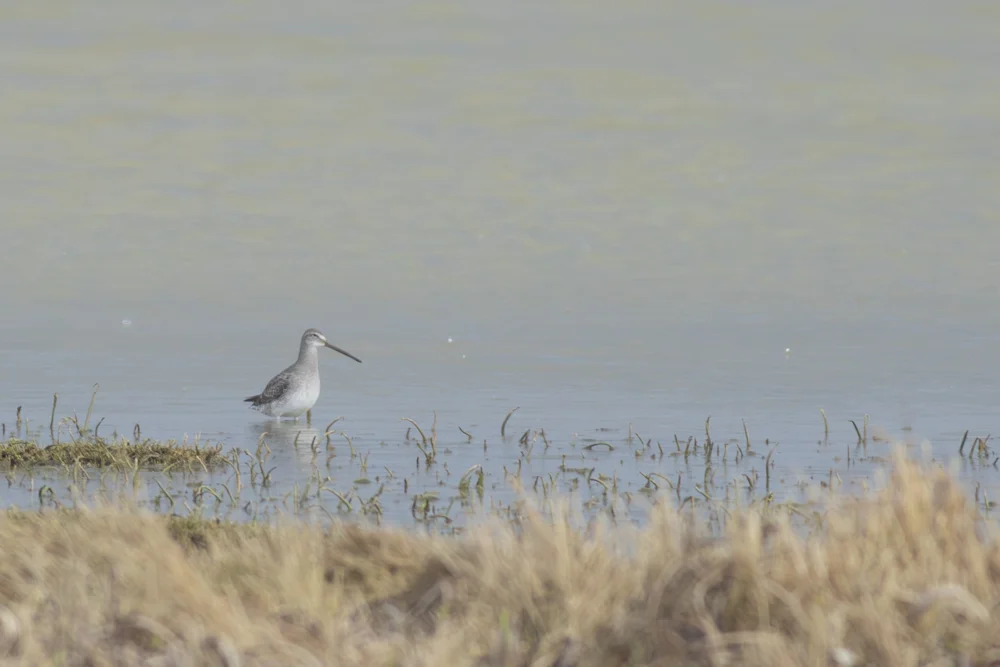
Long-billed Dowitcher, North Ronaldsay, Orkney (Maddy Hine).
Western Palearctic
Red-letter news from southern Kuwait concerned an Asian Koel at Al Wafrah, with a local farmer confirming its presence for at least the last four weeks. It is only the second record for the Western Palearctic, following another in Kuwait in 2009.
Cape Verde's second Eastern Olivaceous Warbler joined the rarity frenzy at Mindelo, São Vicente, from 17th, with Black-headed Heron, Black Heron, Yellow-billed Egret and Red-billed Quelea all still on site. A frigatebird species was filmed by a fisherman between São Nicolau and Raso on 15th.
European rarities included Dusky Thrush in Denmark, Stejneger's Scoter in Norway, Black-faced Bunting in the Netherlands, Belted Kingfisher in France and two Pied Crows in the Canary Islands. Both the adult male Summer Tanager and a 2nd-winter Pallas's Gull remained in the Portuguese mainland, while, in the Azores, a Snowy Egret and two American Herring Gulls were on São Miguel. Two Black-faced Buntings at Kırmıtlı comprised the first record for Türkiye.
- Track returning spring migrants and keep up to date with by-the-minute sightings updates of rarities and significant birds in your local area at www.birdguides.com/sightings or via the all-new BirdGuides app. New users are entitled to a one-month free trial.

