
The New Year has had a little time to bed in now and those 2026 year lists have started to level off. Even so, plenty of stellar midwinter rarities remained in situ – not least the Norfolk Black-winged Kite – and Sunday brought a monumental piece of breaking news from the west coast of Ireland.
Photos of a putative adult Vega Gull at Nimmo's Pier, Co Galway, on 18th emerged, with the observer's encounter brief before the bird flew off. Key identification features of this Far Eastern larid include a greenish bill with limited red on gonys, a dark iris and dark grey upperparts with wide white scapular and tertial crescents, all of which were evident on this individual. Crucially, no images of the bird in flight were obtained and, at the time of writing (lunchtime on Monday 19th), there have been no further reports ...
Amazingly, it is almost 10 years to the day of Ireland's first record, which resided at Duncannon, Co Wexford, from 10-13 January 2016. That bird was intermittent in its appearances and was missed by all but a handful of Irish and British twitchers as a result. This latest record will be sure to attract a major crowd if it is relocated over the coming days. It was also a first for the Western Palearctic at the time; there have been just three since, in France in November 2016, Spain in February 2021 and Italy in December 2021.
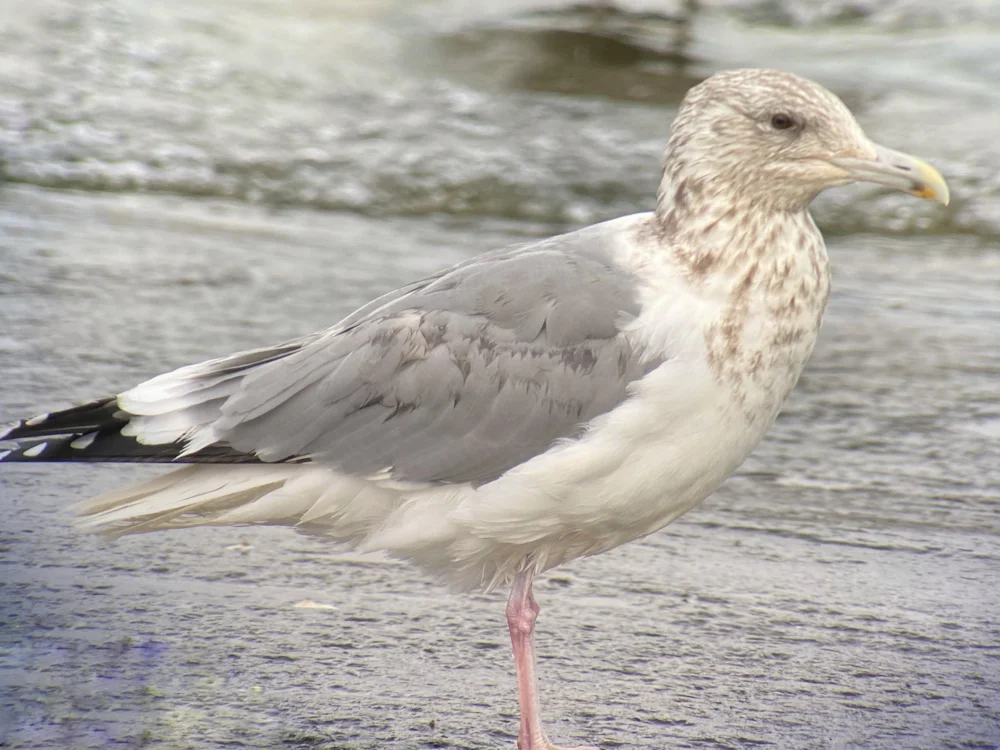
Vega Gull, Nimmo's Pier, Galway (Tom Cuffe).
Ireland had a near-monopoly on the week's other rare gulls, including one or two Bonaparte's Gulls in Co Kerry and five Ring-billed Gulls. The species is far less common away from the west coast, making for a notable third- and first-winter duo in Co Wicklow. Three in Cork included an adult that was trapped and ringed, the first such occurrence in the British Isles. The resident Double-crested Cormorant was also logged in Co Leitrim, with Britain's sole Ring-billed Gull comprising the reliable Cornish adult.
It was another standout spell for fans of rare wildfowl. Most noteworthy was a drake Blue-winged Teal on Loch Loy, Moray and Nairn, from 12-14th, which made for a cracking county first. The first-winter drake Baikal Teal reappeared along the River Loughor – using both the Glamorgan and Carmarthen banks – over the weekend and the Caernarfon Bufflehead remained at Foryd Bay until 14th at least. Across the Irish Sea, an American Coot was again at Tacumshin, Co Wexford, on 13th, the dapper drake Harlequin Duck persisted near Curransport, Co Donegal, and a drake Bufflehead was still in Co Kerry.
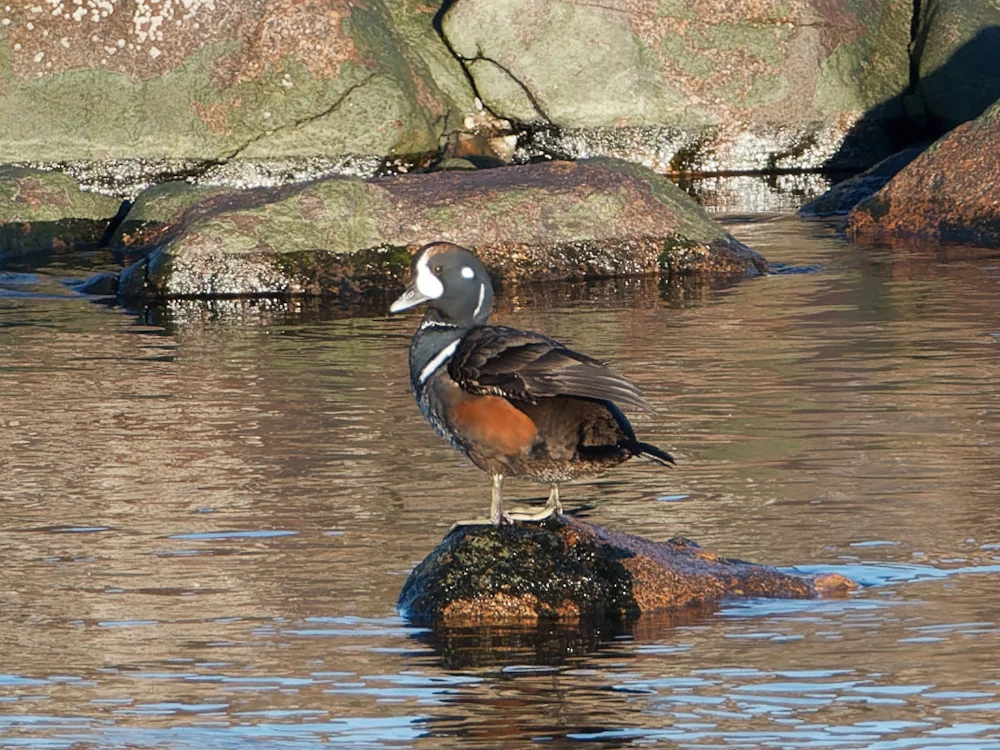
Harlequin Duck, Magheraroarty, Donegal (Paul Keogh).
Two Black Scoter continued this winter's excellent showing for the taxon, with drakes present in both Northumberland and Highland on 18th. A report of two King Eider off Dornoch, Highland, on 14th would go unconfirmed, with another still in Shetland. Additional duck totals comprised two Ferruginous Duck, six Surf Scoter, 11 American Wigeon, 12 Lesser Scaup, 17 Green-winged Teal, 35 Ring-necked Duck and 51 Smew. Two adult Pacific Divers provided further excellent views on the west side of St Mount's Bay, Cornwall, and a White-billed Diver was back at a regular winter staging spot in Shetland.
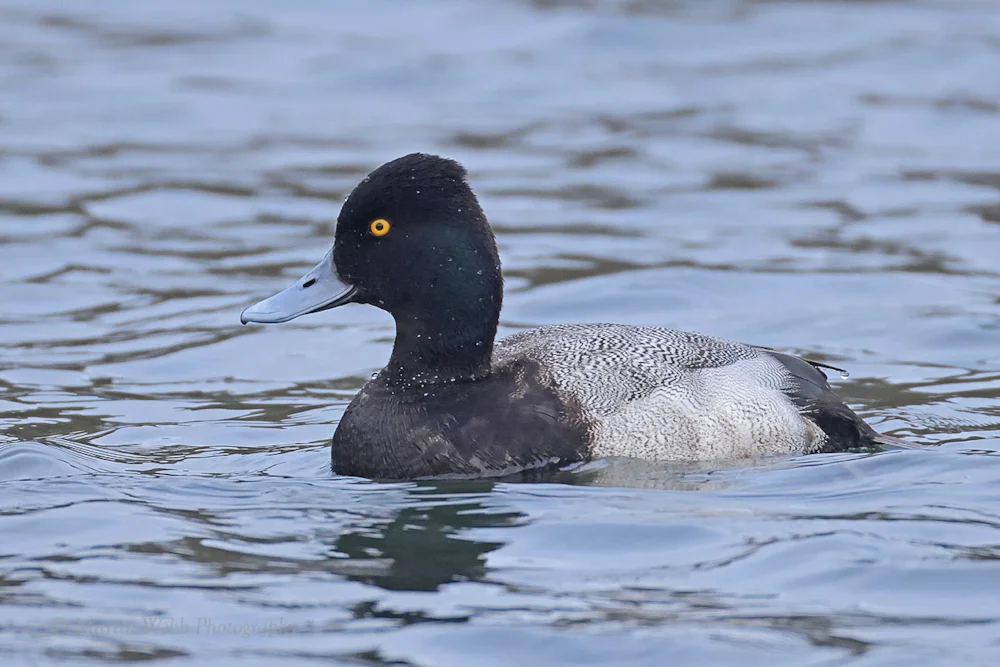
Lesser Scaup, Helston, Cornwall (Martin Webb).
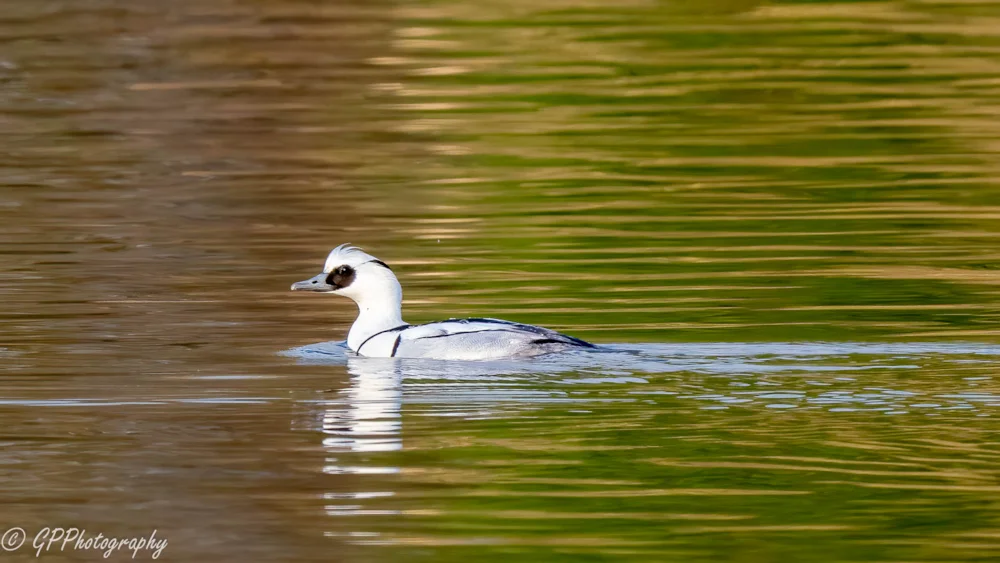
Smew, Knotford Nook GPs, West Yorkshire (Geoffrey Pain).
A noteworthy run of vagrant geese in Cumbria over the weekend included a Ross's Goose near Lessonhall and a Taiga Bean Goose with Pink-footed Geese at Houghton. Initially reported with Pink-feet, the Ross's soon found much more settled company with the local Canada and Greylag Geese, and it remains to be seen how much this might impact its credentials. Two Taiga Bean Geese alongside a Tundra Bean Goose at Whittle Dene Reservoirs, Northumberland, provided an excellent comparison of this tricky species pairing, with another notable find of six at Woodland, Durham. Other groups remained in Scotland and Ireland, while Tundra Beans were at 51 sites.
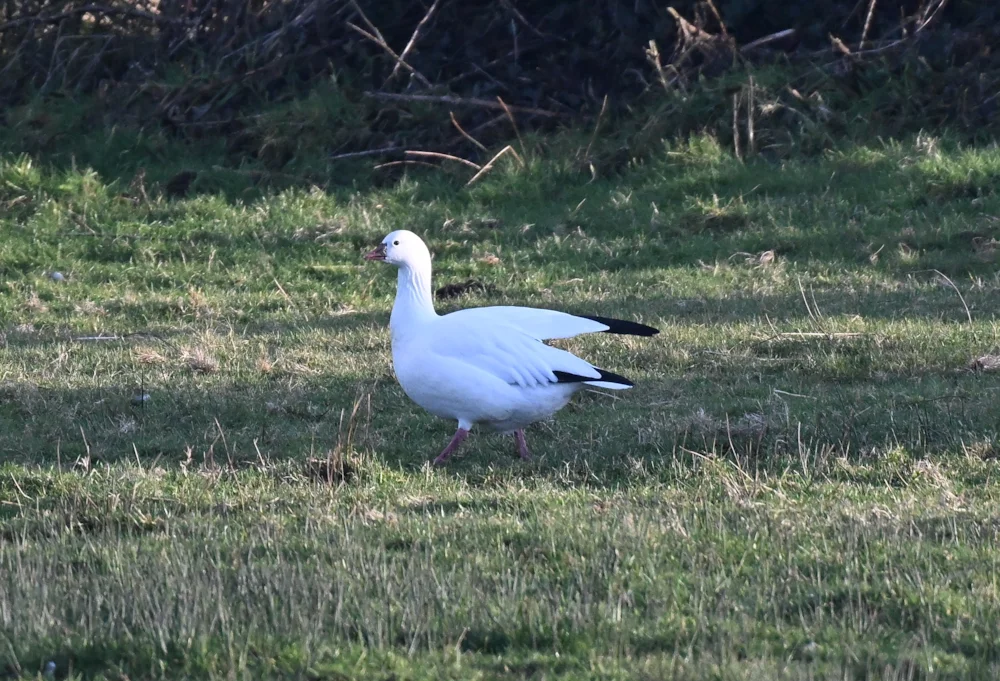
Ross's Goose, Lessonhall, Cumbria (Roger Ridley).
Tundra Bean Geese, Willington, Derbyshire (Alan Shaw).
A Richardson's Cackling Goose was found along the entrance track to Caerlaverock WWT, Dumfries and Galloway, on 16th. It is fortunate, really, that it wasn't elsewhere on the reserve: the site is closed to visitors until the spring. Elsewhere were a single Grey-bellied Brant, two Red-breasted Geese and three apiece of Snow Goose and Black Brant.
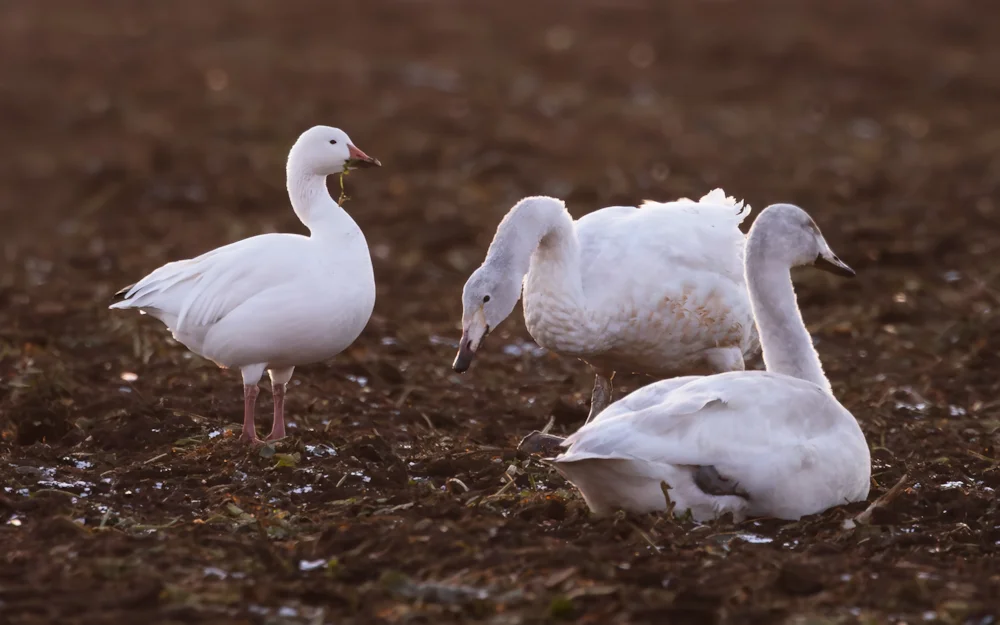
Snow Goose (left bird) with Whooper Swans, Deeping High Bank, Lincolnshire (Josh Jones).
At least four – and possibly as many as six – Zitting Cisticolas at Walberswick, Suffolk, was a welcome count after the national cold snap. Other lingering rarities consisted of Northern Long-tailed Tit in Shetland, Great-tailed Grackle in Hampshire, and both Eastern Black Redstart and Black-bellied Dipper in Norfolk. A red-letter week for Cheshire Shore Larks saw birds found at West Kirby and Mow Cop, the latter only a couple of hundred metres from the Staffordshire border.
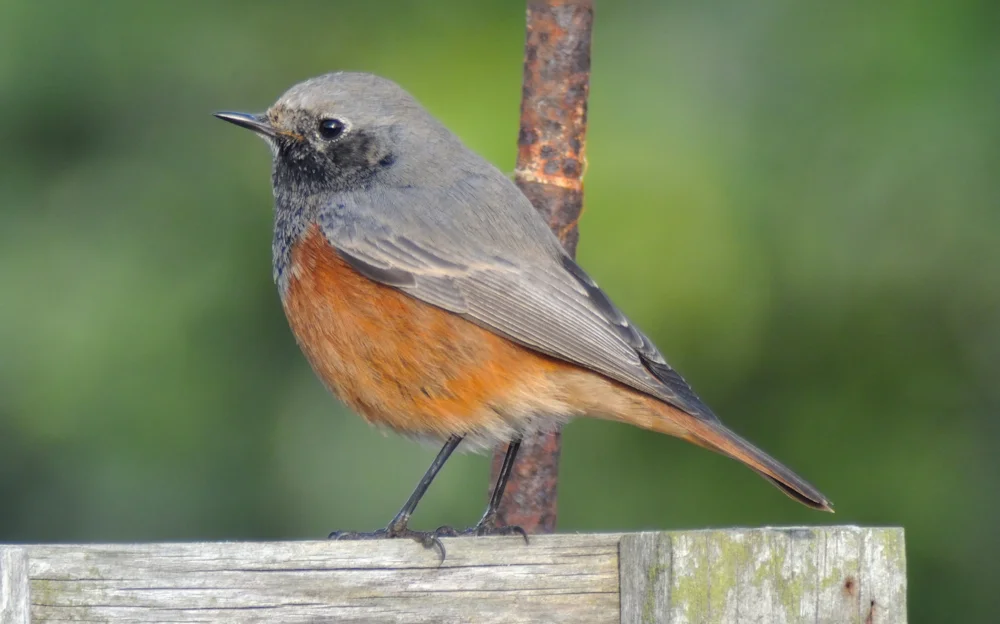
Eastern Black Redstart, Sheringham, Norfolk (Jonathan Theobald).
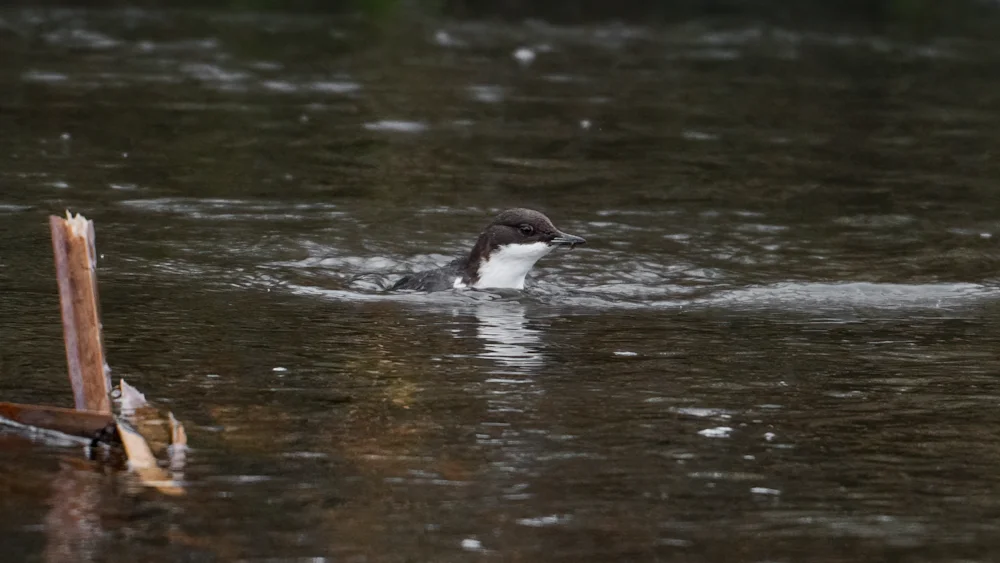
Black-bellied Dipper, Bintree Mill, Norfolk (Andy Thompson).
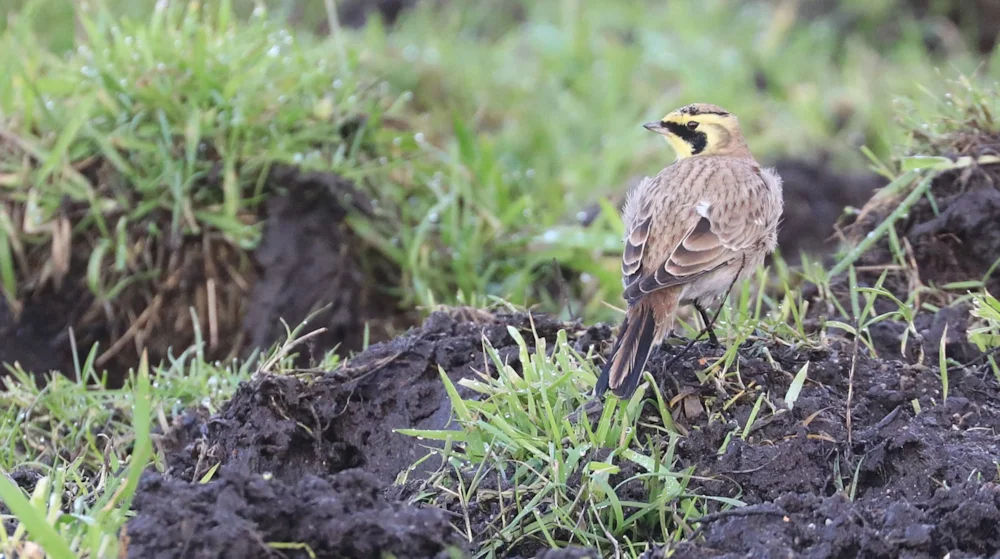
Shore Lark, Mow Cop, Cheshire (Jake Klavins).
The South-East's star item, a Red-flanked Bluetail at Crockham Hill, Kent, cut a popular figure throughout, and was a first for the London area to boot. Eurasian Penduline Tits trios were in each of Avon and Somerset; three Great Grey Shrikes included two again in the New Forest, Hampshire.
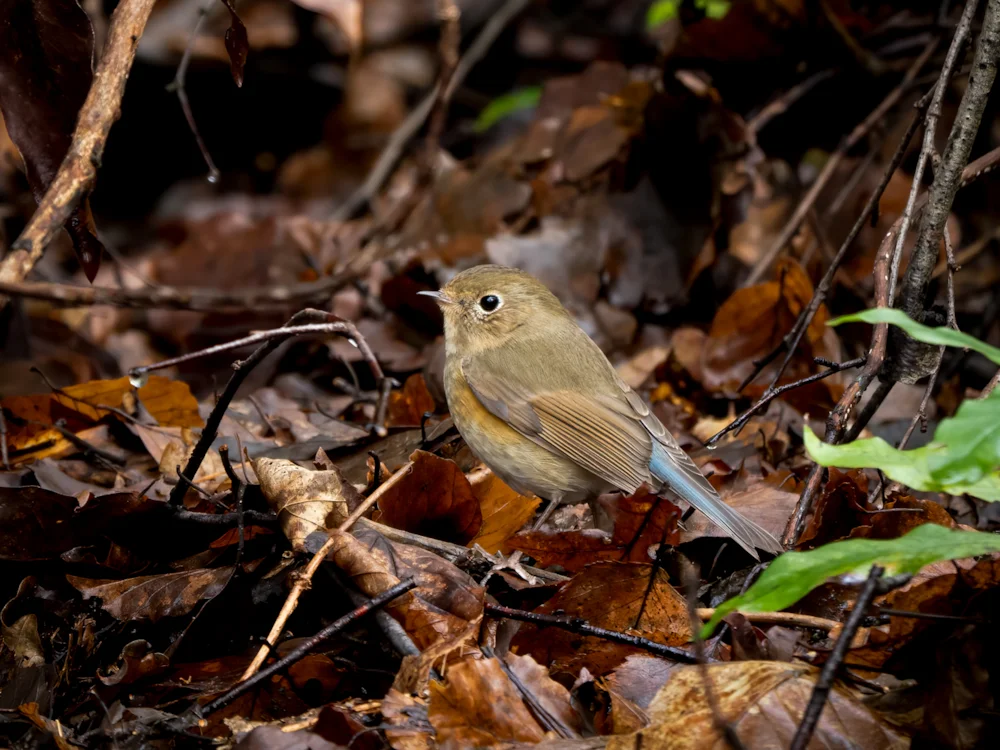
Red-flanked Bluetail, Crockham Hill, Kent (Terry Laws).
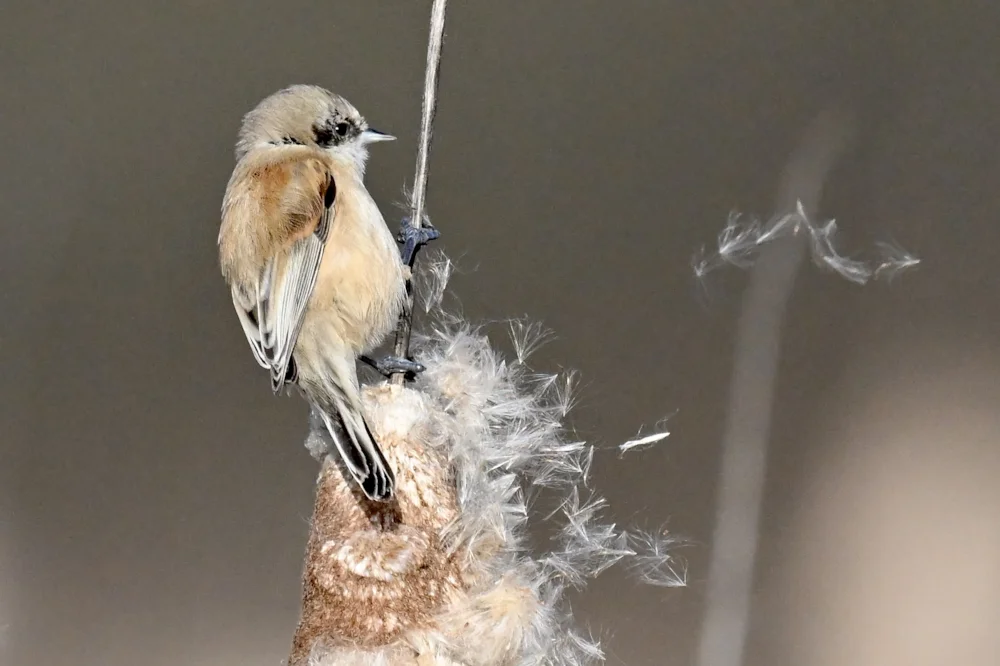
Eurasian Penduline Tit, Aust, Avon (Chris Snook).
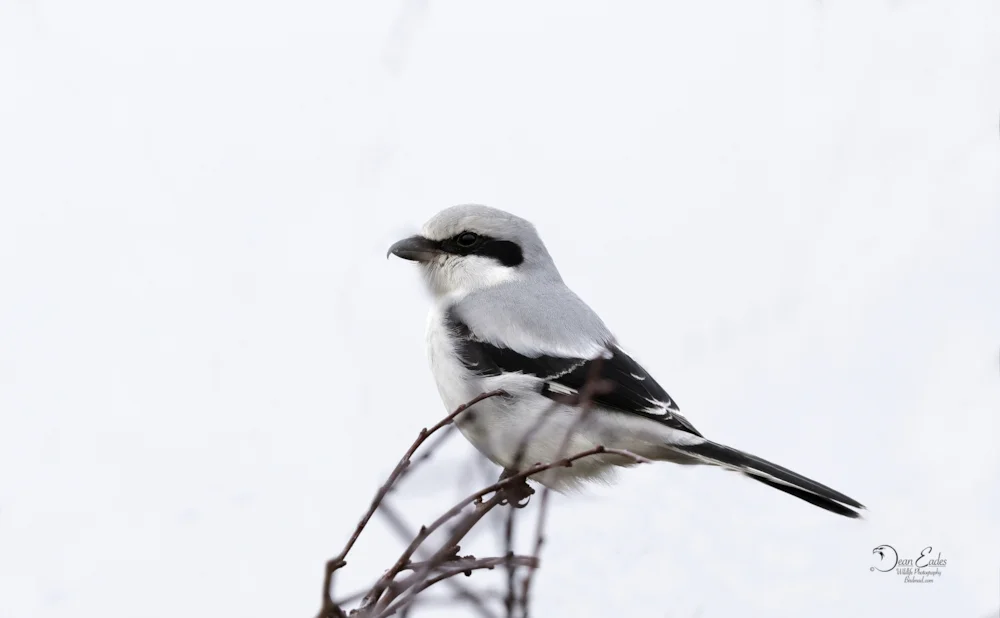
Great Grey Shrike, Fillingham, Lincolnshire (Dean Eades).
The Black-winged Kite remained popular in the general vicinity of Hickling Broad, Norfolk, and a female Pallid Harrier lingered along the Glamorgan-Carmarthen border.
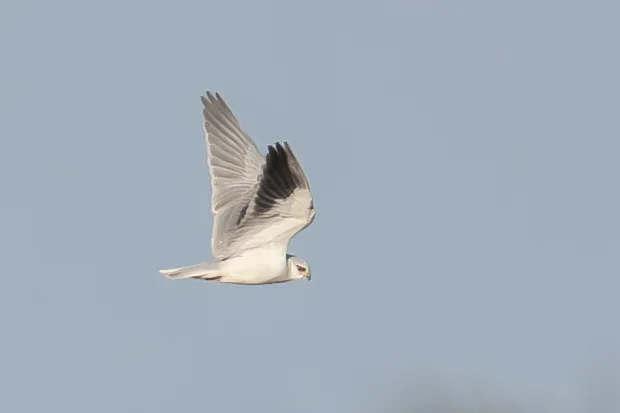
Black-winged Kite, Ludham Bridge, Norfolk (David Carr).
A lost first-winter Eurasian Dotterel was a midwinter treat for birders on Tiree, Argyll; elsewhere were Kentish Plover in Somerset, Long-billed Dowitcher in Angus, Spotted Sandpiper in Co Waterford, Semipalmated Sandpiper in Co Clare and three Lesser Yellowlegs.
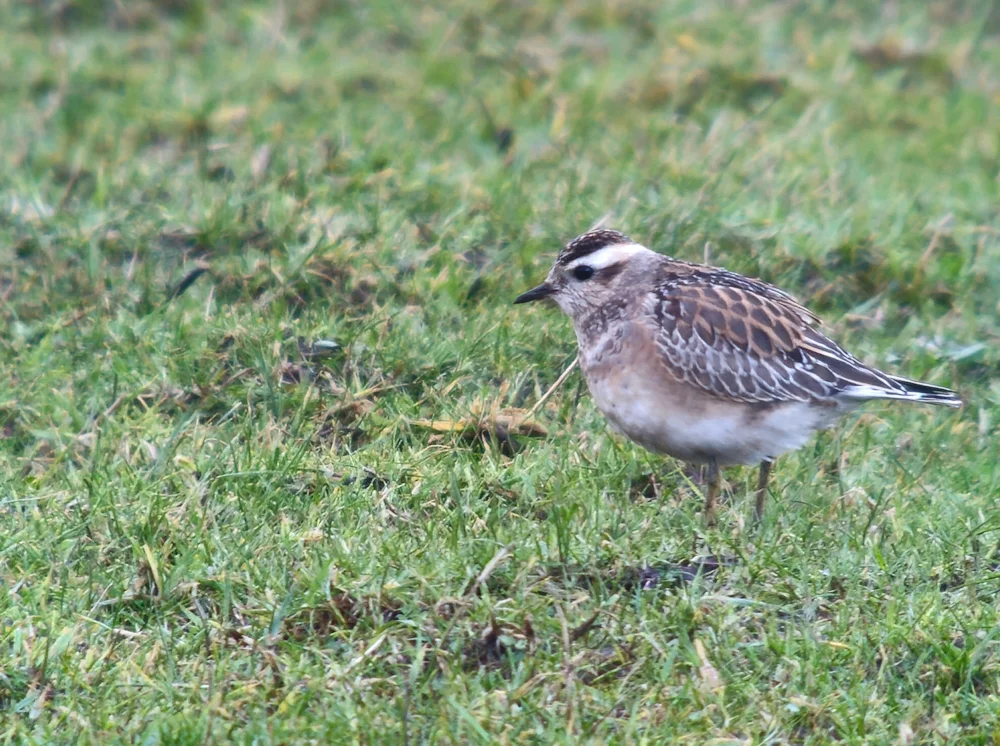
Eurasian Dotterel, Balinoe, Tiree, Argyll (Jim Dickson).
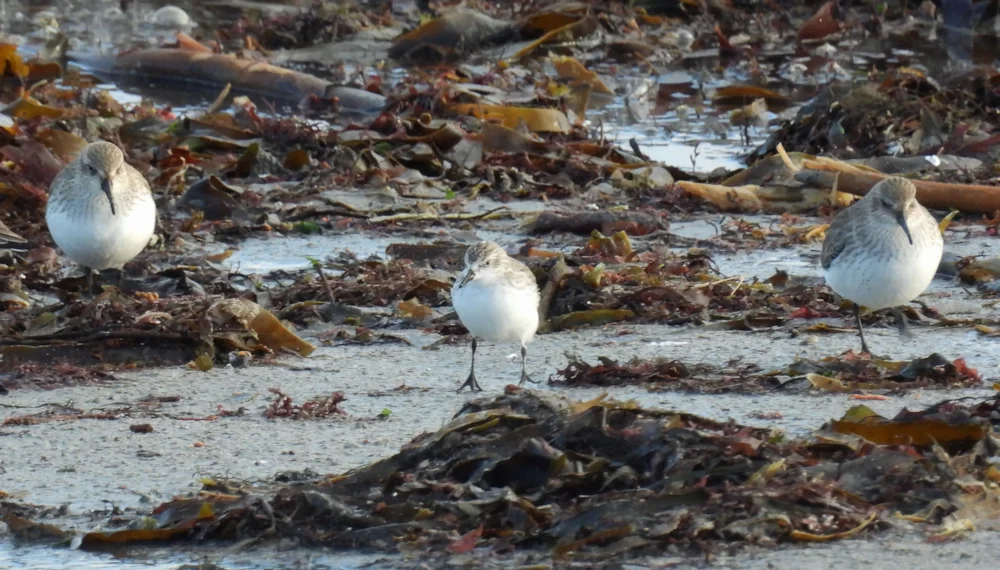
Semipalmated Sandpiper (centre) with Dunlin, Seafield, Clare (Barry Howell).
Western Palearctic
France's incredible winter spell continued with a Pacific Diver off Penvénan from 17th. This was yet another country first, albeit somewhat more overdue than both of December's new additions to the national list. One of those, Belted Kingfisher, continued throughout, with other national highlights comprising Forster's Tern, Oriental Turtle Dove and Eastern Imperial Eagle.
News from the Nordics consisted of Short-billed Gull again on Vágar, Faroe Islands, on 14th, Dusky Thrush, Stejneger's Scoter and American Black Duck in Denmark and Pacific Diver and American Herring Gull in Norway. Elsewhere in Europe, there were Baltimore Oriole in Iceland, Black-faced Bunting and Richardson's Cackling Goose in the Netherlands and Baikal Teal in Czechia.
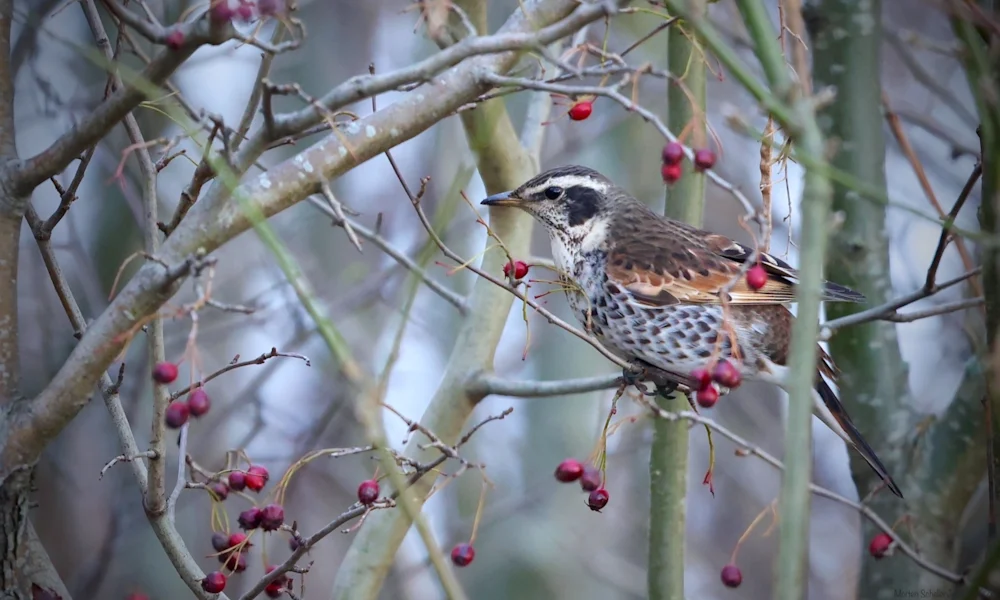
Dusky Thrush, Copenhagen, Denmark (Morten Scheller Jensen).
Highlight reel news from the Balearic Islands included an apparent Turkestan Short-toed Lark on Mallorca since 21 December, marking a Spanish first if confirmed. The Cape Gull remained in Cantabria and a returning Pied-billed Grebe was at Lagoa de Santo André, Portugal, with two Snowy Egrets, Wood Duck and Bufflehead in the Azores.
An Allen's Gallinule was on Gavdos, Greece, and Cyprus recorded its second Eastern Yellow Wagtail. Western Willet and Black-headed Heron both remained in Cape Verde.
- Get your 2026 year list off to a thrilling start and keep up to date with by-the-minute sightings updates of rarities and significant birds in your local area at www.birdguides.com/sightings or via the all-new BirdGuides app. New users are entitled to a one-month free trial.

