
Macaronesia is renowned for its unique wildlife, but a new study warns that the region has also suffered heavy biodiversity losses while revealing each extinct species, including 27 birds.
Research led by Jairo Patiño and José María Fernández-Palacios, published in PNAS Nexus, records every known terrestrial extinction in Macaronesia, a series of volcanic islands in the Atlantic Ocean comprising the Azores, Madeira, Selvagens, the Canary Islands and Cape Verde.
The team identified 220 species lost forever, representing 3.1% of Macaronesia's endemic fauna and flora. Land snails accounted for 111 extinctions, followed by 55 arthropods, 27 birds and 15 reptiles, including several giant tortoises.
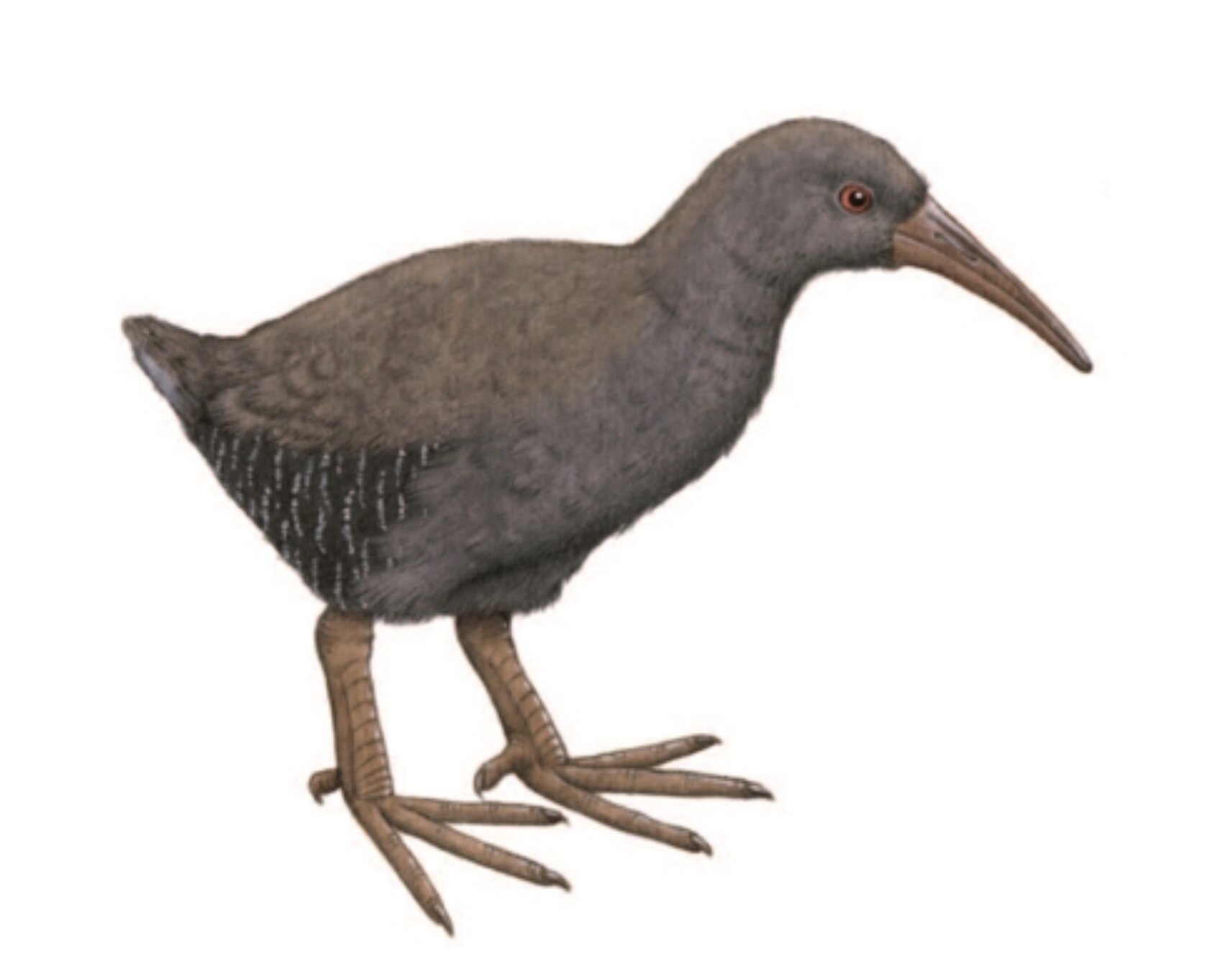
Artist's reconstruction of São Jorge Rail from São Jorge Island (Pau Oliver).
Extinct birds of Macaronesia
Half of all endemic bird species in these islands have vanished, the research showed. Notable lost birds include São Jorge Rail of the Azores, Madeiran Scops Owl, Tenerife's Slender-billed Greenfinch, and São Vicente Quail from Cape Verde
Human colonisation in the 15th century, particularly by Portuguese and Castilian settlers, marks a turning point in the history of Macaronesia's wildlife. Introduced animals, habitat destruction and hunting accelerated species loss, with the post-human extinction rate more than 12 times higher than before settlement. Earlier extinctions were likely linked to climate shifts or volcanic activity.
The authors stress that urgent conservation and habitat restoration are needed to stem further losses in these biodiversity hot-spots, whose isolation has fostered unique life – but also heightened vulnerability.
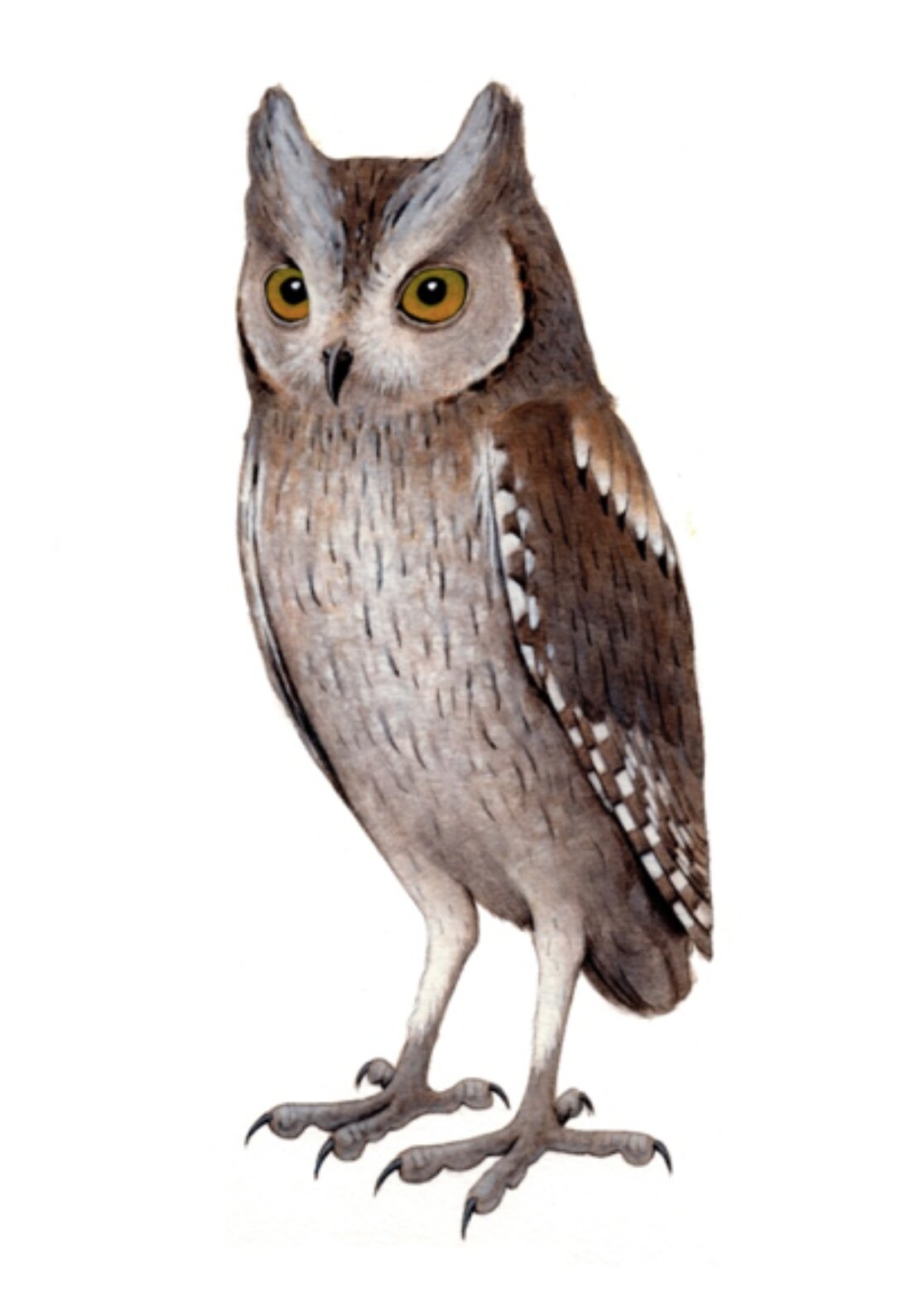
Artist's reconstruction of Madeiran Scops Owl (Pau Oliver).
Reference
Fernández-Palacios, J M, Patiño, J, et al. 2025. A synthesis of terrestrial species extinctions in the Macaronesian Islands and their correspondence with human occupancy. PNAS Nexus. DOI: doi.org/10.1093/pnasnexus/pgaf215
