
Climate change could substantially alter the distribution of breeding raptors in the UK, with some species potentially gaining suitable habitat while others face significant contraction, according to new research.
A study by Dr Connor Panter of the University of Nottingham and published in Frontiers in Ecology and Evolution modelled the future distribution of 16 species using European breeding-range records, five climate models and two emissions scenarios. Projections examined conditions in 2041-2060 and 2061-2080, with land cover held constant.
Under the higher-emissions scenario for 2061-2080, the area of climatically and environmentally suitable habitat for Peregrine Falcon is projected to increase by 73.5%, while Hen Harrier could gain 41%. However, both projections carry considerable uncertainty between models.
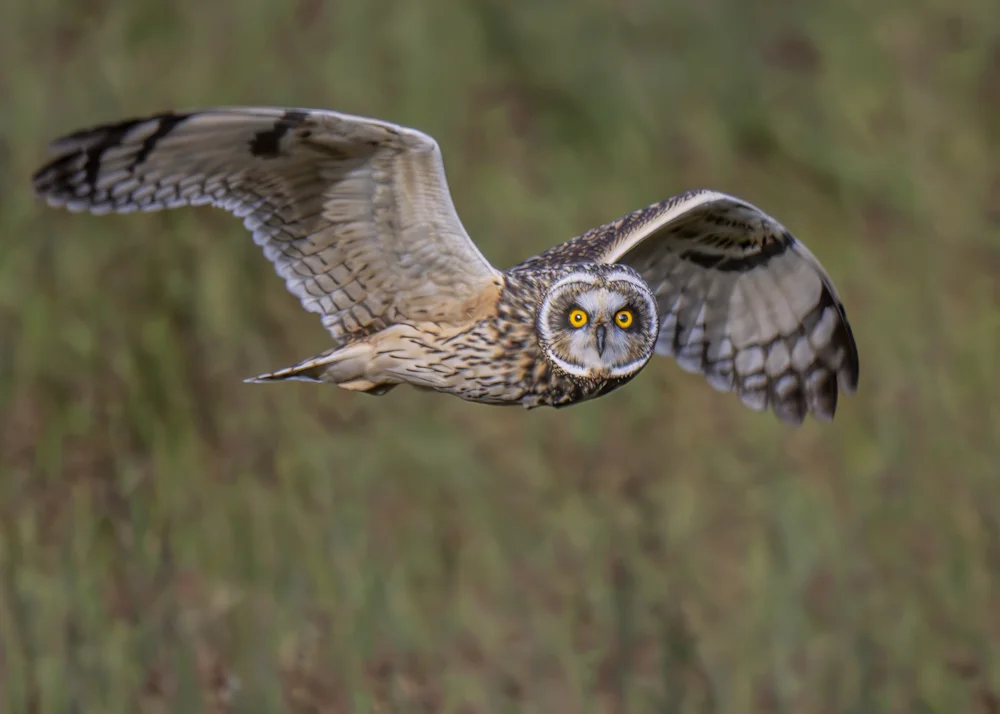
Climate change could substantially alter the distribution of breeding birds of prey in the UK (Morgan Stephenson).
Habitat reduction
By contrast, Short-eared Owl is projected to lose 67.6% of its currently suitable area overall, with 78.5% of its present footprint falling below the suitability threshold, partly offset by potential gains elsewhere. Red Kite and Merlin are also projected to experience contractions, while White-tailed Eagle could lose almost all suitable area within the UK.
The study emphasises that changes in habitat suitability do not equate directly to changes in population size or breeding success. The models identify areas where environmental conditions may become more or less favourable, rather than predicting future numbers of birds.
Model performance was relatively weak for many species, including Peregrine Falcon and Hen Harrier, demonstrating the uncertainty surrounding some projected gains.
The paper stresses that habitat connectivity and the preservation of existing habitats, alongside prey availability, will remain important in determining how raptors respond to changing climatic conditions.
Reference
Panter, C T. 2026. Contrasting projections of environmental suitability across a breeding raptor assemblage under climate change. Frontiers in Ecology and Evolution. DOI: 10.3389/fevo.2026.1922294


