
Birds are among the planet's most important and overlooked movers of nutrients, according to a major review examining how avian species influence ecosystems across the globe.
Researchers from Cornell University and five other institutions reviewed almost 400 scientific papers to assess the role birds play in transporting and recycling nutrients between land, freshwater and marine environments. Their findings suggest that birds can have profound effects on soil and water chemistry, plant growth and the wider productivity of ecosystems.
Flight gives birds a particular advantage as nutrient transporters, allowing them to cross barriers such as mountains and oceans while moving nutrients accumulated through their food and depositing them elsewhere through droppings and other biological processes.
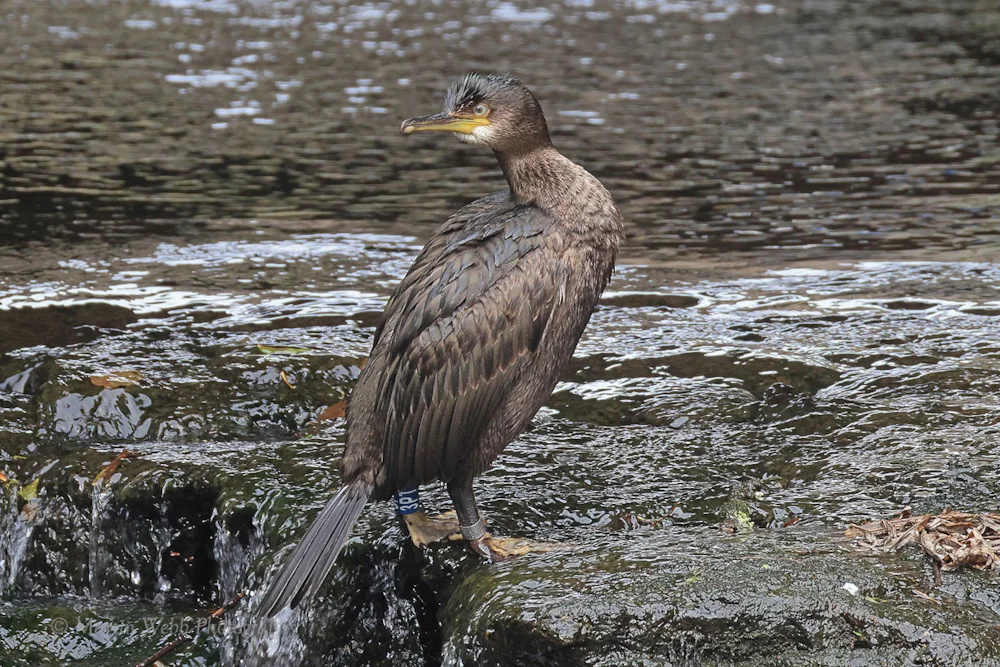
A study has shown that nutrients from birds wash into nearby coastal waters and act as nutrient lifelines (Martin Webb).
Nutrient transporters
Seabirds can be especially influential. Large colonies concentrate nutrients in relatively small areas, creating what researchers describe as 'islands of fertility'. Nutrients washed into coastal waters can also support coral reefs and fish communities, while studies have shown that the loss of seabird colonies can reduce productivity and resilience in nearby marine ecosystems.
The research also suggests that birds could play an increasingly important role in habitat restoration. One study found that attracting seabirds to seagrass restoration sites using perches increased phosphorus inputs and aided recovery.
Seasonal changes in diet can alter the nutrients released by birds, too. Songbirds studied at Lake Ontario produced waste richer in nitrogen during insect-eating spring migration and richer in carbon during autumn, when fruits and seeds formed a greater part of their diet.
With many migratory bird populations declining, the researchers warn that ecosystems could ultimately become less fertile and productive as these natural nutrient pathways are weakened
Reference
Duvall, E S, et al. Birds shape biogeochemistry and ecosystem function globally. Current Biology. DOI: 10.1016/j.cub.2026.06.061
